Rome’s boxing identity is not built around the same kind of professional fight-night machine found in Las Vegas, London, New York, or Mexico City. It is a capital-city boxing scene with an Olympic memory, a national-federation presence, and a steady club culture that ties the sport to Italian discipline, technique, and public sporting institutions. Boxing in Rome sits between two realities: the grandeur of a city that hosted one of the most important Olympic boxing tournaments ever staged, and the everyday work of gyms, coaches, and regional fighters trying to keep professional and amateur boxing visible in a crowded Italian sports market.
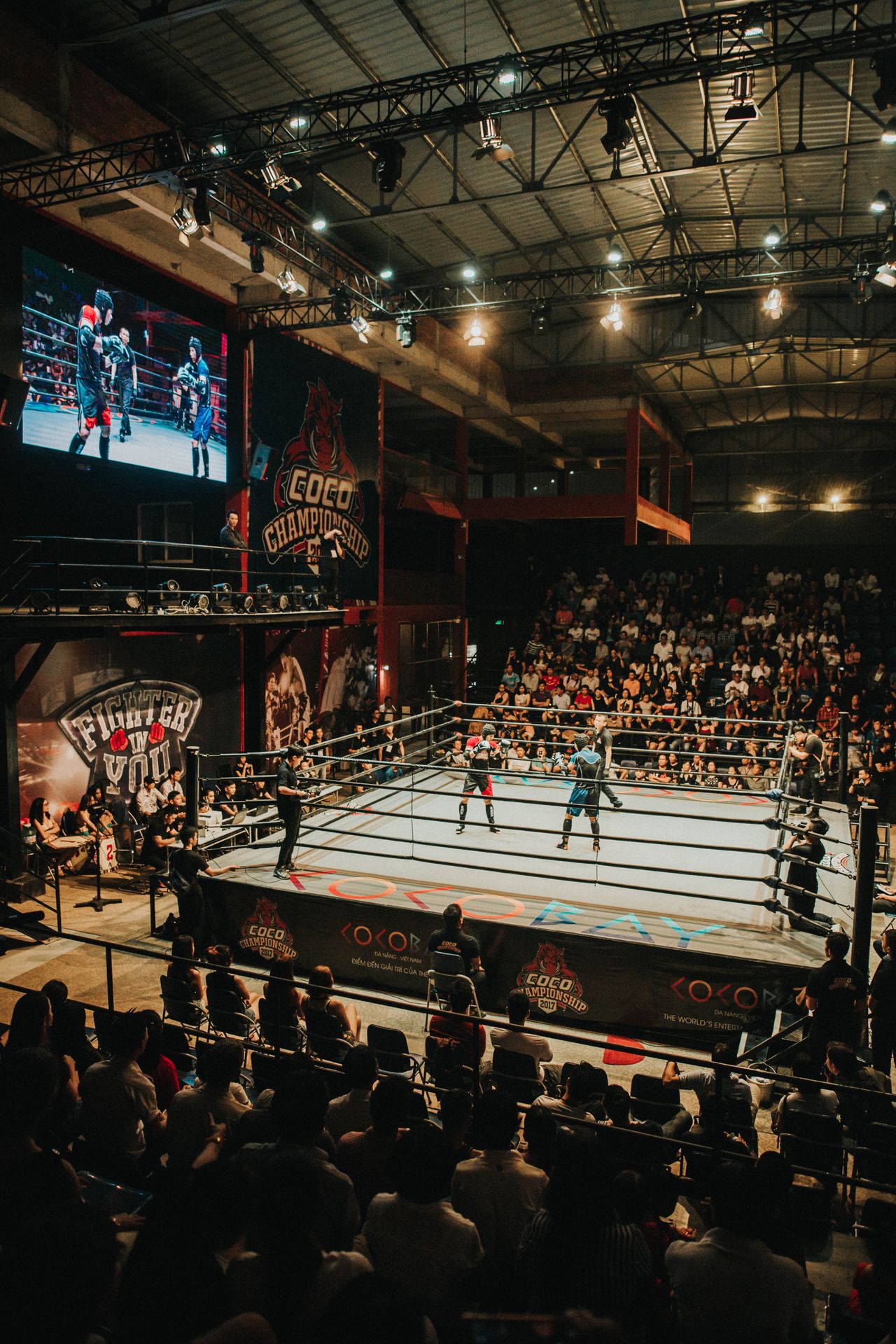
The city’s most important boxing landmark is the 1960 Summer Olympics. Boxing at those Games was held at the Palazzo dello Sport in Rome, where the tournament ran from August 25 to September 5, 1960. The event produced major international champions and remains part of boxing history because it included Cassius Clay, later Muhammad Ali, winning light heavyweight gold, and Nino Benvenuti winning welterweight gold for Italy.
That Olympic inheritance matters because Rome’s boxing culture is often more institutional than theatrical. The city is not defined by weekly casino shows or a single commercial promoter. It is better understood through amateur programs, Italian federation activity, technical coaching, and the connection between boxing and public sports facilities. Rome boxing has long had to share space with football, basketball, volleyball, combat sports, and the city’s broader fitness culture, but the ring still has a place in the Roman sports imagination.
Rome has also produced fighters who connect the city to the professional game. Giovanni De Carolis, born in Rome, became one of the most important Italian professional boxers of the modern era when he won the WBA super middleweight title in 2016. His career was not built on flash or easy matchmaking. It was a patient, difficult climb through domestic, European, and international opposition, which makes him a fitting representative of Roman boxing: technical, persistent, and more respected by serious fight followers than by casual sports audiences.
Emanuele Blandamura also belongs in the Roman boxing conversation. A Roman middleweight with a long professional career, he helped keep the city attached to European-level boxing and world-title ambition. Fighters like De Carolis and Blandamura matter because Rome does not produce boxing fame in waves. Its scene is more selective. When a Roman fighter reaches the larger stage, he usually carries the city through years of club work, regional cards, Italian title fights, and European opportunities rather than through a sudden media explosion.
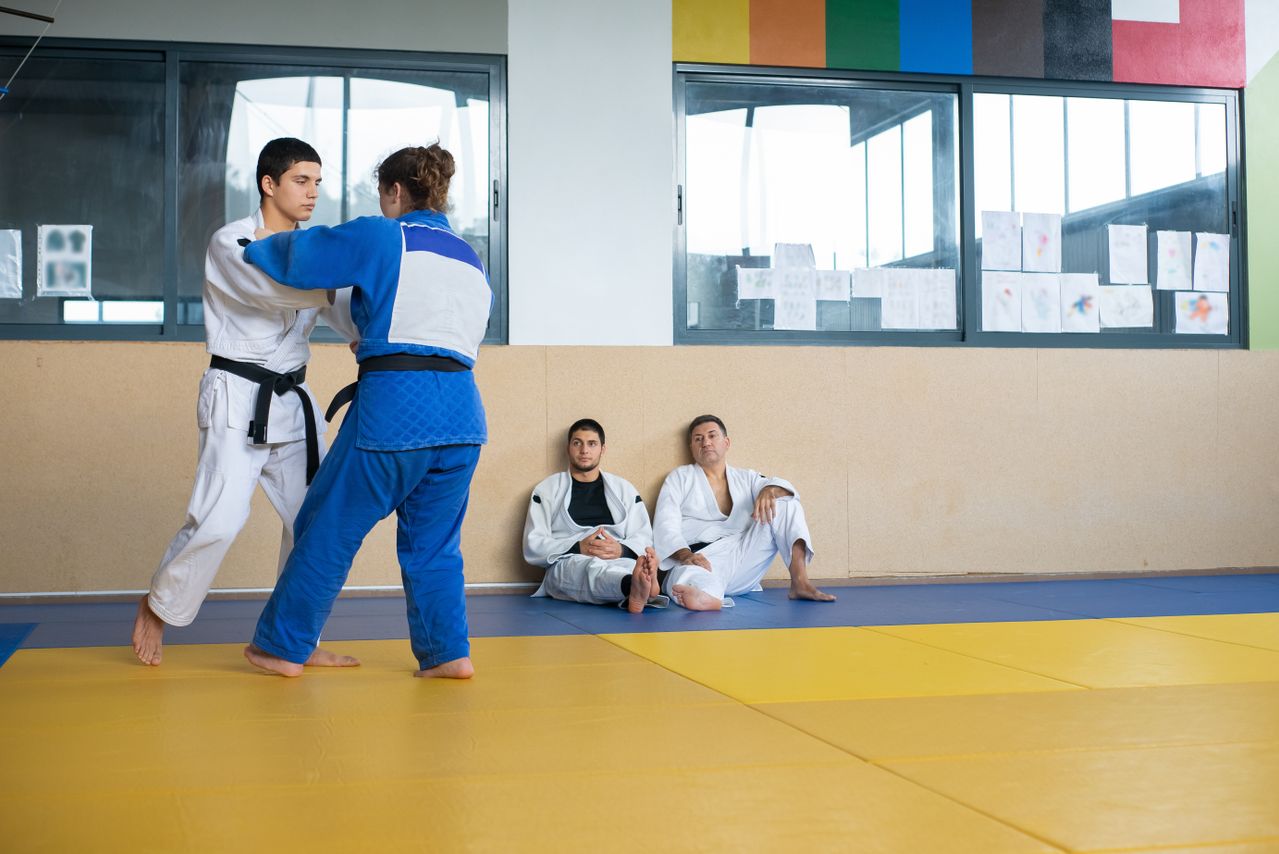
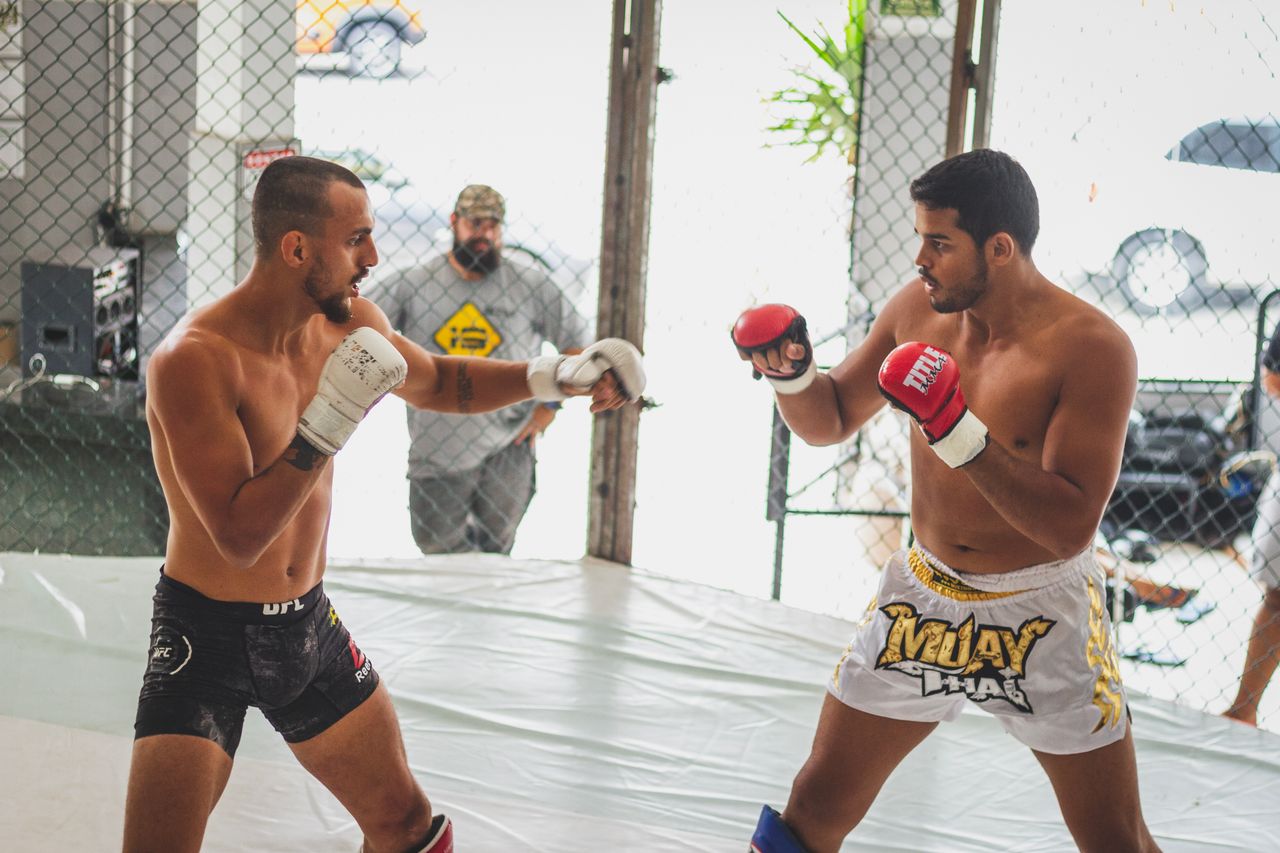
The gym culture in Rome reflects that same pattern. Boxing clubs are often mixed between competitive fighters, amateurs, youth athletes, and adults using boxing for fitness. That creates a wider boxing base, even when only a small number of athletes move toward serious competition. The best Roman gyms tend to value fundamentals: stance, guard, footwork, defensive responsibility, body punching, and controlled sparring. Italian boxing at its best has always had a technical strain, and Rome’s clubs help preserve that even when the professional scene is not especially large.
Rome’s challenge is visibility. The city has the facilities, the history, the athletes, and the national importance, but Italian boxing does not dominate the country’s sports conversation. A Roman boxer often needs regional titles, European belts, or international fights before the wider public pays attention. That makes amateur boxing and local clubs especially important. They are the sport’s foundation when television and major-event attention are inconsistent.
What makes boxing in Rome interesting is the gap between memory and daily reality. The city once staged a defining Olympic tournament. It has produced serious professionals. It remains connected to Italian boxing administration and amateur development. But the future of Roman boxing depends on whether clubs, promoters, and fighters can turn that inheritance into regular public attention. Rome is not a pure fight capital. It is a boxing city with Olympic echoes, a technical culture, and enough talent to matter whenever the right fighter breaks through.