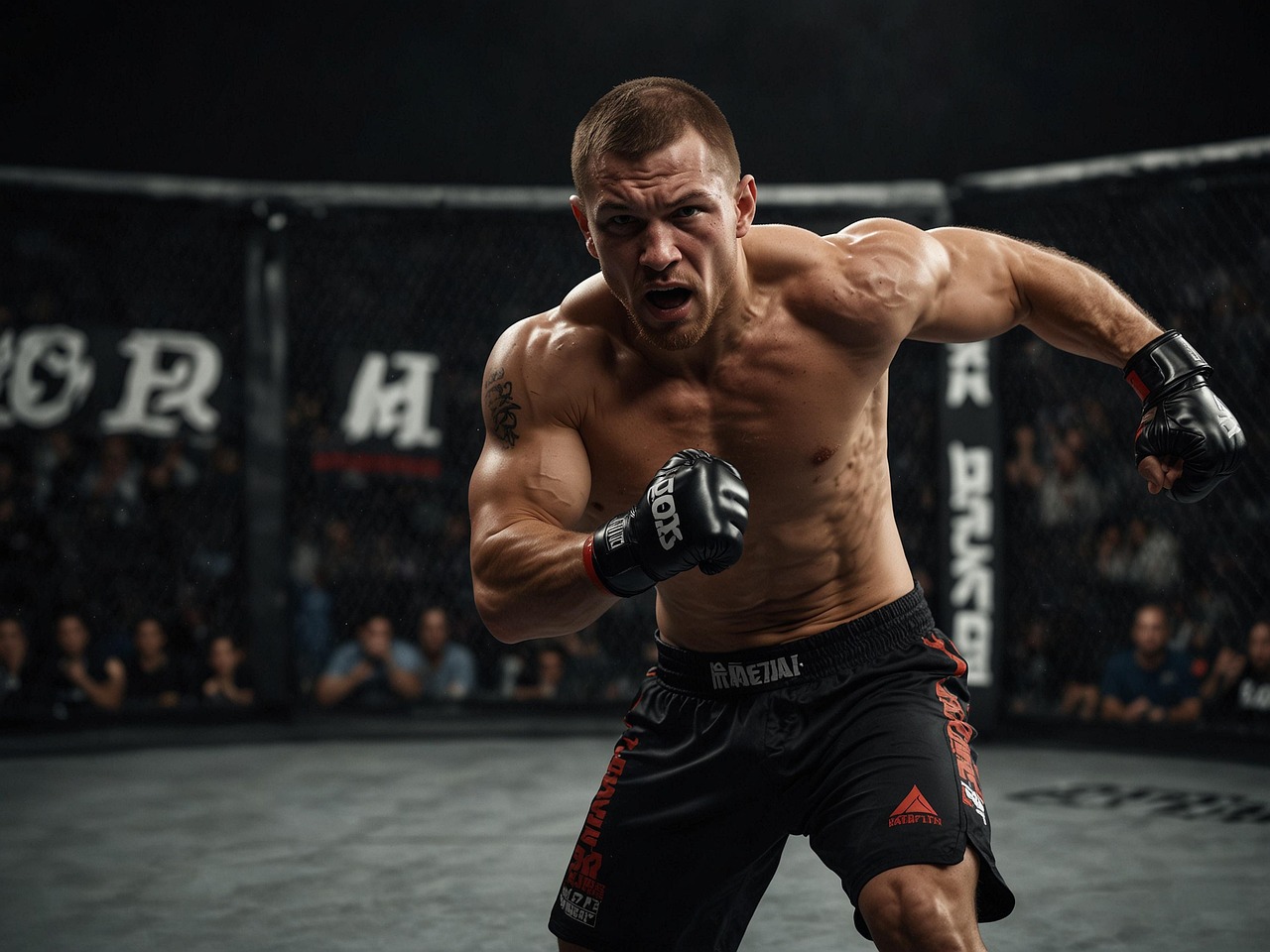
Istanbul’s MMA identity is still forming, but it has become one of the most important cities for understanding the sport’s growth in Turkey. The city is not yet a global MMA capital in the way Las Vegas, Rio de Janeiro, Dagestan’s fight centers, or Bangkok’s broader combat-sports ecosystem are. Its identity is more specific: Istanbul is a large combat-sports city where striking, grappling, fitness culture, regional promotion building, and Turkish fight identity are beginning to meet inside the cage.
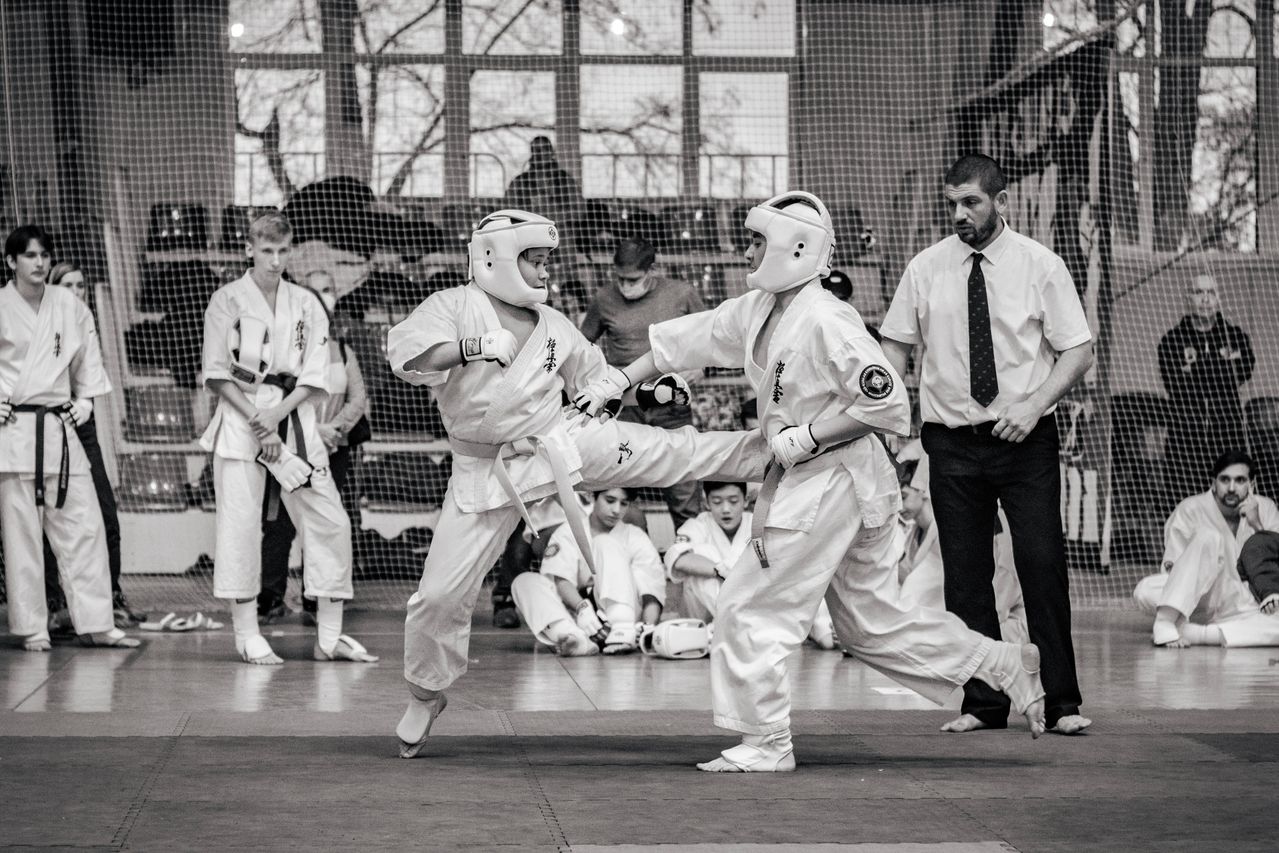
Turkey’s combat-sports background gives Istanbul a useful base. The country has strong traditions in wrestling, kickboxing, boxing, taekwondo, and other martial arts, but MMA has had to build its own public profile. That means Istanbul’s MMA growth is not simply a matter of opening cages and waiting for stars. It requires athletes and fans to connect older combat disciplines to a modern ruleset that demands transitions, cage wrestling, submission defense, and five-minute-round conditioning.
The most visible Turkish UFC name connected to the modern scene is İbo Aslan, a Turkish light heavyweight who fights out of Istanbul and competes in the UFC. Aslan’s profile matters because Turkey needs internationally visible fighters to make MMA feel less like an imported sport and more like a possible career path for local athletes. He is not the only symbol of Turkish combat sports, but for MMA specifically, a Turkish UFC fighter gives the scene a recognizable point of reference.
Istanbul’s gym culture is also expanding. Listings for Turkey show multiple MMA-oriented gyms in Istanbul, including Be Fight Club and Corvos BJJ & MMA, while 9 Stars Gym promotes a large combat-sports facility with a boxing ring, MMA cage, and functional training space. These details matter because MMA development depends on integrated facilities. A city with only boxing gyms or only jiu-jitsu rooms can produce specialists, but modern MMA requires regular cross-training under conditions that resemble the sport itself.
The promotion side is where Istanbul has recently become more interesting. Core Fighting Championship is headquartered in Istanbul, and Core FC 1 took place at Ülker Sports Arena in April 2025. Core FC 2 followed later in 2025 at Volkswagen Arena, giving the city a more visible event platform. These events are important not because they instantly make Turkey an MMA power, but because they create a domestic stage. Fighters need local shows where they can build records, fans need recognizable events, and gyms need a competitive reason to develop complete athletes.
Istanbul’s challenge is depth. A serious MMA scene needs more than a few professional cards and one or two high-profile athletes. It needs amateur development, coaching standards, refereeing experience, matchmaking, medical oversight, media coverage, and pathways into larger European, Middle Eastern, and international promotions. Istanbul has advantages because it is large, internationally connected, and already comfortable with combat sports. But MMA still has to earn space beside more established disciplines.
The outlook is promising, but it should be described carefully. Istanbul is not yet a proven MMA factory. It is a developing fight market with the population, facilities, event venues, and regional position to become much more important. If local promotions continue running credible shows and Turkish fighters keep reaching major international stages, Istanbul could become the natural center of Turkish MMA.