Boxing in Bolivia occupies a different place than it does in the major fight nations of Latin America. It is not a mass-market sporting institution on the scale of football, and it does not carry the same championship machinery that exists in Mexico, Puerto Rico, Argentina, or Venezuela. Its boxing identity is more modest, more local, and in many ways more difficult. Bolivian boxing has been built through individual ambition, small gyms, national tournaments, and fighters who often have to leave the country’s limited infrastructure behind if they want regular professional opportunities.
That makes Bolivia an interesting boxing country. It is not defined by abundance. It is defined by persistence. The sport has roots in urban centers such as La Paz, Santa Cruz, Cochabamba, and El Alto, where boxing gyms often serve both competitive fighters and young athletes looking for discipline, conditioning, and a route into organized sport. The country’s geography also gives Bolivian boxing a distinct character. Training at altitude, especially around La Paz and El Alto, naturally shapes endurance, conditioning, and toughness. That does not automatically create elite fighters, but it does produce a boxing environment where stamina and hardship are part of the culture.
Bolivia’s best-known male professional fighter is Franklin “El Matador Jr.” Mamani, a La Paz-born boxer who became one of the country’s most visible modern professionals. Mamani fought internationally and built a career that reached well beyond the domestic scene, giving Bolivia a recognizable name in the regional boxing conversation. His record and career activity reflect the reality of Bolivian professional boxing: fighters can emerge from the country, but the bigger tests usually come abroad or against opponents connected to stronger promotional markets.
Jennifer “The Bolivian Queen” Salinas gives Bolivia another important boxing figure, especially in women’s boxing. Born in the United States to a Bolivian father, Salinas fought under a Bolivian identity and became associated with the country’s boxing pride. Her career included a WBF super bantamweight title win in Santa Cruz, giving Bolivian boxing a rare women’s championship moment connected directly to the country’s public sporting stage.
The amateur side remains essential because Bolivia does not have the professional depth to support a large domestic fight economy. For many fighters, the realistic path begins with local clubs, departmental competitions, national tournaments, and regional events against South American opposition. Boxing in Bolivia is often part of a broader Olympic-sport ecosystem rather than a stand-alone commercial industry. Fighters need coaching, travel support, sparring depth, and access to international tournaments, and those are the areas where smaller boxing countries often struggle.
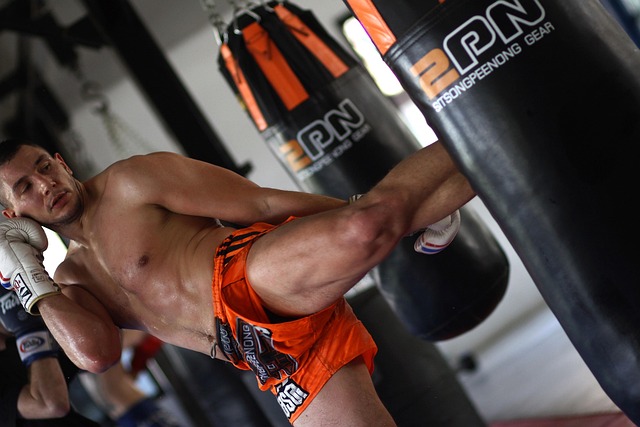
Bolivian boxing gyms tend to carry a grassroots character. They are places where competitive boxing overlaps with fitness, youth development, and neighborhood sport. The country has enough boxing culture to produce serious fighters, but not enough high-level infrastructure to make professional advancement simple. That creates a gap between talent and opportunity. A promising Bolivian boxer may need to build a record locally, seek regional fights, and eventually test himself or herself in Argentina, Peru, Chile, Brazil, Mexico, or the United States.
What keeps Bolivian boxing relevant is not volume. It is the combination of local toughness, national pride, and the visibility created by fighters like Mamani and Salinas. The sport’s future depends on whether more young boxers can access consistent amateur competition, better coaching education, stronger women’s programs, and promotional pathways beyond Bolivia’s borders. Bolivia is not yet a major boxing power, but it has enough history and enough fighting identity to remain part of the South American boxing map.