MMA in Afghanistan is best understood as a diaspora-driven fight scene with deep combat-sports roots and a modern identity shaped as much by migration as by domestic infrastructure. The country has produced fighters who carry Afghan identity into the UFC and other international promotions, but the pathway into elite MMA rarely runs cleanly through a traditional local gym system. More often, Afghan fighters develop through family relocation, refugee communities, European training rooms, South Asian regional circuits, and the broader combat-sports culture that has long existed around wrestling, boxing, taekwondo, and traditional grappling.
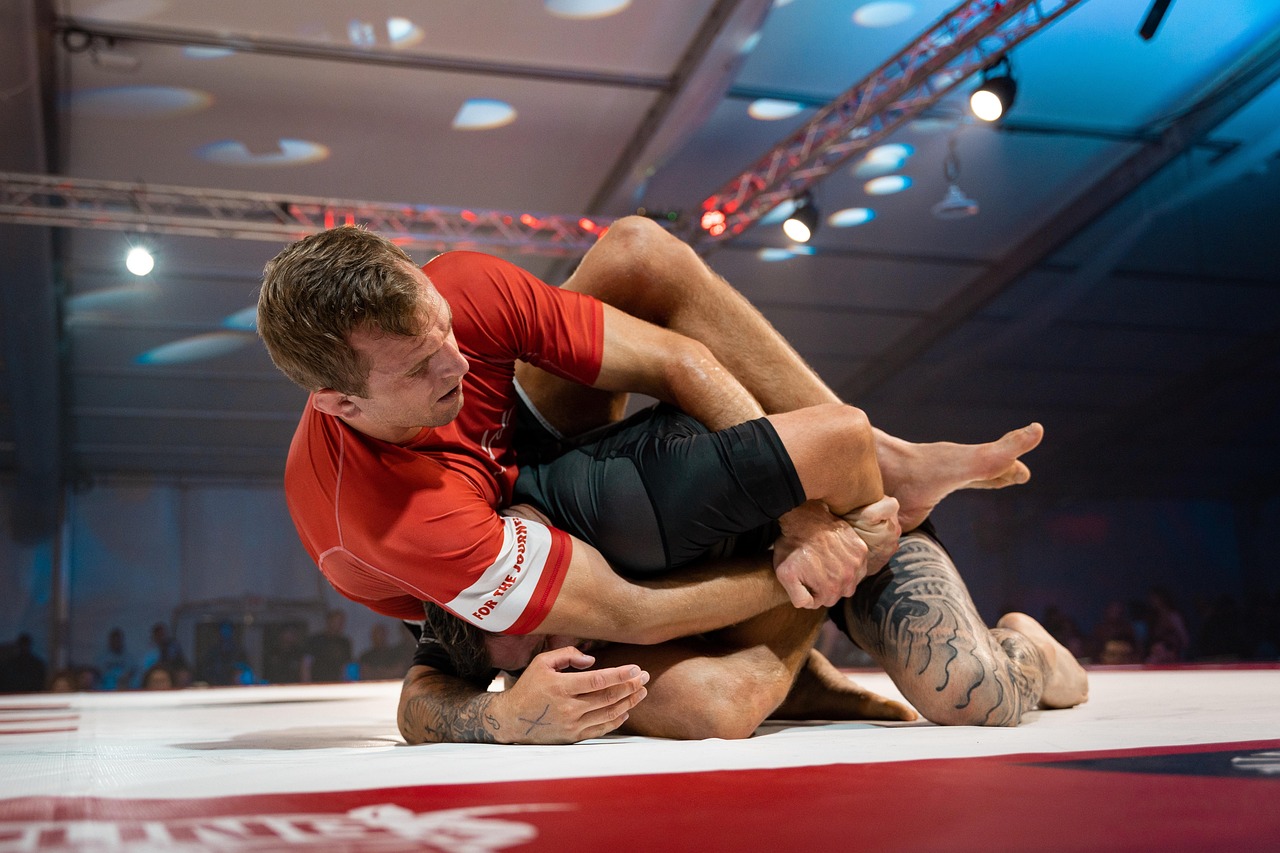
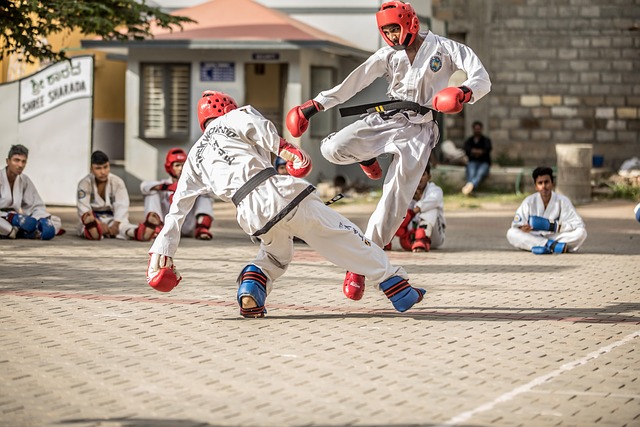
Afghanistan has always had a strong relationship with combat sports, even when modern MMA was not formally organized. Wrestling holds an important place in Afghan sporting culture, particularly through local styles of grappling and strength-based competition. Boxing and taekwondo have also had visibility, especially because Olympic-style combat sports can develop through schools, clubs, national federations, and military or police-affiliated programs. That matters for MMA because Afghanistan’s best fighters have often come from hybrid backgrounds: striking learned through kickboxing or boxing, wrestling instincts from traditional grappling, and modern MMA refinement added later in Europe, the United States, or regional training hubs.
The most visible Afghan MMA names have been fighters who built careers outside Afghanistan while keeping Afghan identity central to their story. Siyar Bahadurzada remains one of the most important figures in that history. Born in Kabul and later based in the Netherlands, he reached the UFC after developing in one of Europe’s strongest striking environments. His career mattered because it gave Afghan fans a fighter on the sport’s biggest stage at a time when MMA was still building international recognition in many smaller markets.
More recently, Javid Basharat and Farid Basharat have become central to the modern Afghan MMA conversation. Their success has given Afghanistan a fresh UFC-era identity, especially because both represent a more complete version of contemporary MMA: rangy striking, disciplined grappling, composed pacing, and the ability to compete in deep international divisions. Nasrat Haqparast, who is German-born with Afghan heritage, also belongs in the wider Afghan MMA discussion because he has been one of the most recognizable fighters associated with the Afghan diaspora. His UFC career gave Afghan fans another athlete to follow at the highest level, even though his development was rooted heavily in Germany and international training environments.
Inside Afghanistan itself, MMA development has faced the kinds of obstacles that limit many sports: instability, funding problems, uneven access to professional facilities, and difficulty building consistent amateur-to-professional pipelines. That does not mean the country lacks fighters. It means the local scene has often been fragmented, with athletes relying on smaller clubs, regional competition, and opportunities abroad. Fighters with Afghan backgrounds frequently sharpen their careers in places with more established infrastructure: the Netherlands, Germany, the United Kingdom, Sweden, the United States, Pakistan, and the Gulf.
That diaspora element is not a side note; it is the main engine of Afghan MMA. Afghan fighters often carry a strong national identity while being technically shaped by foreign gyms. This creates a distinct profile: Afghanistan has more international MMA visibility than its domestic scene alone would suggest. The flag appears in major promotions because athletes who left Afghanistan, or whose families left Afghanistan, found access to coaching, sparring, nutrition, management, and promotional opportunities elsewhere.
The next stage for Afghan MMA depends on whether the country can connect its raw combat-sports culture to a more reliable development system. Wrestling, boxing, and taekwondo can provide the base. The diaspora can provide visibility and role models. Regional circuits can provide fights. What Afghanistan still needs is deeper local infrastructure: safe gyms, trained coaches, amateur events, medical standards, and pathways that allow talented young fighters to progress without needing to leave the country immediately. Until then, Afghan MMA will remain a powerful but unusual scene: small at home, visible abroad, and defined by fighters who turn displacement, toughness, and cross-border development into a competitive identity.