Maine boxing has a small-state identity, but that does not make it insignificant. The state’s boxing culture is built around local pride, durable gyms, New England circuits, and the ability of a few standout fighters to carry the sport’s visibility far beyond what the population size might suggest. Maine is not a major professional boxing market, and it does not have the constant fight schedule of larger states. Its boxing story is more compact: a handful of serious fighters, committed trainers, regional competition, and communities that rally around athletes who break through.
The most important modern name in Maine boxing is Joey Gamache. Born in Lewiston, Gamache became a two-weight world champion and gave Maine one of its clearest claims to national boxing relevance. His success mattered because fighters from smaller states often have to overcome limited infrastructure, fewer high-level sparring options, and reduced media attention. Gamache showed that a Maine boxer could move from a local and regional base to world-level competition. For Maine boxing, he is not just a famous name. He is proof of possibility.
Lewiston holds a special place in the state’s boxing identity for another reason as well. In 1965, the city hosted the heavyweight championship rematch between Muhammad Ali and Sonny Liston, one of the most famous and controversial fights in boxing history. The image of Liston down on the canvas while Ali stands over him became one of the sport’s defining photographs. The fight’s presence in Lewiston gives Maine a strange but permanent place in heavyweight history. Maine may not be known as a fight capital, but one of boxing’s most iconic moments happened there.
That contrast defines the state well. Maine boxing is small in scale but not empty of significance. Its gyms and clubs tend to operate with a local, practical spirit. Fighters often train in modest rooms where coaching relationships matter deeply. Because the state is spread out and population centers are limited, boxing development can require travel, patience, and commitment from families as well as athletes. A young boxer in Maine may need to seek competition across New England, entering tournaments or cards in New Hampshire, Massachusetts, Vermont, Rhode Island, or Connecticut to get the rounds necessary for improvement.
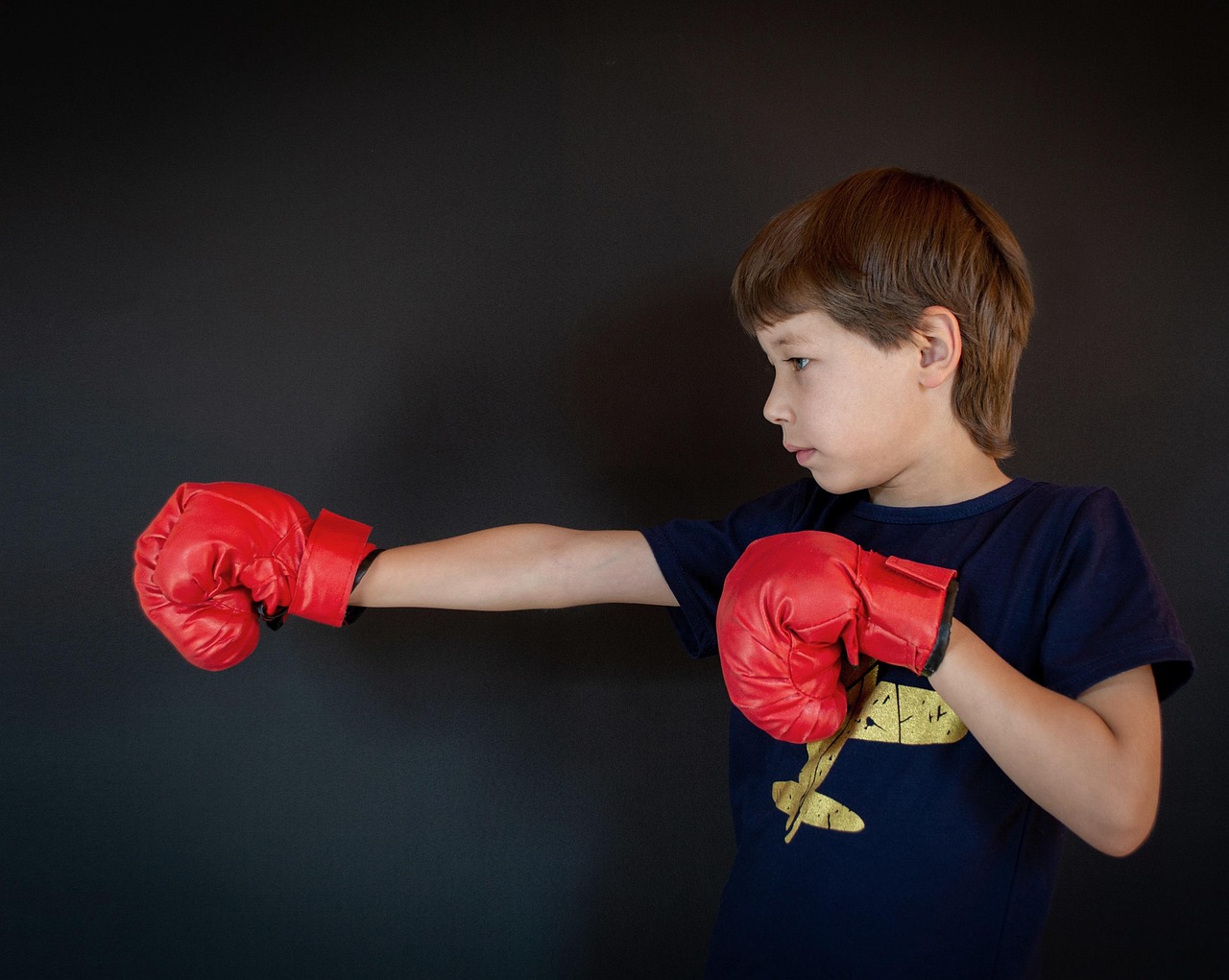
Amateur boxing is especially important in Maine because it keeps the sport alive between professional opportunities. Local gyms introduce young athletes to conditioning, footwork, defense, and ring discipline. The best amateur fighters usually have to think regionally early. They cannot rely only on local opposition. That can be difficult, but it can also create tough, adaptable boxers who are used to traveling and fighting outside comfortable surroundings.
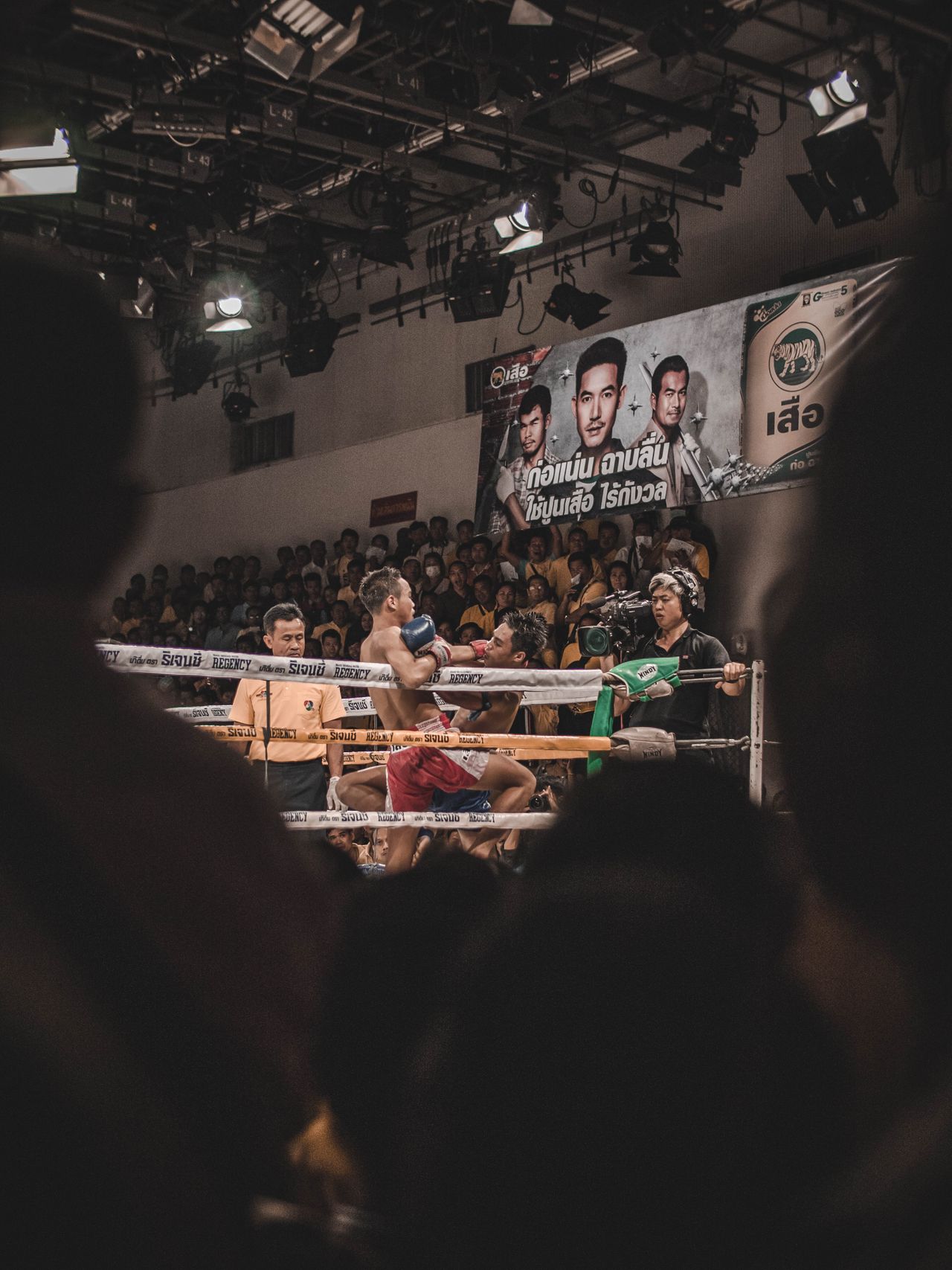
Professional boxing in Maine is occasional rather than constant. The state can support local shows, especially when there is a hometown fighter with a following, but it is not a regular stop for major national promotions. This means that Maine professionals often have to build careers elsewhere in New England or beyond. Boston, in particular, has historically been an important regional boxing hub, and Maine fighters can benefit from proximity to the broader New England boxing scene. The pathway is regional by necessity.
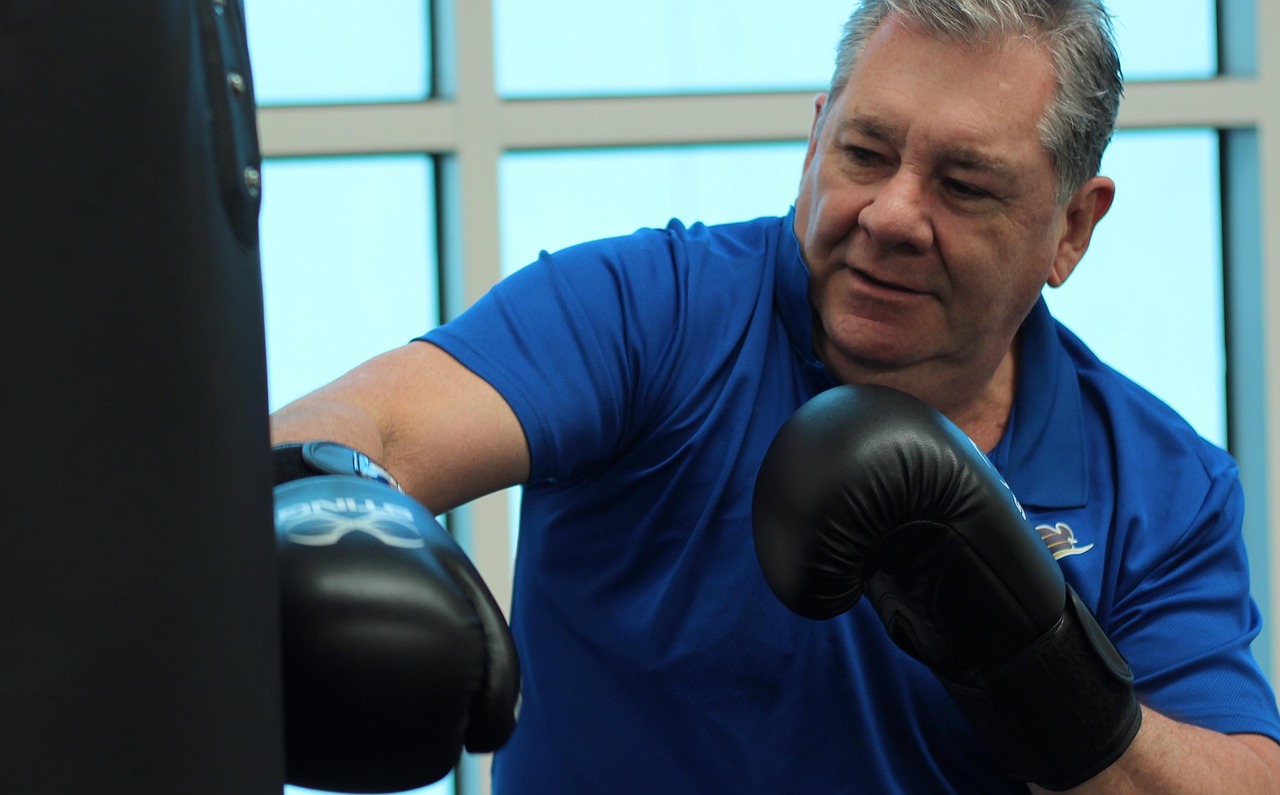
Maine’s boxing culture also has room to grow through fitness boxing and women’s participation. In smaller markets, gyms often survive by serving several groups at once: competitive amateurs, aspiring professionals, adults looking for conditioning, young athletes seeking confidence, and people drawn to boxing for discipline rather than competition. That mixed model can be healthy for a state like Maine because it keeps boxing visible even when the professional scene is quiet.
The state’s future in boxing will probably not be built on becoming a major fight destination. Maine’s role is more likely to remain that of a small but proud boxing state connected to the larger New England circuit. Its best assets are local loyalty, regional access, and the legacy of fighters and events that gave Maine a real place in boxing history. From Joey Gamache’s world titles to the Ali-Liston rematch in Lewiston, Maine boxing has always carried more weight than its size suggests.