Turkmenistan’s MMA identity is defined by one name more than by a broad national scene: Dovletdzhan Yagshimuradov. That does not mean the country lacks combat-sports culture, but in modern global MMA, Turkmenistan is best understood as a one-breakthrough-country profile, where a single elite light heavyweight has carried the flag into major international promotions and made the country visible to fans who might otherwise know little about its fight scene.
Yagshimuradov’s résumé gives Turkmenistan a rare place in high-level MMA. He has competed in Bellator and the Professional Fighters League, won the 2024 PFL light heavyweight championship, and previously held a regional light heavyweight title before reaching the major international stage. For a country without a large public MMA infrastructure, that is a major achievement. It means Turkmenistan’s MMA reputation is not based only on potential or regional participation. It has a fighter who proved himself against international competition in one of the sport’s most physically demanding divisions.
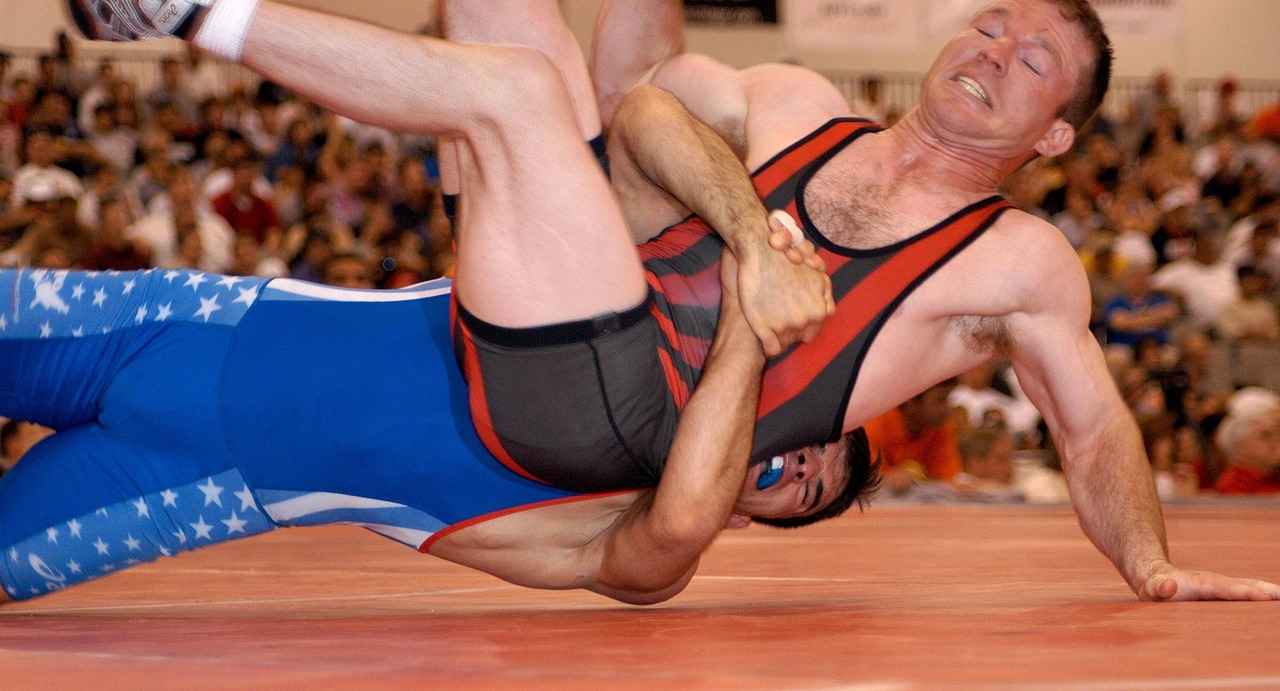
His style also says something about the combat-sports environment that can produce a Turkmen MMA athlete. Yagshimuradov has been described by PFL as a sambo specialist, and his career path through Europe, Asia, Bellator, and PFL reflects the broader post-Soviet and Central Asian route into MMA. In that part of the world, fighters often come from grappling-heavy combat systems: sambo, judo, freestyle wrestling, Greco-Roman wrestling, and military or police-affiliated sports clubs. Turkmenistan does not have the same internationally famous MMA pipeline as Dagestan, Kazakhstan, or Uzbekistan, but it shares some of the same regional ingredients: physical grappling sports, hard conditioning, and a competitive culture that can translate well to cage fighting when athletes find the right teams and promotions.
The limitation is scale. Turkmenistan is not yet known as a country with a deep roster of internationally active MMA fighters. It has not produced a long list of UFC contenders, major women’s MMA stars, or globally recognized MMA teams. Instead, its profile is narrow but meaningful. Yagshimuradov shows what is possible when a Turkmen fighter can access the right international structure. He fought across regional MMA, entered Bellator, moved into PFL, and became a world-level champion in a format that rewards consistency across a season.
That career path is important for younger fighters because it gives them a map. A Turkmen athlete does not necessarily need the UFC as the first step. The more realistic route may run through Central Asian events, Russian-language promotions, European regional cards, PFL-style international tournaments, or training migration to established teams. Yagshimuradov himself has been listed as fighting out of Ashgabat while also being associated with American Top Team, showing the split identity common to fighters from smaller MMA markets: national roots at home, elite preparation abroad.
Turkmenistan’s MMA scene is therefore less about local visibility and more about export potential. The country’s athletes may have access to combat-sports foundations, but the professional MMA ecosystem requires more than toughness. It requires coaching depth in cage wrestling, submission grappling, striking defense, weight cutting, matchmaking, sports medicine, and international management. Those are the systems that turn a good martial artist into a durable professional fighter.
For now, Turkmenistan’s MMA story is not a broad movement. It is a proof-of-concept. Yagshimuradov has shown that a Turkmen fighter can not only reach major promotions but win at championship level. The next stage would be depth: more amateurs, more regional professionals, more gyms that teach MMA as a complete sport, and more athletes able to use Central Asia’s combat-sports base as a launching point. Until then, Turkmenistan remains a small MMA country with one very real global achievement.