Louisville is not a major MMA capital, and that is the wrong way to measure it. Its fight identity starts with combat sports more broadly, especially boxing, and then moves into a smaller but active regional MMA scene. This is a city where the cage has to share cultural space with older fight traditions, local gyms, amateur development, and the practical reality that serious MMA athletes may need to compete across Kentucky, Indiana, Ohio, Tennessee, and beyond to build a record.
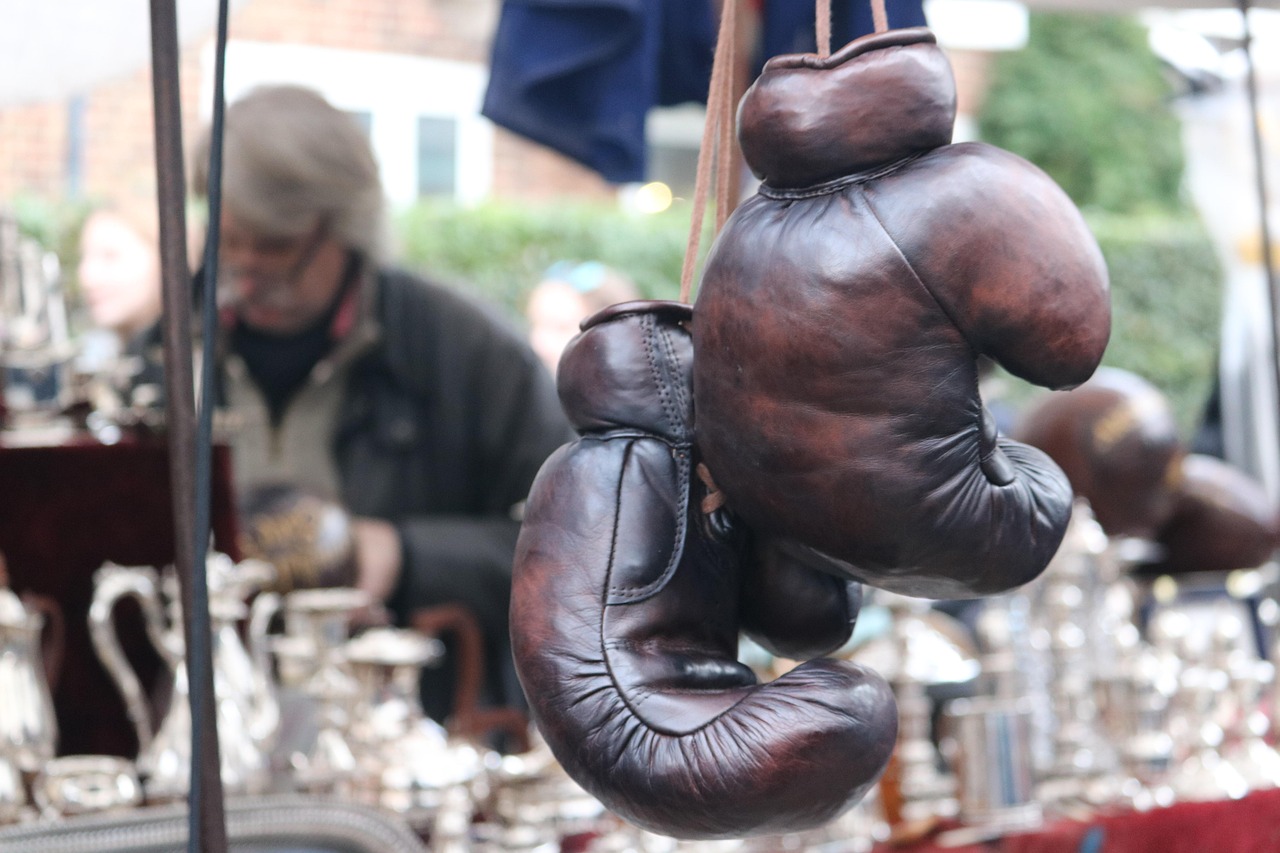
The first thing to understand about Louisville is that it is a fight town before it is an MMA town. Muhammad Ali’s legacy gives the city a permanent association with boxing, and that matters even when discussing MMA because it shapes how combat sports are understood locally. MMA did not arrive in a vacuum. It entered a city that already had a language for toughness, training, footwork, striking, and prizefighting. But unlike boxing, MMA has not yet produced a Louisville figure with the same national or global symbolic weight. That creates a more modest, developmental identity.
The current MMA scene is best understood through gyms, local shows, and regional competition rather than a long list of famous UFC names. Future of Fighting has been one of the visible local promotional brands, staging events in Louisville, including “The 502” and shows at venues such as 4th Street Live and St. Paul Gymnasium. Tapology’s Kentucky regional listings show a broader state-level event environment, with HRMMA and Future of Fighting among the promotions appearing in Kentucky’s recent MMA activity.
Training in Louisville is similarly practical. The city has rooms that serve different pieces of the MMA game rather than one internationally dominant super-gym. Real Fighters Gym emphasizes Dutch kickboxing and Muay Thai, which gives local athletes access to striking systems that translate well into MMA. Kentucky gym listings also show Louisville representation through martial-arts and MMA-related training options, with the broader state scene spread across cities such as Louisville, Lexington, Maysville, and others. That kind of geography matters. A Louisville fighter may train locally, fight regionally, and travel frequently to find the right opponents or camps.
The athlete-development question is the heart of Louisville MMA. In a major hub, a prospect may find elite sparring, management, high-level wrestling, professional striking coaches, and major promotion visibility all in one market. In Louisville, development is more incremental. Fighters often need a base discipline first: wrestling, boxing, jiu-jitsu, Muay Thai, or kickboxing. From there, they add the missing pieces and use amateur or regional cards to test whether the full MMA blend is coming together.
That does not make the scene unimportant. In fact, these smaller markets are where much of American MMA actually lives. Not every fighter begins at an elite gym in Las Vegas, South Florida, Southern California, or New Jersey. Many begin in places like Louisville, where the local fight night is the first real test, the gym community is smaller, and the pathway requires more travel and persistence. The scene’s value is not that it dominates the national conversation. Its value is that it gives Kentucky fighters a place to start.
Louisville’s MMA future depends on whether local promotions, gyms, and regional matchmaking can keep creating credible opportunities. The city has the combat-sports memory, the population base, and the regional access to support a durable scene. What it does not yet have is a defining MMA identity on the national level. For now, Louisville is best understood as a developing regional fight market: boxing-haunted, locally active, and still waiting for the kind of breakthrough fighter or gym that would put its MMA story into sharper focus.