Westchester County boxing has a different identity from the fight culture of New York City, even though the two are closely connected. The county sits just north of the Bronx and belongs to the same wider metropolitan boxing ecosystem, but its scene is less about major arenas and more about local gyms, amateur shows, private coaching, youth development, and fighters moving between suburban training rooms and the deeper New York fight circuit. Westchester is not usually treated as a stand-alone boxing capital. Its importance comes from proximity, access, and the quieter work of keeping boxing available outside the five boroughs.
The county’s geography matters. Southern Westchester cities such as Yonkers, Mount Vernon, New Rochelle, and White Plains are close enough to New York City that fighters, trainers, and serious amateurs can cross back and forth between local gyms and city-level competition. Northern and central Westchester, by contrast, give the sport a more suburban training profile, where boxing often overlaps with fitness, discipline, youth programs, and private instruction. That split gives Westchester boxing a mixed character: part competitive amateur pathway, part neighborhood gym culture, part personal-training market for people who want authentic boxing instruction without necessarily becoming fighters.
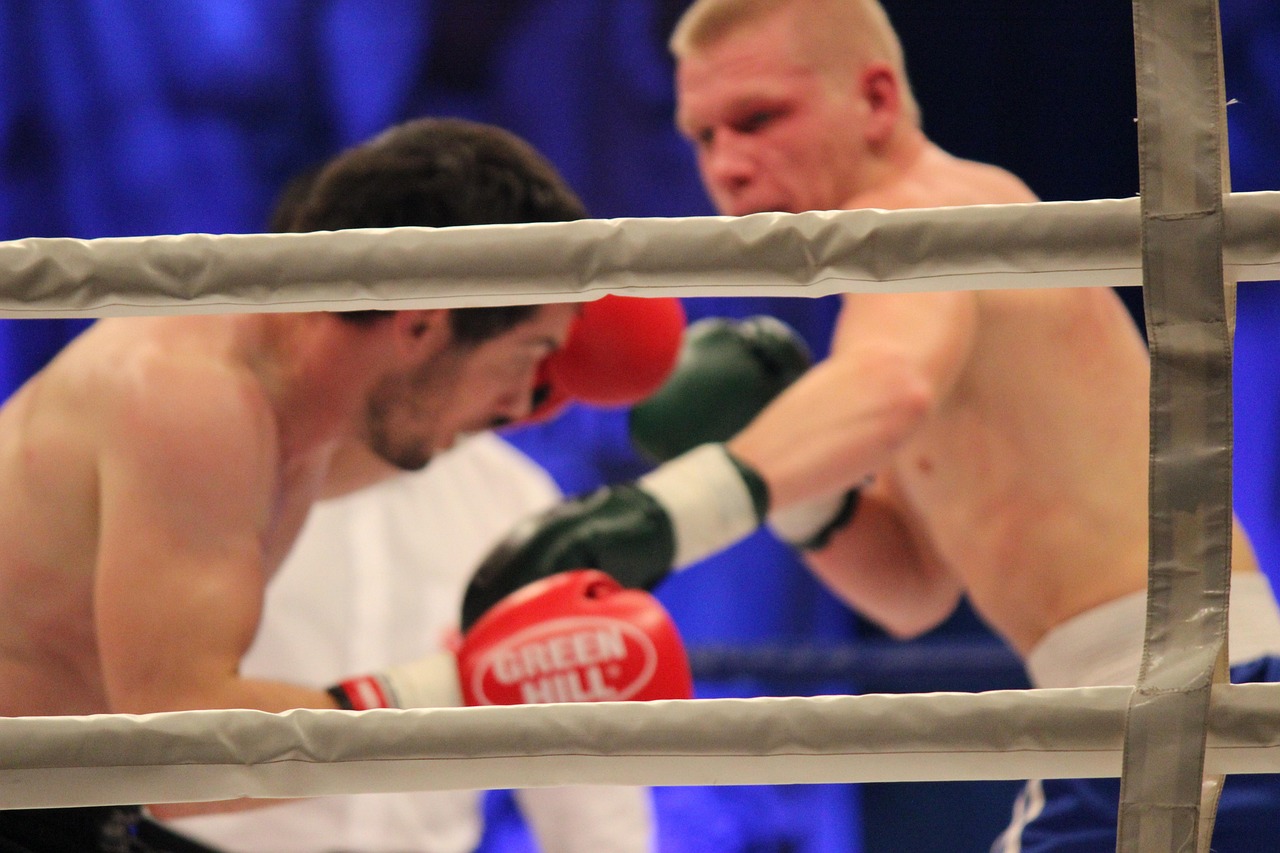
Mount Vernon has been one of the county’s more visible boxing pockets. The Westchester County Boxing Championship, held outdoors at Hartley Park in Mount Vernon in 2019, was described as the tenth annual edition of the event, with 13 amateur bouts sanctioned by USA Boxing Metro and hosted by Mount Vernon’s Main Street Boxing Gym. That kind of event says a lot about the county’s boxing identity. Westchester does not need to stage pay-per-view fights to matter locally. Its boxing scene is sustained by community shows, amateur matchmaking, and gyms that give young fighters a place to test themselves in front of family, coaches, and local supporters.
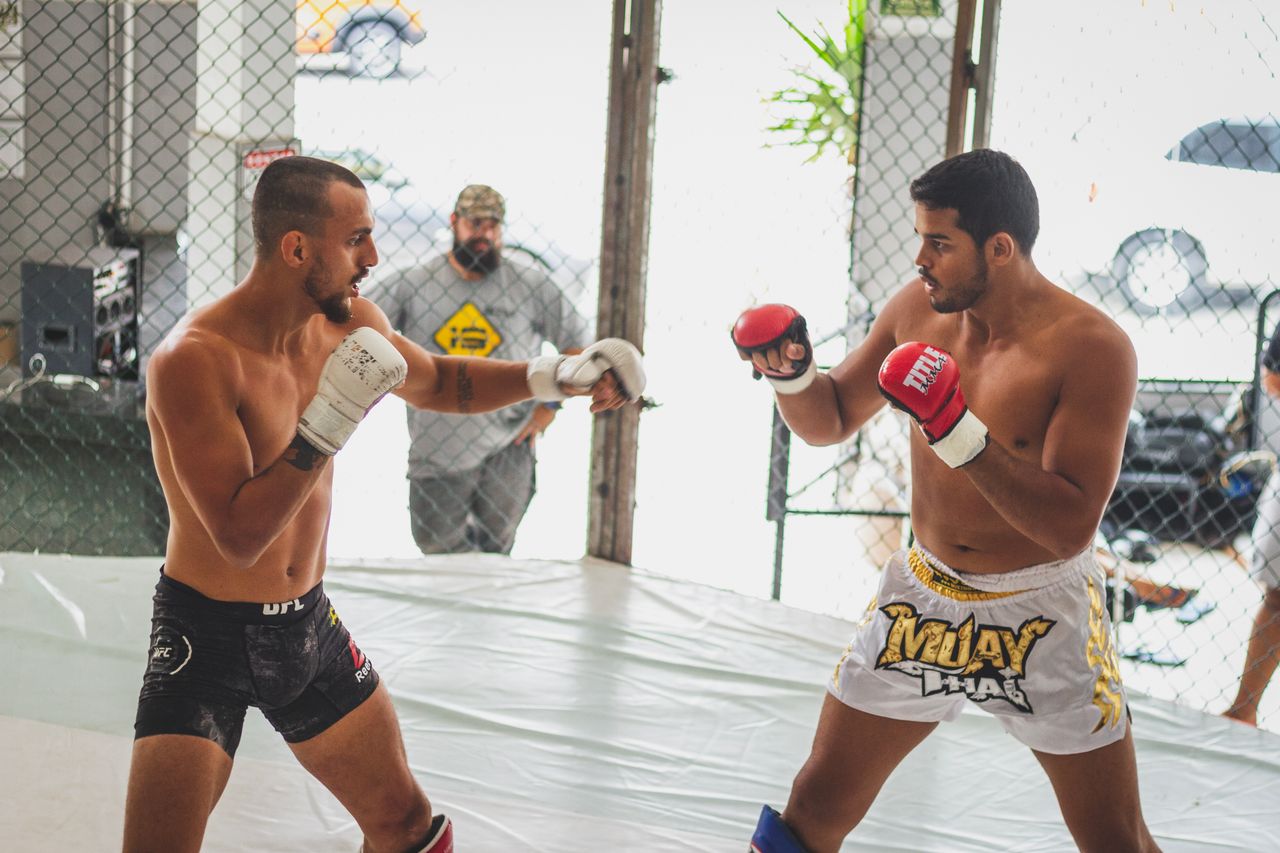
The county also has a practical gym network rather than one single famous boxing institution. Westchester Boxing Club presents itself as a private, appointment-based training gym with one-on-one sessions and clients starting from age six, which reflects one side of the county’s boxing culture: technical instruction, personal coaching, and accessibility for beginners. Lone Wolf Boxing in Hawthorne emphasizes skill growth and optional sparring, pointing to another part of the scene, where recreational boxers and developing fighters can share the same room without everyone being pushed toward competition. Diaz Boxing Club in Port Chester describes itself as a community-minded boxing gym that has served Westchester since opening in 2020.
That training culture gives Westchester boxing a useful role. It can introduce beginners to the sport, keep older athletes active, and prepare serious amateurs for tougher competition across the metro area. For a young boxer in Westchester, the local scene can be a first step rather than the whole journey. The county offers access to trainers, sparring, amateur events, and private coaching, while New York City provides a larger competitive ladder, deeper opponent pools, and more frequent fight cards.
Westchester’s boxing future is likely to remain connected to that hybrid identity. It is not trying to replace Manhattan, Brooklyn, or the Bronx as a boxing center. Its strength is more local and developmental. The county’s best boxing value comes from giving fighters and fitness boxers a serious training environment close to home, while still keeping them connected to the broader New York boxing world. In that sense, Westchester boxing is not a headline scene. It is a feeder scene, a training scene, and a community scene, built around gyms that keep the sport alive between the city and the suburbs.