Belgium is not one of Europe’s loudest MMA countries, but it has a more serious fight-sports foundation than its modest global profile suggests. The Belgian MMA scene sits between several stronger combat-sports ecosystems: France to the south and west, the Netherlands to the north, Germany to the east, and the wider European circuit that runs through England, Poland, the Balkans, Scandinavia, and Central Europe. That geography matters. Belgian fighters rarely develop inside an isolated national system. They grow through cross-border sparring, regional promotions, kickboxing rooms, Brazilian jiu-jitsu academies, judo clubs, boxing gyms, and the practical reality of being located in one of Europe’s most connected sporting corridors.
The result is an MMA identity that is compact, multilingual, and often hybrid. Belgium does not have the depth of Russia’s wrestling pipeline, Brazil’s jiu-jitsu history, the Netherlands’ elite kickboxing brand, or the United Kingdom’s large domestic MMA market. Its scene is smaller and less centralized. Yet Belgium has produced fighters who reached major international stages, developed gyms with credible training environments, and maintained a grassroots base that feeds into broader European MMA. Belgian MMA is best understood as a regional development market: not a global powerhouse, but not an afterthought either.
Belgium’s strongest MMA identity comes from its ability to blend neighboring influences. Dutch-style kickboxing, French-speaking European combat sports, judo traditions, boxing culture, and modern grappling have all shaped the way MMA developed in the country. Fighters from Brussels, Antwerp, Liège, Ghent, Charleroi, and smaller cities often need to look beyond one local circuit. They may fight in Belgium, train across the border, compete in regional European promotions, or move into larger organizations once they are ready. That has created a scene where adaptability is more important than volume.
A Fight Culture Shaped by Belgium’s Place in Europe
Belgium’s combat-sports environment existed long before MMA became a recognizable sport. Boxing, judo, karate, kickboxing, and taekwondo all had places in Belgian gyms and sports clubs. Like many European countries, Belgium did not initially develop MMA as a mainstream sporting institution. It emerged later through the combination of imported Brazilian jiu-jitsu, submission grappling, kickboxing, and the influence of international MMA broadcasts.
The country’s geography gave it a particular advantage. Belgian fighters and coaches have relatively easy access to Dutch kickboxing, French combat-sports networks, German regional promotions, and the wider European MMA circuit. That makes Belgium different from a country where fighters must travel long distances to find serious sparring. A Belgian athlete can be locally based but still connected to a much larger fight ecosystem.
The Dutch influence is especially important. The Netherlands has one of the world’s most respected kickboxing cultures, known for pressure, combination punching, low kicks, body shots, and high-volume striking. Belgium’s proximity to that system has helped shape the striking side of its MMA scene. Even when Belgian fighters do not come directly from Dutch gyms, the regional standard for stand-up fighting is heavily affected by the Dutch model.
The French-speaking side of Belgium adds another layer. Wallonia and Brussels connect naturally with French combat-sports culture, including boxing, judo, kickboxing, and later MMA. France’s own MMA legalization and growth have also mattered for Belgian athletes because French events, gyms, media, and promotions now offer more opportunities than they did when MMA was more restricted there. Belgium benefits from being positioned between markets that have grown at different speeds.
The Flemish side of the country has its own connections to the Netherlands and northern Europe. Fighters in Flanders can look toward Dutch gyms, Belgian regional shows, and international European opportunities. This makes Belgium’s MMA map less like a single national pyramid and more like a set of overlapping corridors. Brussels connects multiple worlds. Antwerp and Flanders lean naturally toward Dutch and northern European circuits. Wallonia connects more directly with French-speaking Europe.
That structure can make Belgium difficult to summarize, but it also makes the scene interesting. The country’s MMA culture is not built around one national style. It is built around access, movement, and adaptation.
From Kickboxing Rooms and Judo Mats to MMA Cages
Belgium’s MMA development has depended heavily on athletes crossing over from older combat sports. That is common across Europe, but in Belgium it is especially important because the country does not have the same scale of dedicated MMA infrastructure as the sport’s largest markets. Many fighters begin in a single discipline before adding the rest of the MMA skill set.
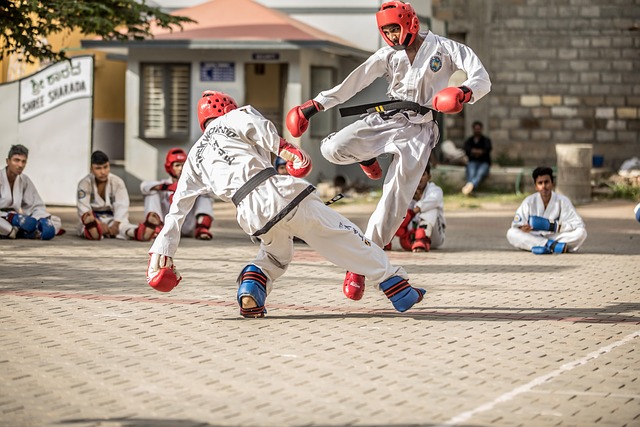
Kickboxing has been one of the most natural routes. Belgium’s closeness to the Netherlands makes striking culture a major part of the regional fight identity. Fighters who grow up around kickboxing tend to bring strong stance awareness, combination work, leg kicks, and comfort in exchanges. In MMA, that base must be adjusted for takedown defense, clinch work, cage positioning, and smaller gloves, but it gives Belgian athletes a credible starting point.
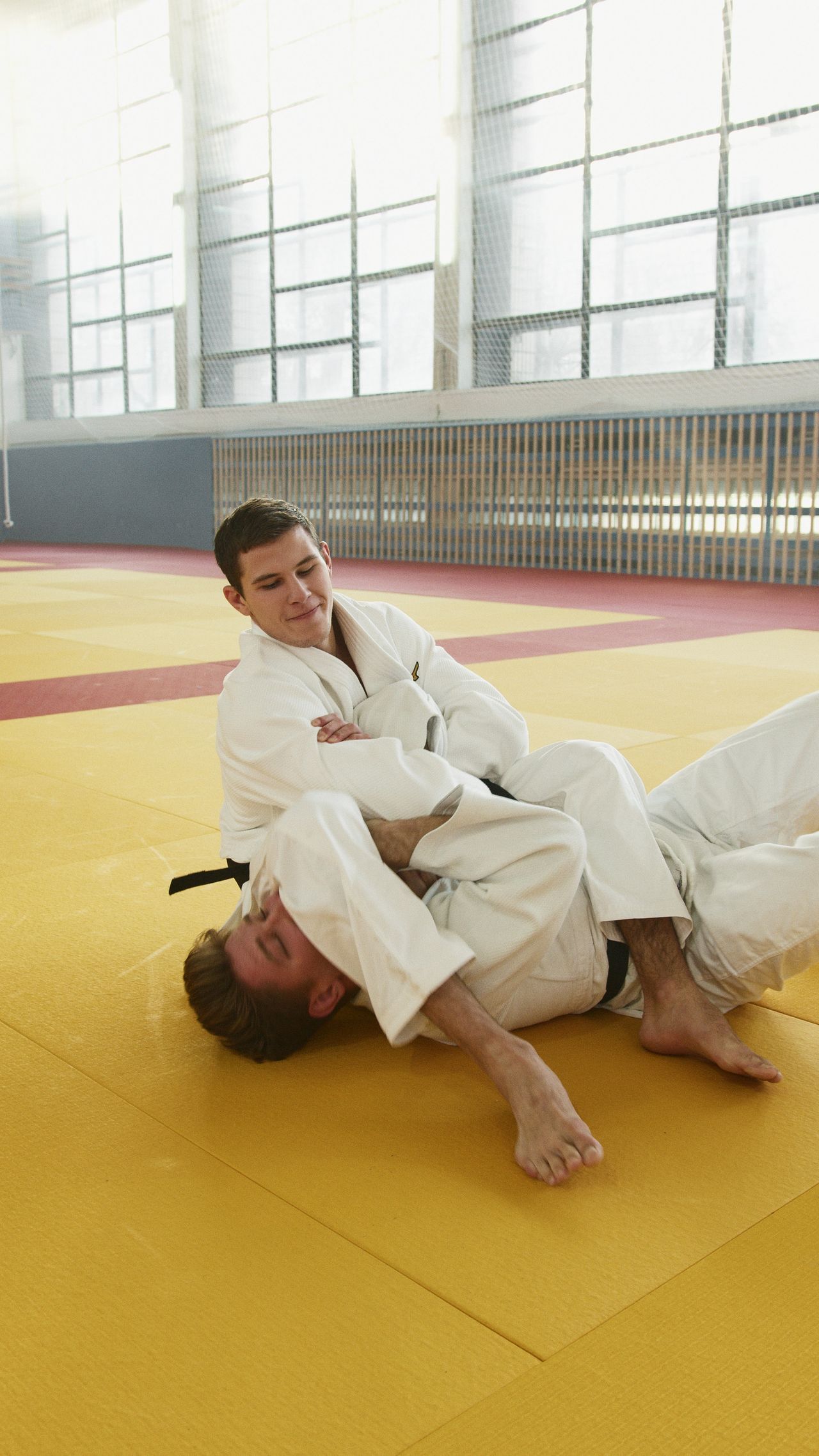
Judo has also played an important role. Belgium has a serious judo tradition, and judo remains one of the most valuable background sports for MMA when it is adapted correctly. The throws, trips, balance, grip fighting, and body control can translate well into clinch exchanges. In the cage, judoka must adjust to no-gi situations and striking entries, but the athletic base is useful. For Belgian fighters who grew up in judo clubs, MMA often becomes a matter of adding boxing, wrestling defense, and submission grappling layers.
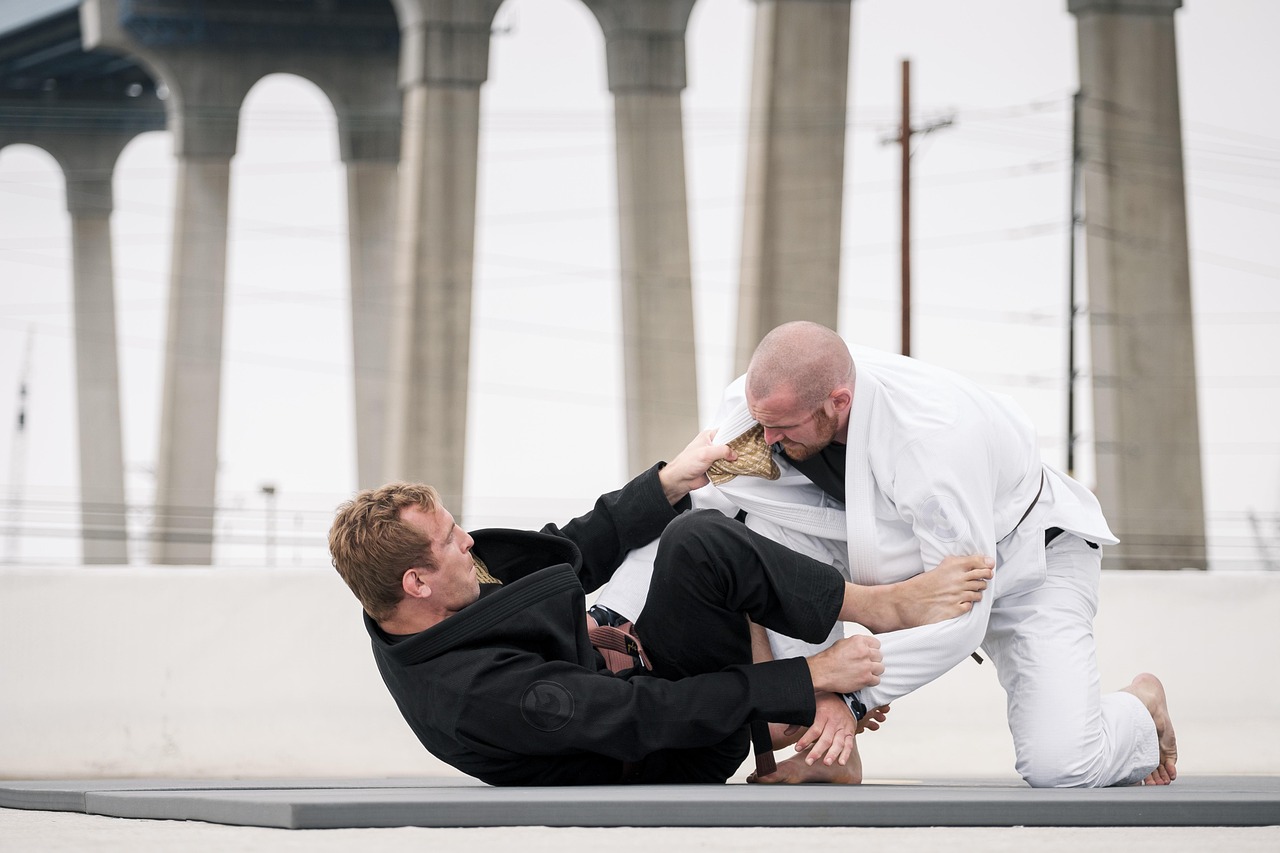
Brazilian jiu-jitsu and submission grappling have grown steadily across the country. Like most European MMA scenes, Belgium needed grappling academies to mature before local fighters could become fully rounded. Early MMA in many countries was often striker-heavy, with athletes learning enough ground defense to survive. As BJJ became more available, Belgian fighters gained better access to modern grappling systems, leg-lock awareness, guard passing, wall wrestling transitions, and submission defense.
Boxing remains part of the foundation as well. Belgian boxing has a longer history than MMA, and boxing gyms continue to influence the stand-up side of the sport. For MMA, pure boxing must be modified. The stance changes because of kicks and takedowns. Head movement must be safer against knees and high kicks. The pocket must be managed with awareness of level changes. Still, fighters with sharp hands, composure under pressure, and good footwork have a clear advantage when they transition correctly.
This mix of disciplines explains why Belgian MMA does not have one obvious national style. Some fighters are more striking-oriented. Others come from judo or grappling. Some develop through modern MMA gyms from the beginning. The best Belgian athletes are usually those who can navigate all three phases: striking, clinch, and ground work.
Belgian Fighters on the International MMA Map
Belgium’s MMA reputation has often been carried by a smaller number of recognizable fighters rather than a long list of global champions. That does not make the scene insignificant. It simply means Belgium’s MMA identity is more selective. A few names have done much of the work of making international fans aware that Belgian MMA exists.
Tarec Saffiedine is one of the most important figures in Belgian MMA history. Born in Brussels, Saffiedine became the first Belgian fighter to win a major world title in a top-level MMA organization when he captured the Strikeforce welterweight championship. His success mattered because it gave Belgium a credible presence during a period when Strikeforce was one of the most respected promotions in the sport. Saffiedine later competed in the UFC, where his technical striking, composure, and disciplined approach made him one of the country’s best-known MMA exports.
Saffiedine’s style reflected the kind of international development path available to elite Belgian fighters. He was not simply a local Belgian product who stayed within one domestic system. His career was shaped through broader training environments, including time with high-level teams outside Belgium. That became a familiar pattern for fighters from smaller MMA nations: build a foundation at home, then seek elite sparring and coaching wherever the opportunity is strongest.
Cindy Dandois is another major name connected to Belgian MMA. A veteran of women’s MMA, Dandois competed in major organizations and faced some of the most recognizable fighters in the sport. Her career stood out because she represented Belgium in an era when women’s MMA was still building its international structure. Dandois brought grappling experience, toughness, and longevity, and she helped give Belgian MMA visibility on the women’s side of the sport.
Other Belgian fighters have appeared across regional and international promotions, often moving through European shows before testing themselves abroad. For a country of Belgium’s size, the challenge has never been whether individual athletes can reach serious levels. The challenge is producing enough of them consistently to create a visible national wave. Belgium has had breakthrough fighters and credible professionals, but it has not yet produced the volume needed to be grouped with Europe’s major MMA exporters.
That makes Belgium a “few-star” MMA country rather than a broad talent factory. Its best fighters prove that the country can produce high-level mixed martial artists. The deeper question is whether the domestic ecosystem can produce them more regularly.
Brussels, Antwerp, Liège, and the Geography of Belgian MMA
Belgium’s MMA scene is shaped by its cities. Brussels is the natural center because it is the capital, the largest international city, and a meeting point between French-speaking and Dutch-speaking communities. It also has the kind of urban density that supports combat-sports gyms, immigrant communities with strong fight traditions, and athletes who can move between disciplines.
Brussels matters not only because of its size, but because of its identity. It is a multilingual, international city with ties across Europe, Africa, the Middle East, and beyond. That kind of environment can be useful for MMA. Different communities often bring different combat-sports backgrounds. Boxing, kickboxing, judo, wrestling, and grappling can all find space in a city where sport is tied to neighborhood culture as much as formal institutions.
Antwerp and the wider Flemish region have their own importance. Flemish fighters and gyms can draw from Belgium’s northern sporting culture while also staying close to the Netherlands. This matters for striking development. Dutch kickboxing has influenced not only professional kickboxing but also MMA striking across Europe. A Belgian fighter from Flanders does not need to be part of a massive domestic MMA market to be exposed to high standards in stand-up training.
Liège, Charleroi, and other Walloon cities add another layer. The French-speaking combat-sports world has become more relevant as MMA has grown in France. For years, French MMA developed under complicated restrictions, which affected the broader region. As France became a more active MMA market, Belgian fighters gained more nearby opportunities for competition, training, and exposure.
Ghent, Leuven, Namur, and smaller communities also contribute to the grassroots base, though not always in a way that is visible to international fans. MMA in Belgium is not only about major arenas or elite prospects. It is also about smaller academies where athletes train after work, amateurs take their first fights, grapplers test themselves in local tournaments, and strikers decide whether they want to make the difficult transition to full MMA.
The country’s compact size can be an advantage. Fighters do not have to travel across a continent to find different training environments. The limitation is scale. A smaller population and a smaller MMA market mean fewer large gyms, fewer major promotions, and fewer full-time professional pathways. Belgian fighters often need to be mobile, multilingual, and willing to compete wherever the right fights are available.
Gyms, Training Culture, and the Belgian Development Problem
The central issue for Belgian MMA is not whether the country has talent. It is whether the development structure is deep enough to turn more talented combat-sports athletes into complete MMA fighters.
Modern MMA requires more than a collection of separate disciplines. A fighter cannot simply be a good kickboxer who takes a few grappling classes, or a judoka who adds basic boxing. The sport has become too integrated. Wall wrestling, cage control, ground-and-pound, submission defense, wrestling entries against strikes, striking exits after clinch breaks, and round-by-round tactical management all require specific MMA training.
Belgian gyms have had to meet that challenge while operating in a market where MMA is still smaller than soccer and many established combat sports. The best training environments are those that can bring together striking coaches, grappling coaches, wrestling instruction, conditioning, sparring partners, and fight management. Not every gym can do that at the same level. That is why serious Belgian prospects often need to cross-train or spend time abroad.
This is not a weakness unique to Belgium. Many smaller MMA nations face the same issue. The difference is that Belgium’s geography gives its fighters workable solutions. A prospect can remain Belgian-based while accessing training in the Netherlands, France, Germany, or the United Kingdom. For elite fighters, that cross-border model can be essential.
The amateur level is especially important. A healthy MMA scene needs safe, active, well-regulated amateur competition where fighters can learn before turning professional. Amateur shows allow athletes to make mistakes without being thrown immediately into high-risk pro fights. They also create a local fan base and give coaches feedback on whether their training methods work under pressure.
Belgium’s future as an MMA country depends heavily on this development layer. One successful fighter can put a country on the map, but a sustainable scene requires coaches, amateur events, referees, judges, training partners, medical standards, and promotions willing to invest in local talent. The more Belgium strengthens that middle layer, the more likely it is to produce fighters who do not need to leave early just to become complete professionals.
Belgian MMA and the Wider European Circuit
Belgian fighters rarely exist only inside Belgium. The European MMA circuit is one of the most important parts of their competitive reality. Promotions in the United Kingdom, France, Germany, the Netherlands, Poland, the Czech Republic, Ireland, and the Balkans all matter because they give fighters opportunities to build records, face different styles, and get noticed by larger organizations.
This regional circuit can be unforgiving. European fighters often face stylistic diversity earlier than prospects in more isolated markets. A Belgian fighter might face a Dutch-style striker, a French grappler, a Polish wrestler, a Balkan pressure fighter, or a British cage-wrestling specialist in successive bouts. That variety can accelerate development, but it can also expose weaknesses quickly.
For Belgian athletes, the path to the UFC, PFL, Bellator’s successor structures, ONE Championship, Cage Warriors, Oktagon, KSW, Brave CF, or other international platforms usually runs through these regional tests. A fighter must do more than dominate locally. They need to win against opponents from deeper MMA environments, often on the road, often without the promotional protection that prospects in larger markets may receive.
This creates a practical kind of toughness. Belgian fighters who break through usually have to be adaptable. They need to travel, accept different rule environments, adjust to different judging tendencies, and fight in front of crowds that may not favor them. That can be difficult, but it also produces professionals who understand the business side of European MMA.
Belgium’s location makes it well suited for this role. It may never become the largest MMA market in Europe, but it can remain a useful connector country. Fighters can move outward. Foreign fighters can come in. Promotions can stage shows that draw from multiple nearby markets. Gyms can build relationships across borders. In European MMA, geography is part of infrastructure, and Belgium has valuable geography.
Events, Fans, and the Visibility Challenge
The Belgian MMA fan base exists, but the sport competes for attention in a crowded landscape. Soccer dominates national sports culture. Cycling, tennis, athletics, basketball, combat sports, and other international sports all have their own audiences. MMA has grown through global media, UFC visibility, local gyms, and regional events, but it does not yet sit at the center of Belgian sporting identity.
That affects event culture. Belgium can host fight nights and regional shows, but it is not yet a routine destination for the biggest MMA events in the way Las Vegas, London, Paris, Abu Dhabi, New York, or certain Polish and Russian markets have been. For Belgian MMA to grow as an event product, it needs recognizable local fighters, reliable promotion, media coverage, and enough fan demand to make shows feel important.
The rise of MMA in France may help Belgium indirectly. Paris has become a major European MMA event city, and French-language media attention can spill over into Belgium. Belgian fighters who speak French may find it easier to build audiences in that market. Flemish fighters may look toward Dutch-speaking fans and Netherlands-based striking culture. Brussels, because of its international profile, has the potential to connect both sides.
The visibility challenge is not only about live events. It is also about storytelling. Smaller MMA countries often struggle because their fighters are known only to hardcore fans. A Belgian fighter can be talented, but without consistent coverage, highlight distribution, interviews, and recognizable rivalries, the broader public may never attach to the career. That is where regional promotions and national media can make a difference.
Belgium’s multilingual identity complicates this, but it can also become a strength. Fighters may be able to reach French-speaking, Dutch-speaking, and English-speaking audiences. That wider communication range matters in modern MMA, where self-promotion, media access, and international branding can influence opportunity.
Why Belgium Produces Capable Fighters Without a Massive MMA Machine
Belgium’s MMA ceiling is higher than its current visibility suggests, but its limitations are real. The country has enough combat-sports culture to produce good fighters. It has access to elite neighboring systems. It has cities with diverse athletic communities. It has examples of fighters who reached major stages. What it lacks is the large, centralized MMA machine that produces constant waves of prospects.
That means Belgian MMA is often dependent on individual initiative. A talented athlete needs to find the right gym, the right coaches, the right sparring, the right management, and the right fights. In a deeper market, more of that support might be available within one city or one national system. In Belgium, the path is more fragmented.
This fragmentation can slow development, but it can also create well-rounded athletes when managed correctly. A fighter who learns striking in one environment, grappling in another, and cage craft through regional competition may develop a broad view of the sport. The challenge is integration. MMA rewards athletes who can turn separate skills into one connected game.
Belgian fighters who succeed internationally usually have that integrated quality. They are not just representatives of one discipline. They are products of a European fight network. They carry Belgian identity, but their development often reflects Brussels, Amsterdam, Paris, London, and other training centers at the same time. That is one of the defining features of Belgian MMA.
The Future of MMA in Belgium
Belgium’s MMA future is likely to be steady rather than explosive. The country has the ingredients for continued growth: active combat-sports gyms, access to regional competition, exposure to UFC and European MMA media, and a new generation of athletes who see MMA as a complete sport rather than a novelty. But becoming a major MMA country would require deeper infrastructure, more regular events, stronger amateur development, and more fighters breaking through together.
The most realistic path is for Belgium to become a reliable European development market. That means producing occasional high-level professionals, supporting regional shows, strengthening amateur pathways, and using its location to stay connected to larger fight economies. Belgium does not need to copy the Netherlands, France, the United Kingdom, or Poland. Its own role is different. It can be a compact but serious MMA country where athletes build foundations locally and sharpen themselves through cross-border opportunity.
The next major Belgian MMA breakthrough will probably come from a fighter who reflects that hybrid identity: technically trained, multilingual, comfortable traveling, and shaped by more than one combat-sports tradition. They may come from kickboxing, judo, BJJ, wrestling, boxing, or a modern MMA gym. They may fight first in Belgium, then France, Germany, the Netherlands, or the UK. Their career will likely look international before it looks mainstream at home.
That is the Belgian MMA story in its current form. It is not a mass-production system, and it is not a country defined by one dominant martial art. It is a regional crossroads with enough talent, enough tradition, and enough access to remain relevant. Belgium’s place in MMA is still being built, but it already has the foundation of a credible European scene: serious fighters, practical gyms, cross-border pathways, and a combat-sports culture that can support the next wave if the infrastructure keeps improving.