Tampa Bay boxing has a Gulf Coast identity: regional, tough, sometimes overlooked, but richer than casual fans may realize. It is not a single-city boxing story. Tampa, St. Petersburg, Clearwater, and the surrounding fight communities all feed into the area’s reputation. The result is a boxing scene defined by world champions, local gyms, Florida athleticism, and fighters who often had to push their way into national attention from outside the sport’s biggest markets.
The area’s modern legacy starts with names. Antonio Tarver and Ronald “Winky” Wright give Tampa Bay legitimate championship weight. Tarver, who moved to Tampa as a child and attended Chamberlain High School, became one of the region’s most recognizable fighters and was inducted into the International Boxing Hall of Fame in 2026. Wright, from St. Petersburg, had already entered the Hall in 2018. Together, they form the clearest high-end proof that Tampa Bay has produced more than local tough guys. It has produced world-class boxers.
Wright’s career helped restore professional boxing attention to the area in the 2000s. His 2004 win over Shane Mosley for the WBC and WBA titles was a major moment for Tampa Bay boxing, and it arrived during a period when Tarver and Jeff Lacy were also pushing the region into the national fight conversation. That era gave the area a real identity: technical southpaw skill, power punching, and fighters who could compete with elite names.
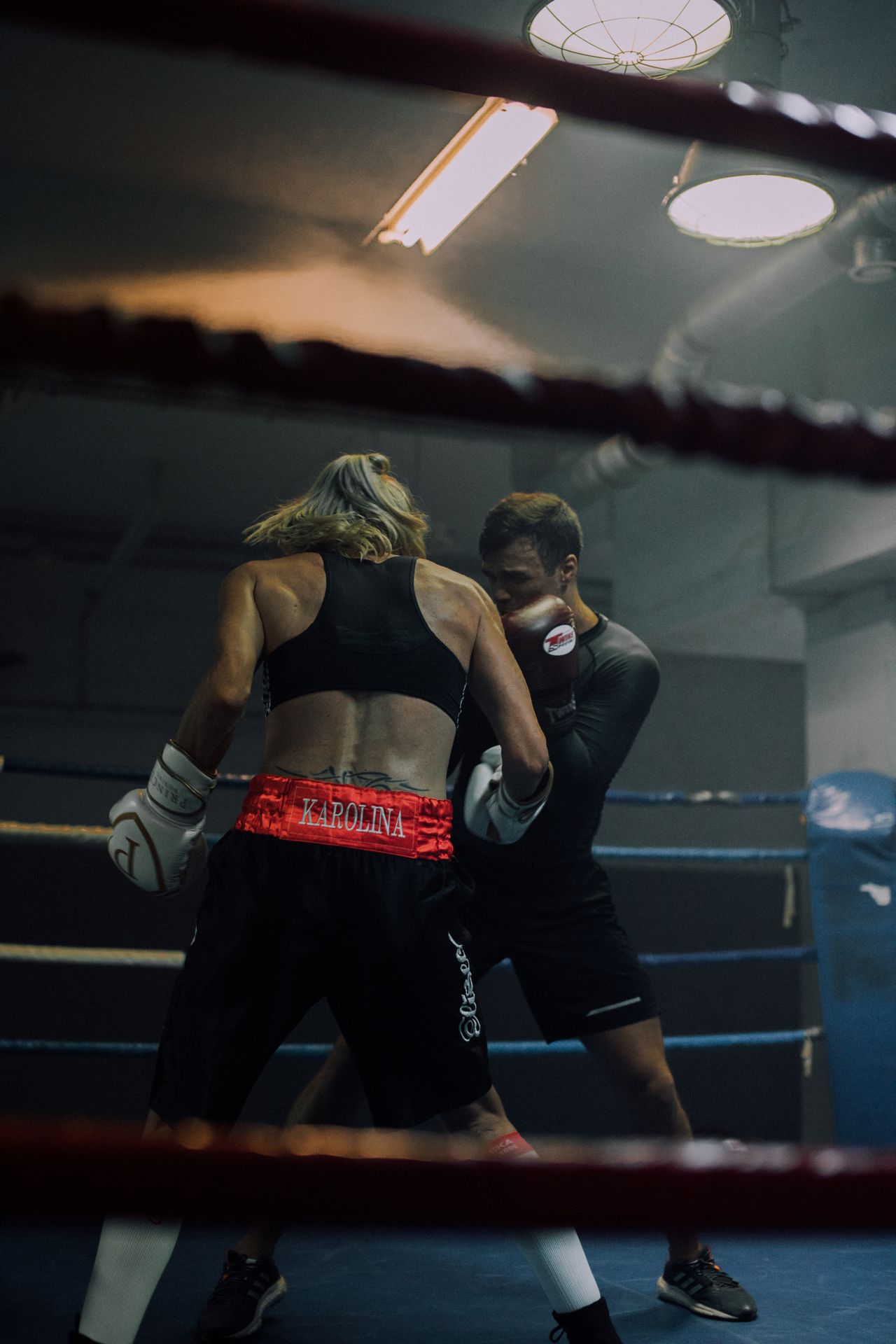
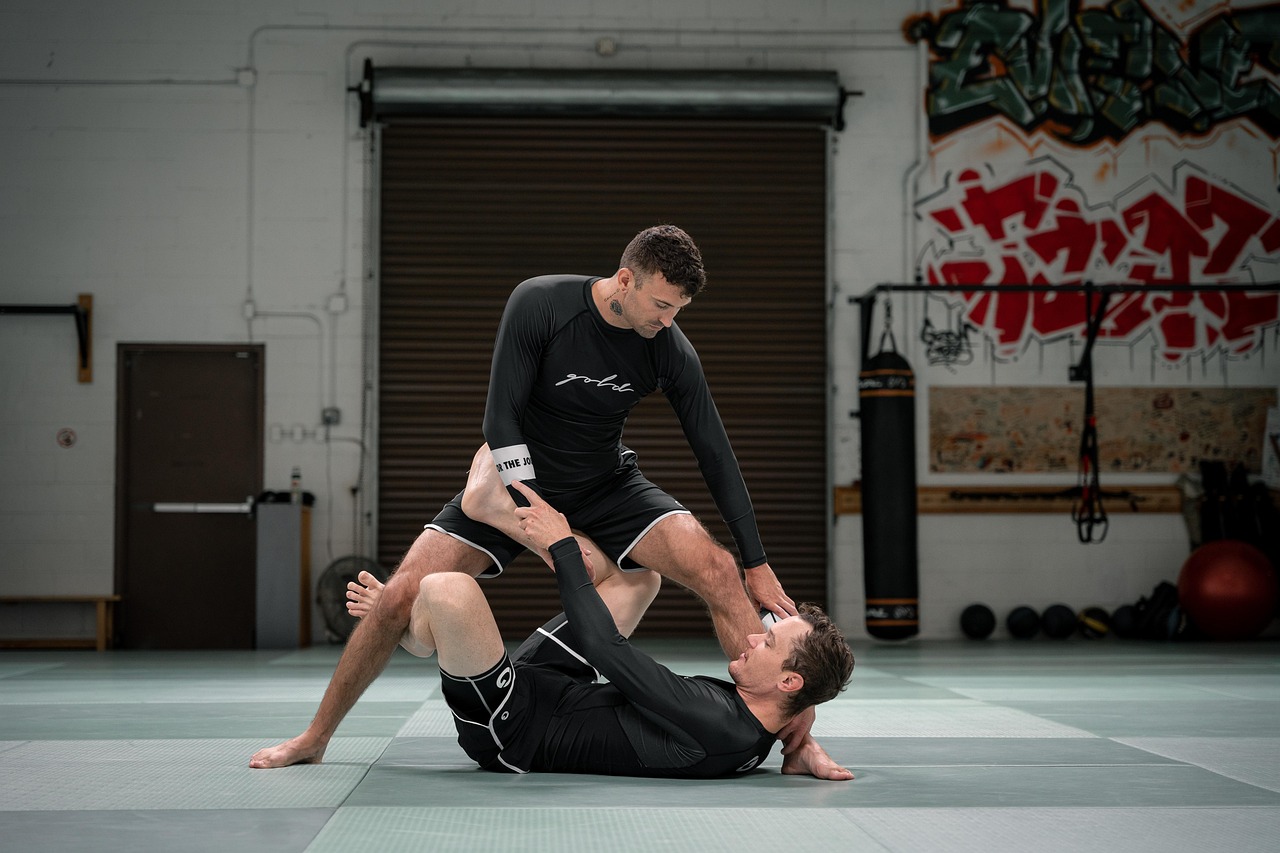
Tampa Bay’s boxing culture is not built around one famous arena or one iconic neighborhood gym. It is more spread out. Fighters develop through local clubs, private gyms, youth programs, fitness boxing spaces, and serious sparring rooms that sit alongside Florida’s broader combat-sports scene. MMA, kickboxing, strength training, and boxing fitness all compete for attention, but boxing still has a distinct place because of the champions who came through the region.
That gym culture is important because Tampa Bay fighters often need to be self-propelled. Unlike New York, Philadelphia, Los Angeles, or Las Vegas, the area is not always treated as a default stop on the national boxing map. Local fighters must build records, travel for opportunities, connect with promoters, and make enough noise to get seen. That gives the scene a practical, entrepreneurial edge.
The region’s famous fighters also show different routes through the sport. Tarver’s story includes amateur success, Olympic pedigree, and professional light heavyweight fame. Wright’s career was built on craft, defense, patience, and a willingness to fight difficult opponents. Lacy brought explosive appeal. John “The Beast” Mugabi, Tommy Gomez, Willie Monroe Jr., and Jasmine Artiga add further layers to the area’s boxing memory and competitive reach.
Amateur boxing in Tampa Bay remains essential, but the area’s strongest identity is professional lineage. The question is whether the next generation can turn participation into visible contenders. The raw material is there: population growth, athletic talent, gyms, combat-sports crossover, and a Florida market that can support fight events when properly promoted.
Tampa Bay boxing does not need to imitate Miami, New York, or Las Vegas. Its value is different. It is a regional boxing ecosystem with Hall of Fame credibility, local pride, and enough fight culture to keep producing serious athletes. The scene’s future depends on whether its clubs and promoters can convert that history into a more consistent pipeline.