Karate’s Olympic cameo matters because it gave one of the world’s most recognizable martial arts a stage it had chased for decades, then turned that stage into a one-time appearance. At Tokyo 2020, karate joined the Olympic program in Japan, the country where modern karate developed into a global discipline. The event included kata, the formal demonstration of technique and movement, and kumite, direct competition between athletes. But karate was not included at Paris 2024, and it was also left out of the additional sports selected for Los Angeles 2028. That brief stay made Tokyo more than a debut. It became a rare Olympic moment that was also an ending.
Why Tokyo Was the Natural Stage for Karate’s Olympic Arrival
Karate’s Olympic arrival in Tokyo carried symbolic weight before the first athlete stepped onto the mat. The sport’s roots run through Okinawa and Japan, and its modern global identity has long been tied to Japanese martial arts culture. Holding the Olympic debut in Tokyo gave karate a host-city connection that few new sports could match.
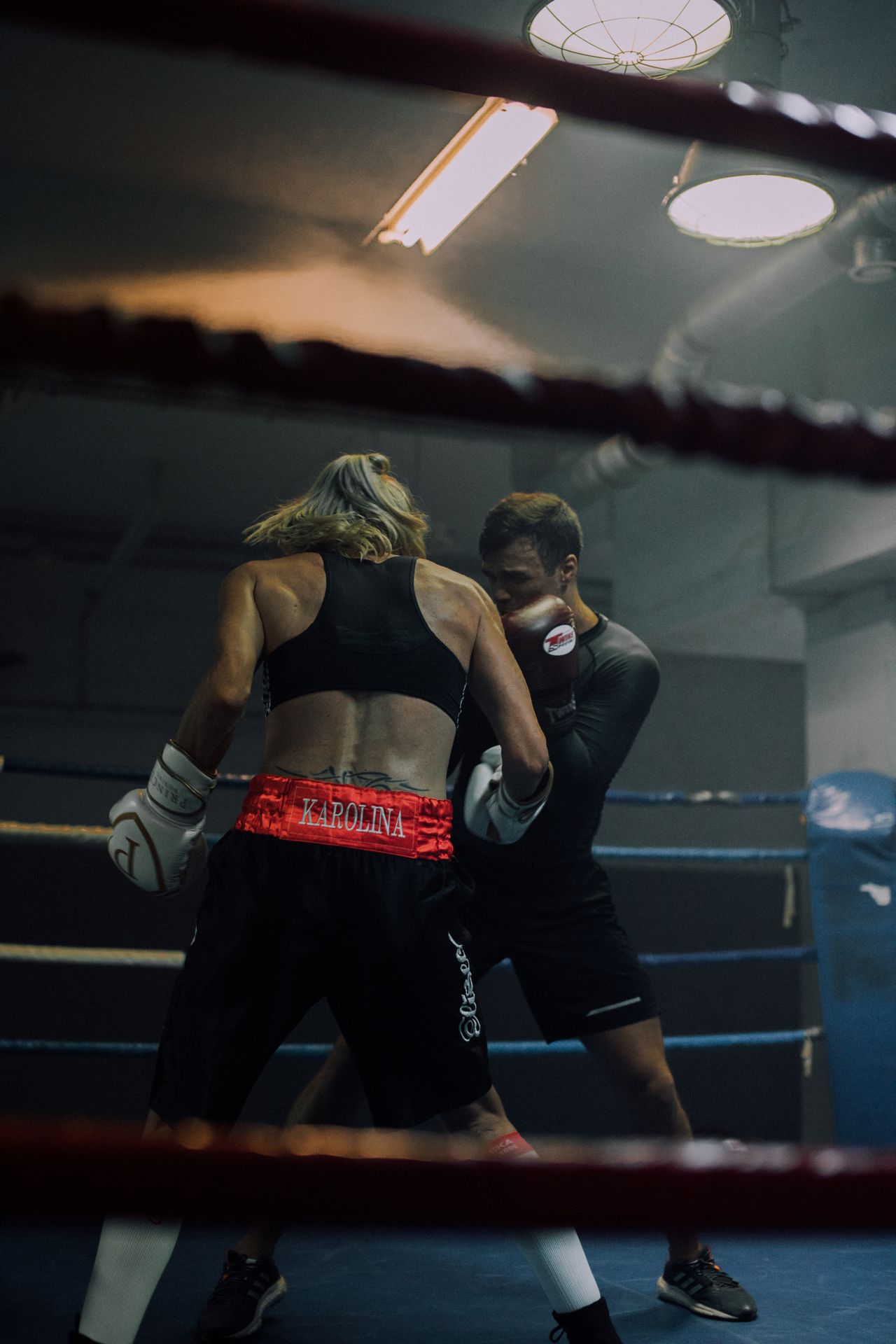
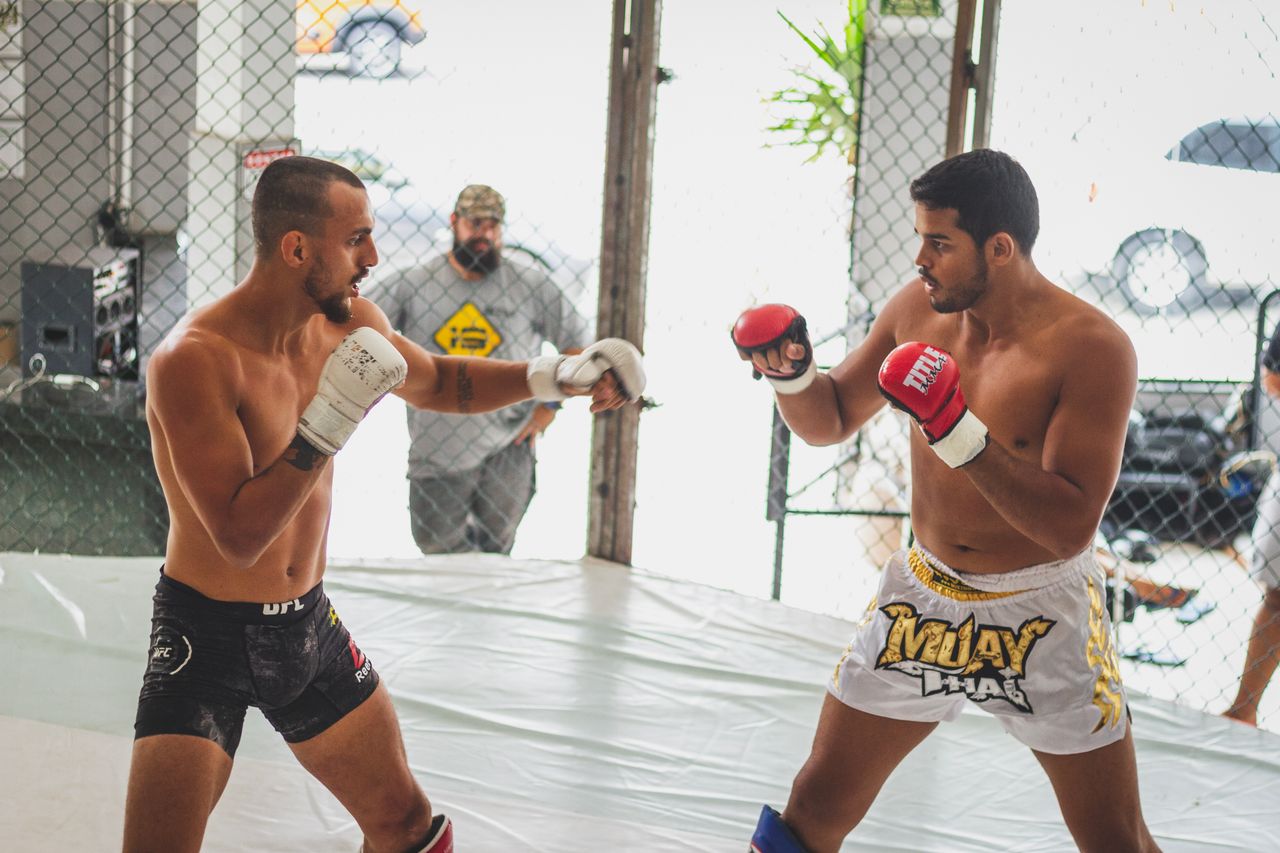
The competition also tried to show two different sides of karate. Kata presented karate as discipline, form, precision, rhythm, and controlled expression. Kumite presented karate as timing, distance, scoring, defense, and pressure against a live opponent. That split mattered because karate has never been only one thing. It is a martial art, a competitive sport, a self-development practice, and a global federation system all at once.
For Olympic audiences, that complexity was both an opportunity and a challenge. Karate was familiar enough that millions of viewers recognized the word. But Olympic karate was not the movie version, the neighborhood-dojo version, or a full-contact kickboxing format. It was a specific competitive rule set, built around controlled scoring and formal judgment. Tokyo gave karate visibility, but it also forced the sport to explain itself quickly.
Karate’s Olympic Cameo Ended With Medals, Drama, and Unfinished Business
Karate’s Olympic cameo produced champions, national milestones, and one of the most unusual gold-medal endings in recent Olympic combat sports. The official Tokyo 2020 karate results list medalists across kata and kumite events, giving the sport its first Olympic podiums after years of trying to enter the Games.
The moment many casual viewers remembered most came in the men’s +75 kg kumite final. Tareg Hamedi of Saudi Arabia was disqualified after a high kick to Sajad Ganjzadeh of Iran, and Ganjzadeh was awarded the gold medal. NBC Olympics reported that Hamedi had been leading 4–1 before the bout ended through disqualification. The ending created immediate debate because it showed the tension at the heart of Olympic kumite: karate rewarded explosive technique, but it also required control under rules designed to protect athletes.
That controversy did not define every athlete’s achievement in Tokyo, but it did shape the wider memory of karate’s Olympic appearance. A sport built on discipline and control had reached the Olympics, only for its most visible final scene to become a debate about contact, safety, and judging. For longtime karate practitioners, the Games were still a historic breakthrough. For many casual viewers, the sport’s only Olympic appearance arrived with both beauty and confusion.
The larger issue was timing. Karate had finally reached the Olympic program, but the decision not to include it in Paris 2024 had already limited its runway. Reuters later listed karate among the Tokyo sports dropped for Paris, while USA Karate noted the World Karate Federation’s announcement that karate was not selected for the LA28 additional sports program. The debut had barely arrived before the sport was already fighting for another invitation.
Why Karate’s Olympic Cameo Still Matters
Karate’s Olympic cameo still matters because it shows how difficult Olympic permanence can be, even for a martial art with global recognition. Olympic inclusion is not only about history or participation. It is also about host-city preference, broadcast appeal, event limits, youth strategy, governance, and how easily a sport can present itself to viewers who may only watch once every four years.
Tokyo gave karate something real: Olympic champions, Olympic footage, Olympic records, and a place in the history of the Games. It also gave karate a complicated lesson. Being globally known is not the same as being permanently Olympic. The sport had to compete not only against other martial arts, but against the modern Olympic program’s limited space and shifting priorities.
That makes karate’s Olympic story unusually compact. Some sports spend generations building Olympic traditions. Karate had one Games to introduce itself, reward its athletes, absorb controversy, and leave a record behind. Its cameo was brief, but it was not meaningless. It captured the tension between martial tradition and modern sports entertainment, and it gave karate a moment on the largest stage before the Olympic door closed again.