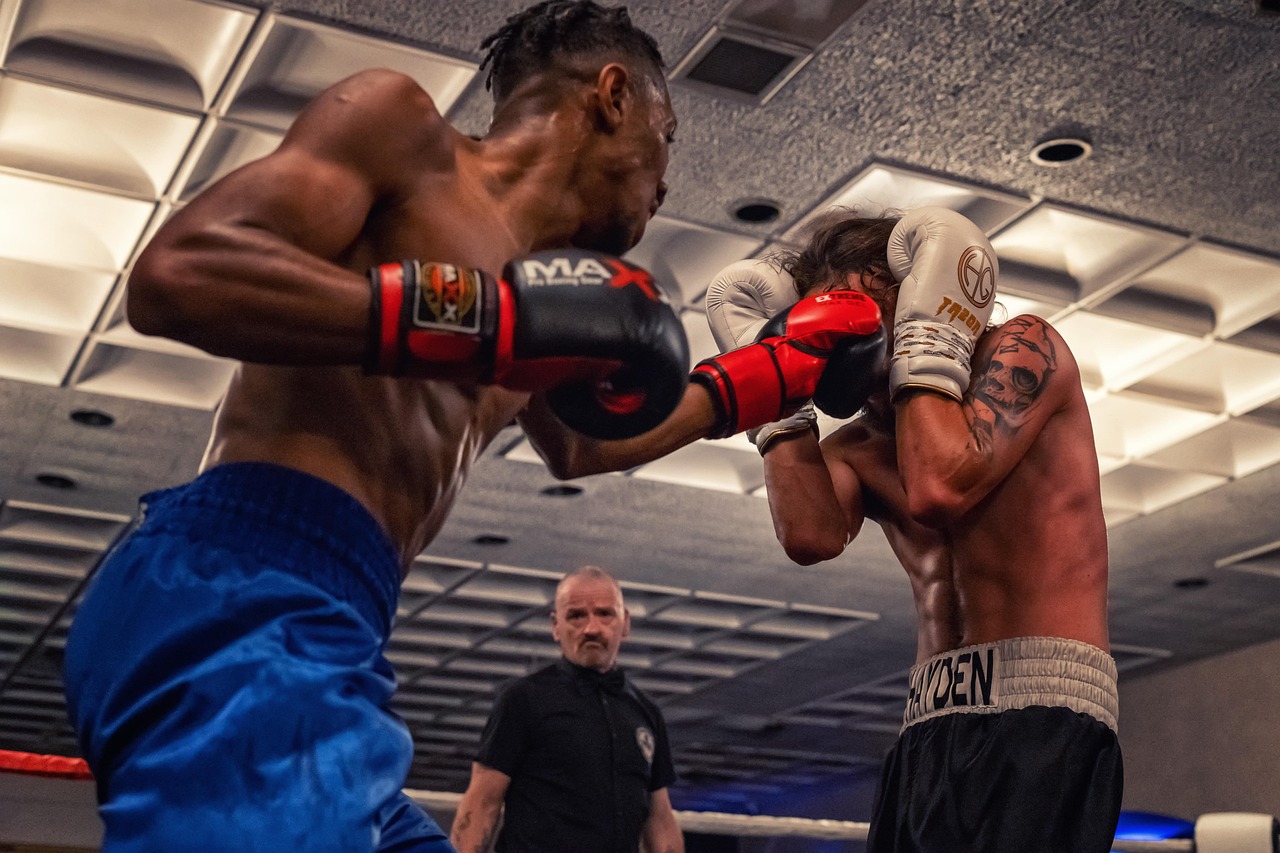
Manila is not the only center of Filipino MMA, and in pure fighter development it may not even be the most important one. The deeper athlete pipeline has often pointed north toward Baguio and the Team Lakay system, which produced or shaped several of the Philippines’ most important ONE Championship figures. But Manila has been the country’s biggest MMA stage: the arena city, media city, and fan-pressure environment where Filipino fighters have fought some of their most visible bouts.
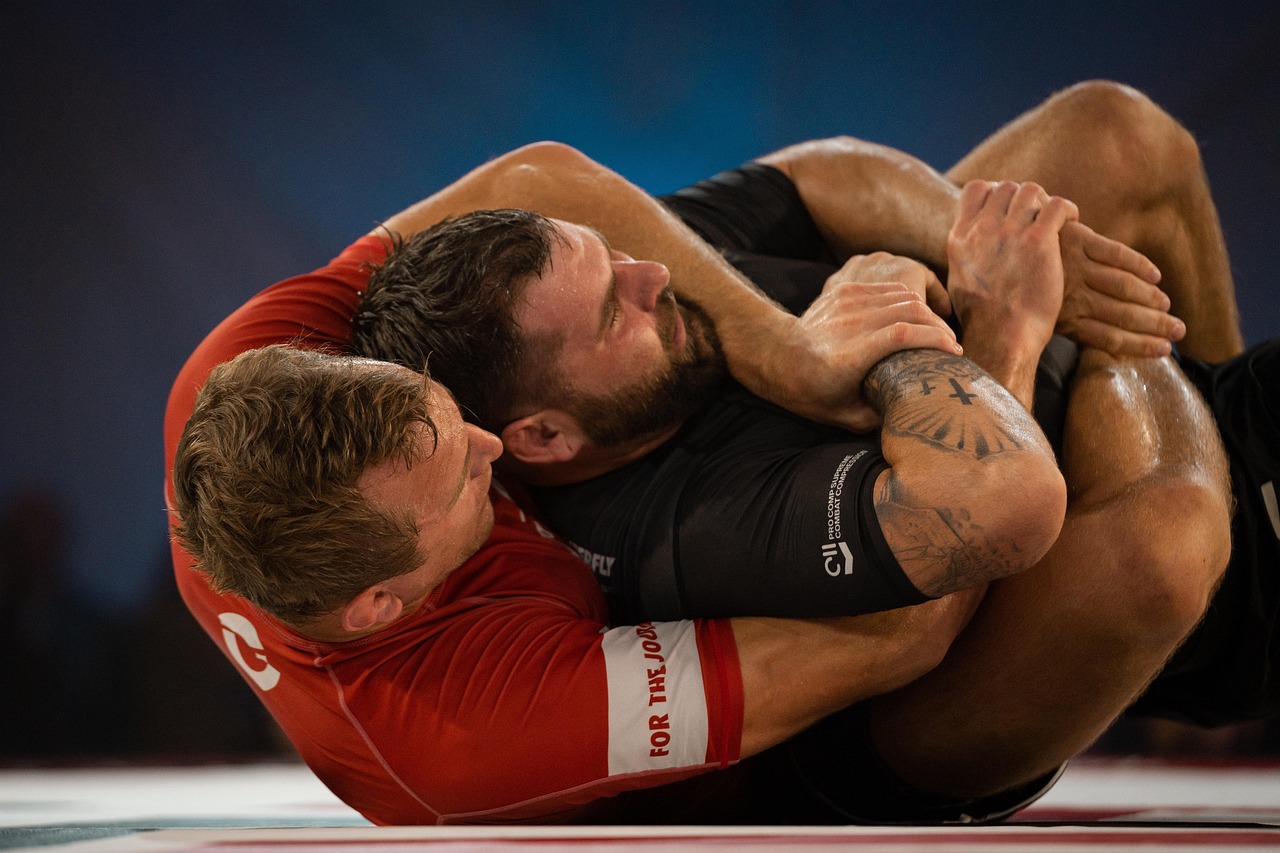
The Philippines came into MMA through a strong mix of wushu, boxing, kickboxing, grappling, and local tough-gym culture. The country’s modern pro scene has a long relationship with URCC, which is widely identified as the Philippines’ first professional MMA promotion, with its first event held in Parañaque in November 2002. That early Manila-area foundation matters because it gave Filipino fighters a domestic proving ground before ONE Championship became the region’s most important international platform.
Manila’s highest-profile MMA identity is tied to ONE Championship at the Mall of Asia Arena. ONE has repeatedly used Manila as a major Philippine fight venue, including ONE 164: Pacio vs. Brooks in December 2022, which took place at SM Mall of Asia Arena and put Joshua Pacio in the main event against Jarred Brooks. ONE’s own announcement framed the bout as a Manila headliner, while local coverage described the event as ONE’s return to the Philippines after a pandemic-era gap.
The fighters most associated with Filipino MMA are not all Manila fighters, but Manila is where many of their biggest national moments became public spectacles. Eduard Folayang, Kevin Belingon, Honorio Banario, Joshua Pacio, and Brandon Vera all helped create the country’s modern MMA identity. Folayang, Belingon, Banario, and Pacio were long tied to Team Lakay before several major names left the Baguio-based team in 2023. Vera, a Filipino-American heavyweight and former ONE heavyweight champion, gave Manila a different kind of star: a global veteran who could headline in the Philippines and draw casual attention beyond the hardcore MMA audience.
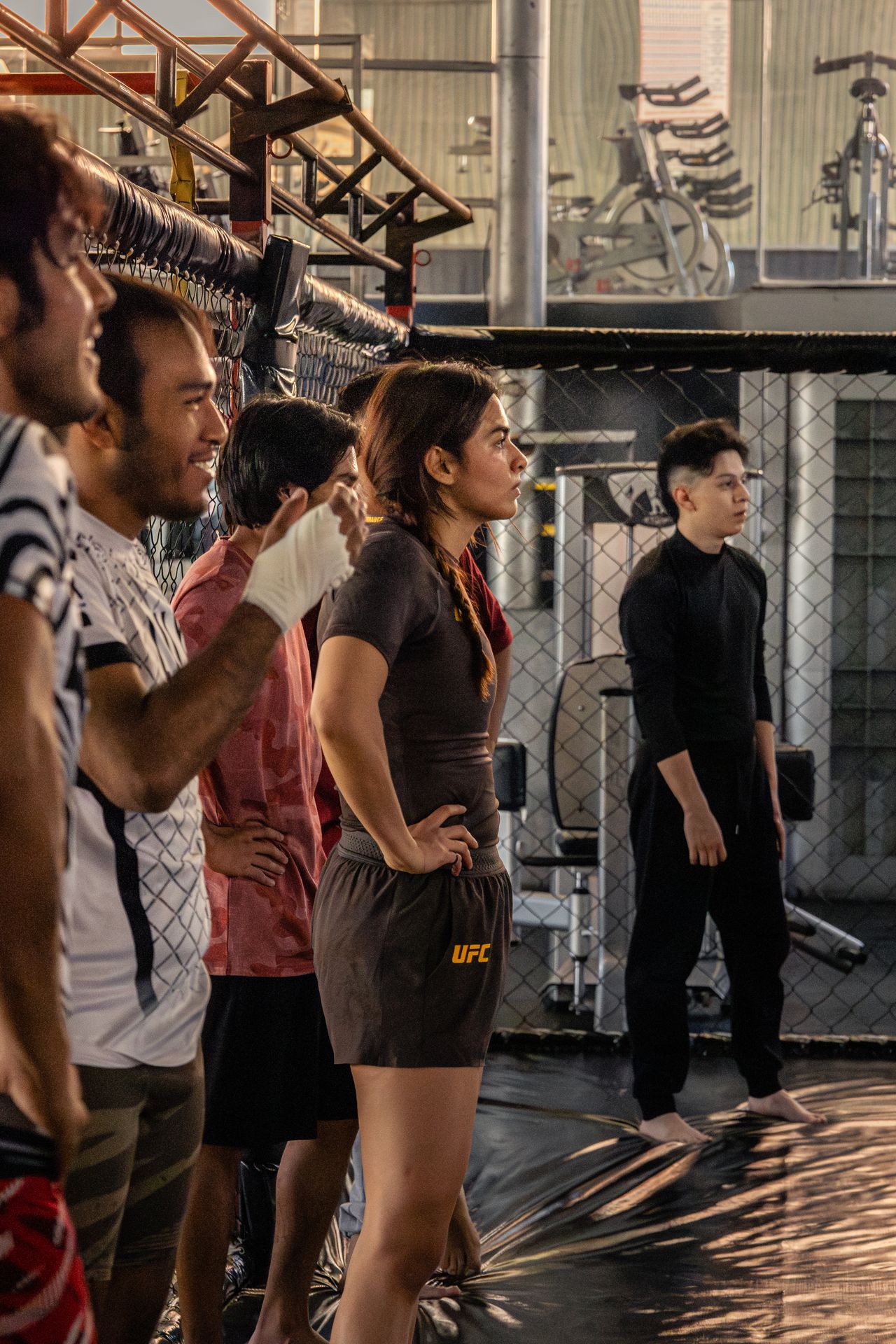
Training culture around Manila is more fragmented than the national highlight reel suggests. The city has gyms, BJJ academies, boxing rooms, and MMA programs, but the Philippines’ most famous MMA system was not a Manila invention. That distinction is important. Manila’s role has often been to host, amplify, and commercialize the scene rather than to produce every major fighter itself. Athletes may train elsewhere, build reputations in regional promotions, then arrive in Manila for the kind of event that feels like a national referendum.
Fan culture is one of Manila’s strengths. Filipino combat-sports crowds understand striking, toughness, and national representation. Boxing has long shaped the country’s fight imagination, and MMA benefits from that baseline literacy. When a Filipino fighter headlines in Manila, the event carries more than sport. It becomes a test of national pride, especially when the opponent is a foreign champion or title contender.
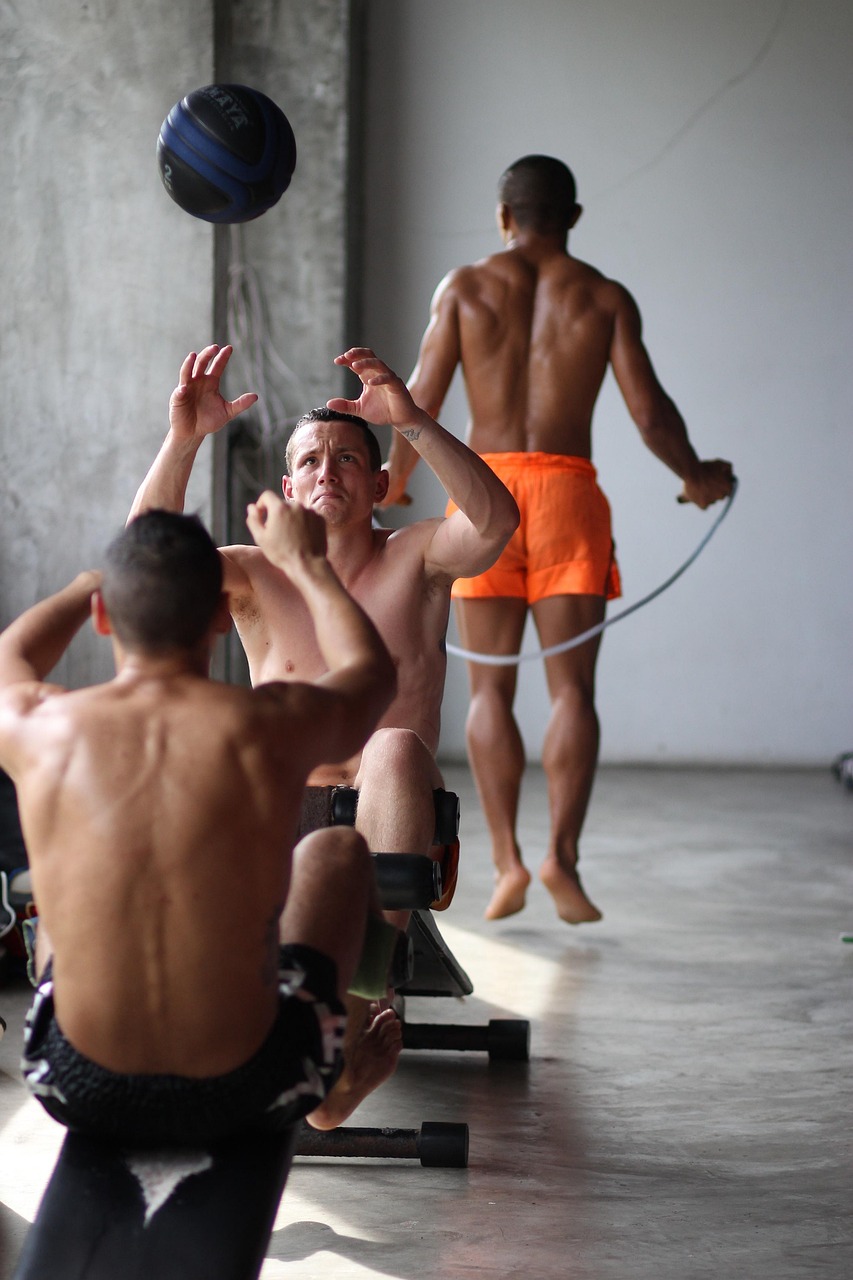
The next stage for Manila MMA depends on rebuilding depth. The old Team Lakay era proved the Philippines could produce Asian champions, but the scene now needs a wider base of modern MMA gyms that can blend striking, wrestling, cage grappling, and strength training at international standards. Manila’s advantage is visibility. If the country’s next generation breaks through, Manila will likely be where the scene gathers around them.