São Paulo is one of the most important MMA cities in the world because it sits at the intersection of Brazilian jiu-jitsu, Muay Thai, boxing, vale tudo history, modern UFC success, and a huge urban talent pool. Brazil’s MMA identity is often associated with Rio de Janeiro, Curitiba, and the old vale tudo circuits, but São Paulo has its own powerful claim. It is a city where combat sports are not a niche import. They are part of a dense, competitive martial arts environment that can produce specialists, pressure fighters, grapplers, and complete professionals.
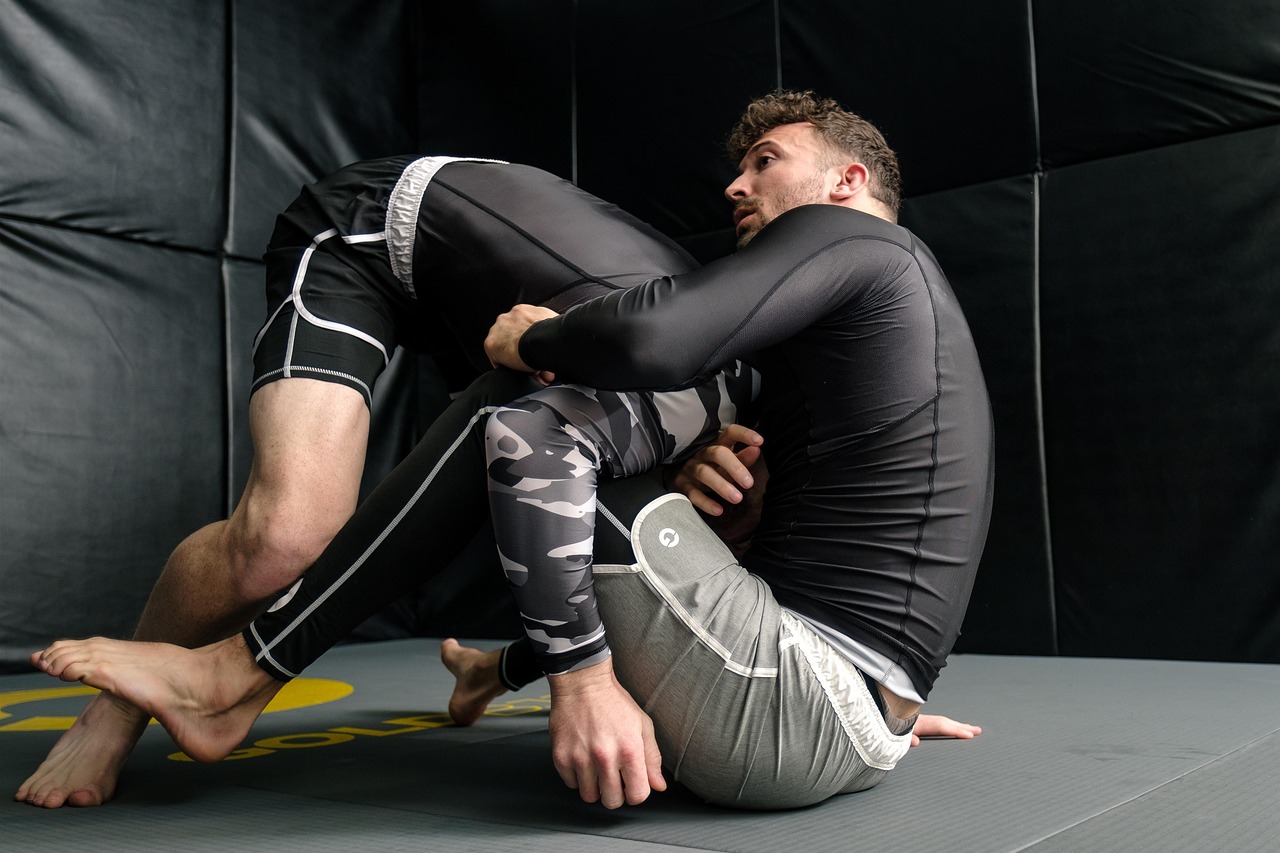
The city’s MMA profile begins with Brazilian jiu-jitsu but does not end there. São Paulo has long been a major BJJ city, and its grappling culture shaped many fighters who entered MMA with strong positional skill and submission confidence. Demian Maia is the cleanest example. Born in São Paulo, Maia became one of the most accomplished jiu-jitsu-based fighters in UFC history, competing for UFC titles at middleweight and welterweight and retiring with major UFC submission and win records among Brazilian fighters. His career represents a specific São Paulo contribution to MMA: technical grappling translated into elite cage control.
But São Paulo is not only a jiu-jitsu city. Its modern MMA identity is also tied to Chute Boxe Diego Lima, the São Paulo branch of one of Brazil’s most famous striking lineages. Chute Boxe’s broader history is associated with aggressive Muay Thai, pressure, and the old Brazilian style that produced major Pride and UFC names. In São Paulo, Diego Lima’s team became globally visible through Charles Oliveira’s rise. Oliveira joined Chute Boxe Diego Lima in São Paulo in 2018, adding the gym’s aggressive Muay Thai emphasis to his already dangerous submission game, and later became UFC lightweight champion.
That Oliveira story is central to modern São Paulo MMA. He is from Guarujá in the state of São Paulo, not the city proper, but his championship transformation is closely tied to the São Paulo training environment. Chute Boxe Diego Lima’s location in São Paulo and its role in Oliveira’s camp make the city part of one of the most important lightweight careers in UFC history. It also shows how São Paulo MMA works at its best: a fighter can arrive with one elite weapon, then add the missing layers through a serious, pressure-based team.
São Paulo’s size gives it a major advantage over smaller MMA markets. The city can support multiple kinds of training: BJJ academies, Muay Thai teams, boxing gyms, wrestling instruction, conditioning facilities, and professional fight camps. Athletes can sharpen themselves without immediately leaving the region. That does not mean every fighter stays in São Paulo forever, but the local ecosystem is deep enough to function as a genuine development market rather than just a starting point.
The event scene also reflects São Paulo’s status. The city has hosted major combat-sports activity, and recent grappling and fight-adjacent events continue to use São Paulo as a serious Brazilian market. Hype Brazil, for example, staged a 2026 submission-only grappling event at Komplexo Tempo in São Paulo featuring Deiveson Figueiredo and Raul Rosas Jr., with bareknuckle boxing also on the card. That kind of event mix fits São Paulo well because the city’s combat-sports appetite is broader than MMA alone.
São Paulo’s MMA future is not about proving that the sport belongs there. That argument has already been won. The more important question is how the city continues to modernize Brazilian MMA. Its best fighters and teams need to combine the old Brazilian virtues, dangerous jiu-jitsu, aggressive striking, toughness, and creativity, with the newer global demands of wrestling defense, round management, sports science, and disciplined game planning. São Paulo has the population, history, coaches, and competitive pressure to keep producing elite fighters. Its MMA identity is already deep, and its next stage depends on how well that depth adapts to the sport’s modern tactical standard.