Boxing in Togo is a smaller and more underdocumented part of West African fight culture, but it has roots that deserve attention. The country does not have the same global boxing reputation as Ghana, Nigeria, or some larger African sports markets. Its scene is more modest, centered around Lomé, local clubs, regional competition, and individual fighters who have carried the Togolese flag into difficult professional and amateur spaces. Togo’s boxing identity is not one of volume. It is one of persistence.
The most important historical figure in Togolese boxing is John Kodjo Mensan, also known as Kpalongo. He became one of the country’s pioneering professional fighters and remains a reference point for Togolese boxing history. His career belongs to an earlier African boxing era, when fighters often had to make their reputations through regional contests, difficult travel, and limited promotional support. For Togo, Mensan matters because he gave the country a recognizable boxing name at a time when professional infrastructure was thin.
Togolese boxing has often existed in relation to its neighbors. That is one of the defining features of the sport in smaller West African countries. A fighter in Togo may train in Lomé, build a local following, and still need cross-border opportunities in Ghana, Benin, Côte d’Ivoire, Nigeria, or Burkina Faso to stay active. This creates a regional circuit identity. Togolese boxers are not only competing for domestic recognition. They are trying to find space in a crowded West African boxing map.
Lomé is the natural center of the country’s boxing life. As the capital and largest urban market, it offers the best chance for gyms, shows, visiting opponents, and media attention. Local fight nights may not carry the glamour of major international cards, but they matter because they keep the sport alive. They give young boxers a reason to train, coaches a place to develop talent, and fans a connection to the ring.
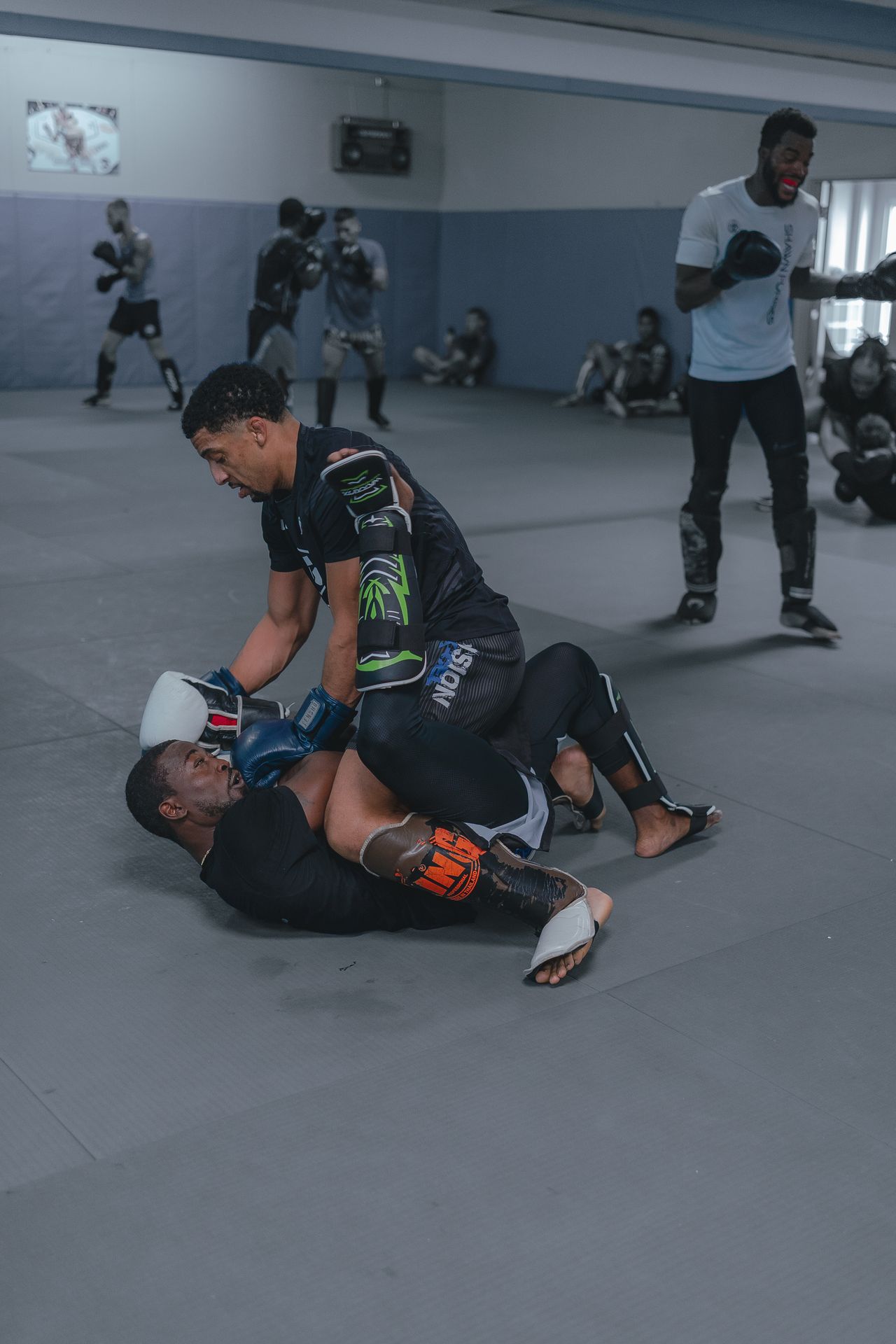
The gym culture in Togo is shaped by limited resources. That does not mean the sport lacks seriousness. It means development often depends on committed coaches, improvised training environments, and athletes who have to combine boxing with work, school, or other obligations. In that setting, the gym becomes more than a training room. It becomes the main institution of the sport. Without large promotional companies or constant television exposure, boxing survives through clubs and personal commitment.
Togo’s amateur boxing pathway is also important, even if it does not receive much international coverage. For countries with smaller professional markets, amateur tournaments can be the most realistic route to visibility. Regional championships, continental events, and Olympic qualification attempts give fighters a way to measure themselves beyond local competition. Even when medals are rare, participation helps establish standards and keeps the country connected to international boxing.
The challenge for Togo is scale. The country needs more consistent competition, better documented records, stronger youth programs, and clearer pathways from local clubs to regional events. It also needs its boxing history preserved more carefully. Fighters from smaller nations are often forgotten quickly because their careers are not covered by large media outlets. For Togo, recording names, fights, clubs, and coaches is part of building a stronger boxing identity.
Still, boxing in Togo has a place. It is a developing scene with history, regional connections, and room to grow. Its future will likely depend less on sudden global stardom and more on steady club development, better organization, and fighters who can use West African competition as a bridge to larger opportunities.
Togolese boxing is not a finished structure. It is a fight culture still being built, one gym and one regional opportunity at a time.