Austria is not one of Europe’s loudest MMA countries, but it is one of the more interesting middle-tier fight markets because its reputation has been built in a specific way. Austrian MMA is not defined by a giant domestic league, a long list of UFC contenders, or a national style that immediately identifies every fighter who comes from the country. It is defined by a smaller but serious competitive ecosystem that has produced real international names, built an organized amateur structure, and used Central Europe’s regional circuit to keep fighters active.
That makes Austria different from the larger MMA powers around it. It does not have Poland’s huge domestic-event culture, Russia’s wrestling and sambo machine, the United Kingdom’s volume of UFC athletes, or Germany’s larger population base. Austria’s MMA scene is narrower, but it has credibility. When Austrian fighters break through, they usually do so with clear foundations: disciplined striking, strong gym loyalty, cross-border competition, and experience against fighters from Germany, the Balkans, Switzerland, Czechia, Hungary, Italy, and the wider European circuit.
Austria’s MMA identity also reflects the country’s geography. Vienna gives the scene a capital-city center. Graz has become important through federation and promotion infrastructure. Salzburg, Linz, Innsbruck, and other regional markets add gyms and fight events without creating a single oversized national scene. The country sits in the middle of Europe, and Austrian fighters often develop by moving between domestic gyms, neighboring countries, and larger international teams once their careers require a higher level of specialization.
The result is a compact MMA scene with a stronger footprint than its size suggests. Austria has produced UFC-level fighters, supported recognizable promotions, and developed a clearer amateur framework than many countries with similar population profiles. It is still not a major MMA power, but it is past the point of being a purely emerging market.
The Combat Sports Base Behind Austrian MMA
Austria’s MMA scene did not appear in isolation. Like most European MMA markets, it grew out of older combat sports that already had clubs, coaches, and competitive habits before modern mixed martial arts became widely accepted. Boxing, kickboxing, karate, judo, wrestling, Brazilian jiu-jitsu, and Muay Thai all play a role, though not equally in every part of the country.
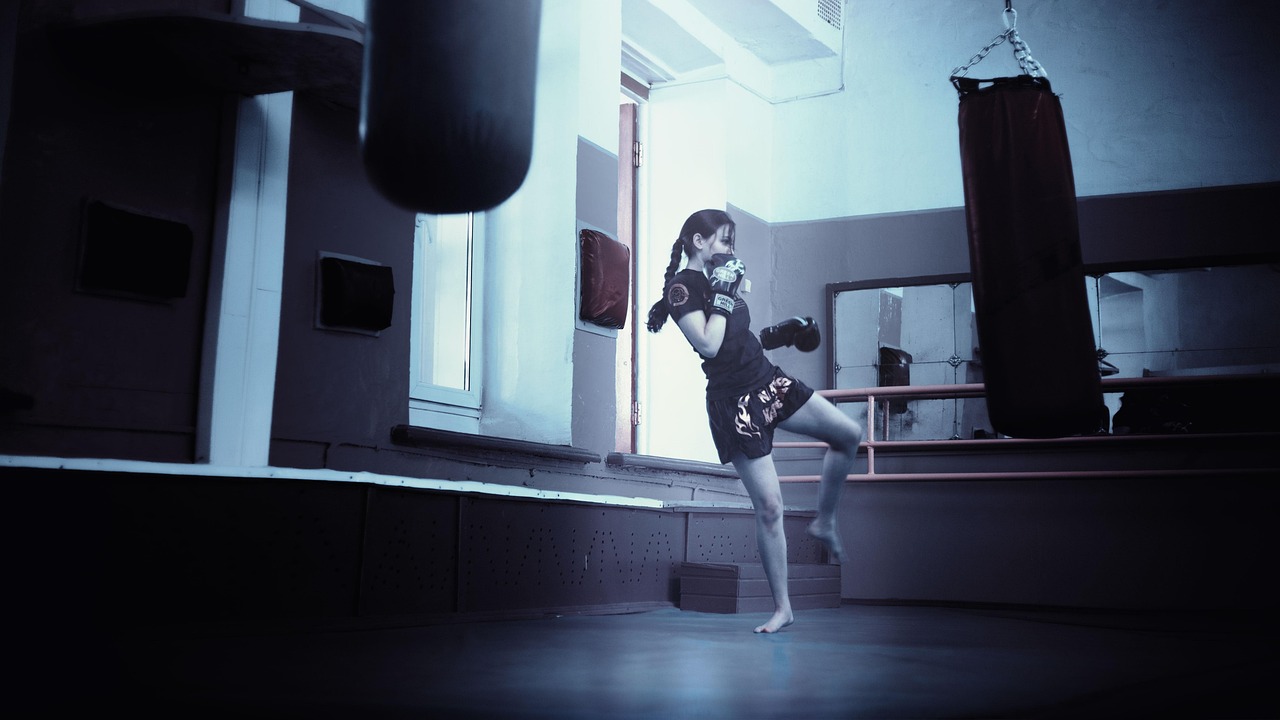
The striking influence is especially visible. Many of Austria’s best-known MMA athletes have been comfortable at range, confident in kickboxing exchanges, and capable of building careers around long weapons, timing, and athleticism. This is not surprising in a region where kickboxing and K-1-style events have often shared space with MMA shows. Austria’s event culture has frequently blended MMA with kickboxing, boxing, and other combat sports on the same cards, creating a mixed fight-night environment rather than a purely cage-fighting identity.
That matters for athlete development. In larger MMA countries, fighters may begin training MMA as a complete sport from a young age. In Austria, many athletes still enter through a single discipline first. A young fighter might start in boxing, judo, wrestling, kickboxing, karate, or BJJ, then add the missing pieces after joining an MMA-oriented gym. That pathway creates uneven but interesting fighters: some are advanced in one phase early, then spend years trying to close gaps in wrestling, cage control, defensive grappling, or submission awareness.
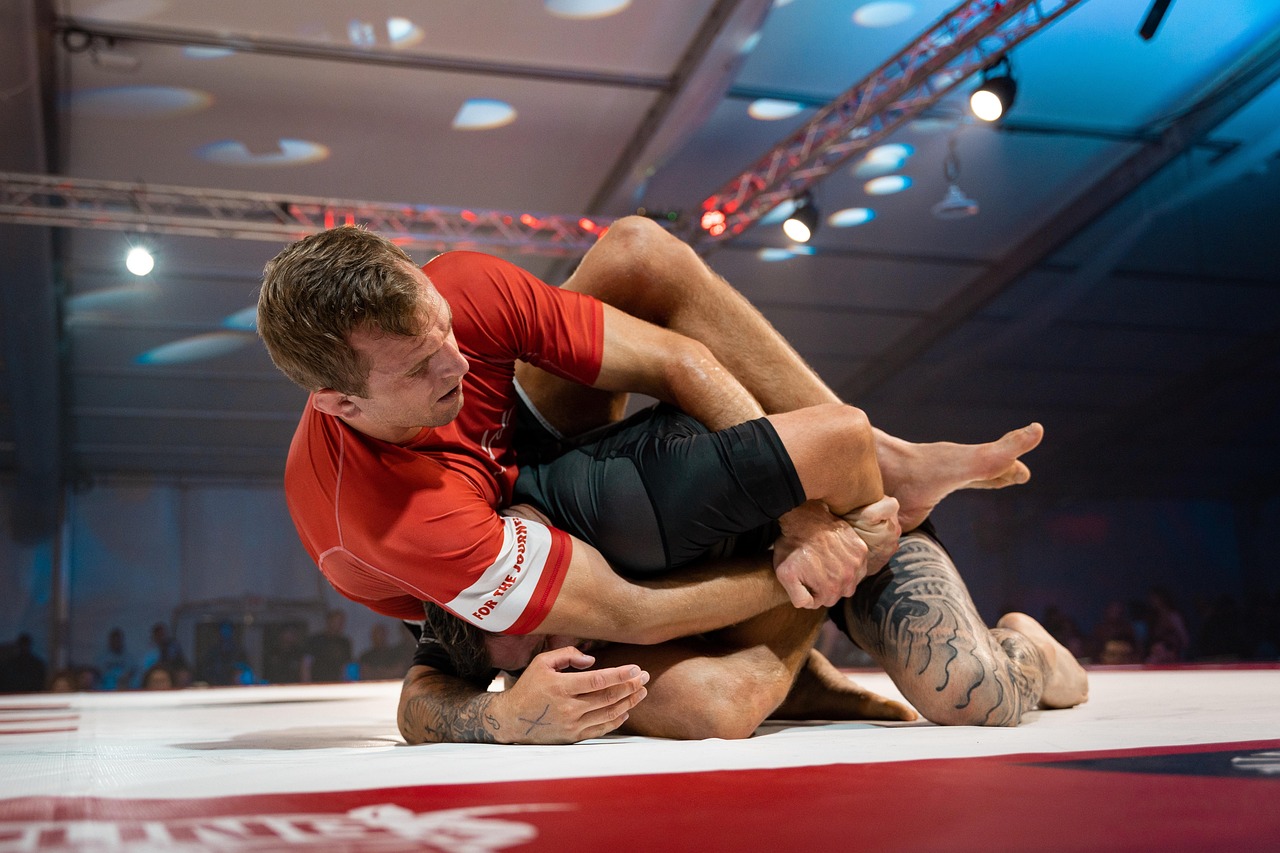
Grappling has become more important as Austrian MMA has matured. Brazilian jiu-jitsu academies, wrestling rooms, and integrated MMA programs now give fighters more realistic preparation than the earlier era, when European MMA athletes often had to assemble their games from separate striking and grappling classes. The current Austrian model is more complete. The best gyms understand that amateur success requires more than toughness and athleticism. Fighters need positional grappling, cage wrestling, takedown defense, ground-and-pound awareness, judging literacy, and the ability to transition between phases without freezing.
Austria’s challenge is depth. The country can produce strong individual fighters, but maintaining a large pool of high-level training partners is harder. A lightweight, welterweight, or light heavyweight prospect may find good coaching locally, but eventually need rounds with different body types and styles. That is why cross-border competition matters so much. Austria’s fighters are not developing inside a closed national bubble. They are part of a Central European MMA web where German, Balkan, Czech, Hungarian, Slovak, Swiss, Italian, and Polish opponents all help set the standard.
Aleksandar Rakić and the Austrian UFC Benchmark
No discussion of MMA in Austria can avoid Aleksandar Rakić. Born in Vienna and strongly associated with Austrian MMA, Rakić became the country’s most visible modern representative in the UFC. His rise gave Austria a true top-level reference point: not just a fighter who reached the promotion, but one who competed in the upper end of the light heavyweight division.
Rakić’s style also fits the Austrian scene in a revealing way. He came into MMA with a striking foundation, using size, reach, kicks, distance management, and physical confidence to build his game. At his best, he showed the profile of a modern European light heavyweight: long, athletic, tactically disciplined, and dangerous when he could keep the fight at his preferred rhythm. His wins over respected UFC names helped establish that Austria could produce more than regional-level fighters.
His career also illustrates the difficulty of staying at the top. Light heavyweight is unforgiving, and the UFC level exposes every technical and physical weakness. Injuries, elite opposition, and career timing all shape how fighters are remembered. But even with setbacks, Rakić remains central to Austria’s MMA story because he moved the ceiling. Before fighters like him, Austria’s MMA identity was mostly regional. After him, the country had a recognizable UFC contender attached to Vienna.
That matters for younger athletes. In a smaller MMA country, one fighter can change the perceived pathway. A prospect training in Vienna, Graz, Linz, or Salzburg can point to Rakić and see proof that an Austrian-based fighter can reach the highest level. That does not mean the path is easy, common, or guaranteed. It means the ceiling is visible.
Rakić also reflects Austria’s international character. Austrian MMA is not a narrow ethnic or stylistic category. Many important figures in the scene have roots, family backgrounds, or training connections that stretch beyond Austria’s borders. That is normal in Central Europe, and it gives the scene a hybrid quality. Fighters may represent Austria while drawing from Serbian, Chechen, Turkish, Balkan, German, or other regional combat-sports networks. The result is a national scene that is Austrian in structure but international in its influences.
Austria’s Broader UFC and International Fighter Line
Rakić is the headline name, but Austria’s MMA identity is not built on one fighter alone. Ismail Naurdiev, often associated with Austria during his rise, added another important layer. Known for dynamic striking and athletic attacks, Naurdiev entered the UFC as a young talent and built a reputation as a dangerous, unpredictable fighter. His career has included multiple international stages, and his association with Top Team Salzburg helped give western Austria a meaningful place in the national MMA conversation.
Mairbek Taisumov is another name often connected to Austria’s MMA story, even though his background and identity are more complex than a simple national label. His career showed how Austria could function as a base for fighters with international roots. That is part of the country’s reality. Austrian MMA is not only about athletes born and developed entirely inside Austria. It is also about gyms, residency, training environments, and regional mobility.
Bogdan Grad represents a more recent Austrian breakthrough. His rise through the Contender Series pathway was significant because it showed that Austria’s next generation could still reach the UFC through the modern scouting pipeline. The Contender Series has become one of the main global routes into the UFC, and fighters from smaller markets need to do more than win locally. They need to look ready for television, pressure, pace, and international matchmaking. Grad’s arrival gave Austrian MMA another active reference point beyond the Rakić era.
There have also been other Austrian or Austria-linked fighters who matter to the country’s broader story, including names who competed internationally without becoming mainstream stars. That group is important because MMA scenes are not built only by the athletes who reach the UFC. They are built by fighters who headline domestic cards, represent gyms abroad, test themselves in regional promotions, and give younger amateurs a realistic ladder to follow.
Austria’s fighter list is not massive, and it should not be treated as if it were. The country has produced quality more than volume. Its best-known fighters have reached high levels, but there is still a gap between having several elite names and having a large, renewable pipeline. That gap is the central question for Austrian MMA’s future.
Vienna, Graz, Salzburg, and the Shape of the Training Scene
Austrian MMA is geographically concentrated but not limited to one city. Vienna is the obvious center because of its population, international connections, and role as the country’s capital. It has the broadest mix of gyms, athletes, media attention, and event infrastructure. For fighters trying to find consistent rounds, different coaching looks, or larger combat-sports communities, Vienna is naturally important.
Graz is also central, especially because of the organizational role connected to Austrian MMA’s amateur structure and the presence of event infrastructure in the region. The city has helped give Austrian MMA a more formal backbone rather than leaving everything to isolated gyms and informal matchmaking. That kind of structure matters in a country where the sport still has to earn institutional trust.
Salzburg’s role is smaller but still meaningful, particularly through fighters and gyms connected to international careers. A city does not need dozens of major fighters to matter. One serious team, one high-level athlete, or one consistent coaching lineage can put a regional market into the national MMA conversation.
Linz, Innsbruck, and other Austrian cities contribute to the broader map through combat-sports gyms, smaller shows, and amateur participation. These markets are especially important for the sport’s base layer. Not every fighter begins in Vienna. Many begin in smaller gyms where the first step is not a professional contract but learning how to spar safely, compete under amateur rules, and build enough discipline to survive the early stages of MMA.
The best Austrian gyms have to solve a difficult problem: they must prepare fighters for a sport that requires complete integration while operating in a country where the elite athlete pool is limited. That means coaching quality matters enormously. Fighters cannot rely on endless depth in the room. They need smart matchmaking, strong fundamentals, responsible sparring, and access to cross-training when necessary.
Austrian prospects who become serious professionals often need to test themselves outside the country. That is not a weakness; it is part of the model. Smaller MMA markets survive by connecting outward. A fighter might train at home, fight in Austria, take bouts in Germany or the Balkans, attend camps abroad, and eventually seek opportunities in larger promotions. The Austrian scene works best when it accepts that international mobility is not optional. It is part of development.
Amateur MMA and the Importance of Structure
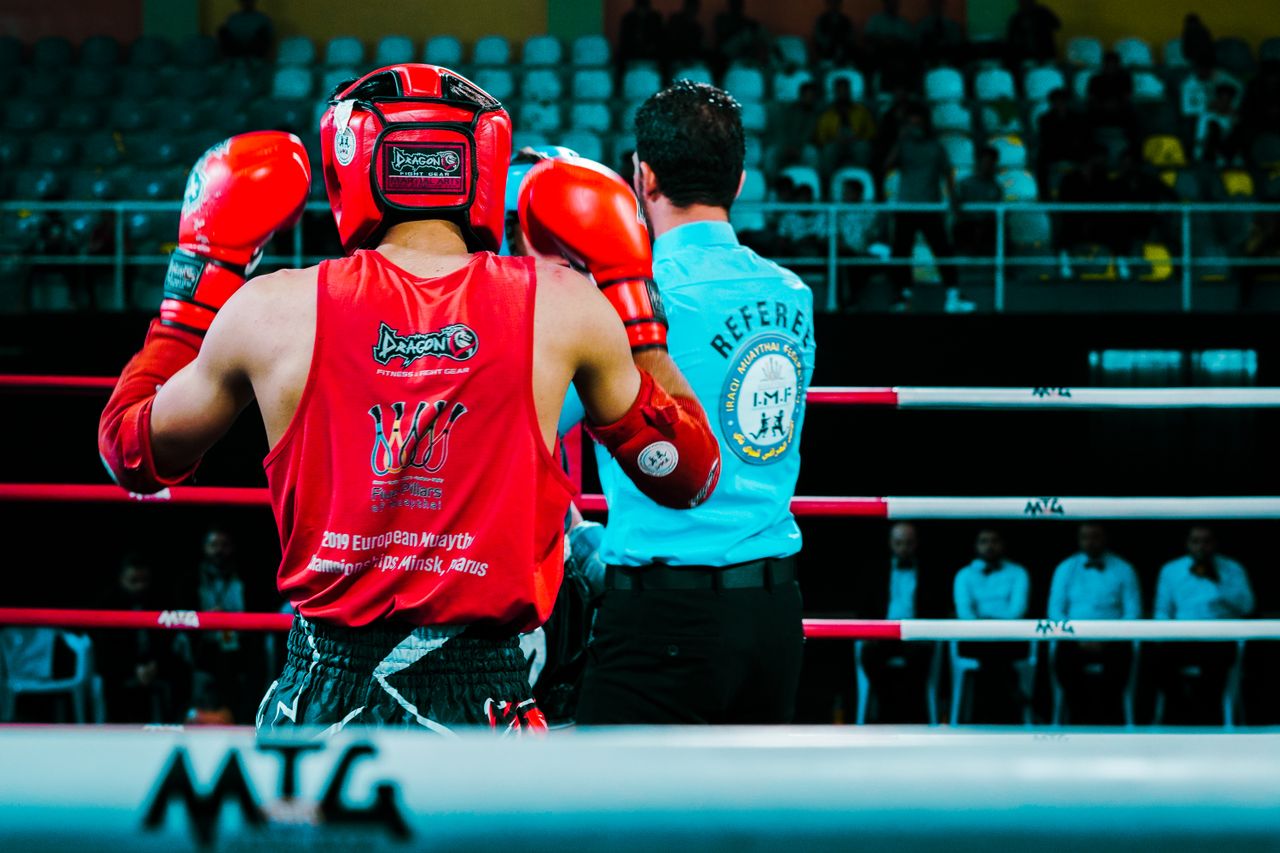
One of the most important developments in Austrian MMA has been the growth of a more organized amateur system. Amateur MMA is where smaller countries can close the gap with larger markets. Professional stars attract attention, but amateur structure creates repeatability. It gives young fighters rules, rankings, coaches, officials, safety standards, and a clearer path from first competition to national representation.
The Austrian Mixed Martial Arts Federation has become a key part of that process. Its role is not just symbolic. A functioning federation can help standardize competition, educate officials, support national teams, and connect Austrian athletes to the broader IMMAF environment. For a country like Austria, that matters because the amateur route offers international experience before fighters turn professional too early.
The distinction between amateur and professional MMA is especially important in smaller scenes. Without an amateur ladder, young fighters can be rushed into professional bouts before they understand pacing, weight management, rules, judging, or the emotional strain of competition. That can damage careers quickly. A better amateur system allows fighters to lose, adjust, and improve without carrying professional record damage from every developmental mistake.
Austria’s amateur system also helps gyms measure themselves. If a team is regularly producing athletes who can compete under recognized rules, then the coaching is easier to evaluate. If Austrian amateurs can win or medal internationally, that gives the country more credibility than hype alone. It also encourages clubs to professionalize their training methods instead of relying on hard sparring and local reputation.
The future of Austrian MMA may depend more on this amateur layer than on any single UFC fighter. Stars are unpredictable. Development systems are more controllable. If Austria can keep building youth participation, coach education, officiating standards, and national-team experience, it can produce a deeper generation of professionals over time.
Promotions, Fight Nights, and the Central European Circuit
Austria’s event scene is not as large as the biggest European MMA markets, but it is active and increasingly visible. Promotions such as Cage Fight Series and Vendetta Fight Nights have helped create platforms for Austrian and regional fighters. These shows matter because they give athletes something between the gym and the international stage. Without that middle layer, fighters either stay inactive or take risky opportunities abroad before they are ready.
Cage Fight Series has been especially important because of its Central European identity and its connection to UFC Fight Pass. For a regional promotion, visibility matters. A fighter competing on a streamed platform has a better chance of being noticed by managers, matchmakers, and larger organizations. It also gives local athletes a sense that domestic or nearby competition can connect to something bigger.
Vendetta Fight Nights has helped Vienna maintain a visible place in Austria’s combat-sports calendar. Its cards often reflect the mixed nature of the Austrian scene, with MMA appearing alongside other fight disciplines. That can be useful commercially because it broadens the audience. Some fans may come for kickboxing, boxing, or spectacle, then become more familiar with MMA over time.
The Austrian regional circuit also depends on matchmaking across borders. A domestic-only scene would quickly become too small. By bringing in fighters from nearby countries and sending Austrian athletes abroad, the level rises. Central Europe gives Austria a useful competitive environment: close enough for travel, diverse enough for style matchups, and active enough to keep prospects from fighting the same opponents repeatedly.
This is one of Austria’s quiet strengths. It does not need to become an isolated MMA superpower to produce good fighters. It needs to remain connected to a healthy European circuit. If Austrian promotions continue to offer credible shows, if amateur events keep growing, and if fighters can move between domestic and international opportunities, the country can sustain a respectable MMA ecosystem.
Fan Culture and MMA’s Place in Austrian Sport
MMA in Austria still sits behind the country’s traditional sporting interests. Football, skiing, winter sports, tennis, and other established competitions occupy much more mainstream space. MMA does not have the same national saturation. It remains a combat-sports niche, though a serious one.
That niche status affects how the sport is covered and consumed. Austrian MMA fans are often dedicated rather than casual. They follow UFC names, local fight nights, gym-level prospects, and European promotions. The audience is not necessarily massive, but it is knowledgeable enough to support real events. As in many European countries, the UFC acts as the entry point for casual attention, while domestic shows serve the core fan base.
The presence of Austrian fighters in the UFC changes the fan conversation. When Rakić fights, or when Naurdiev or Grad appears on a major card, Austrian MMA becomes easier to explain to casual sports fans. The sport suddenly has national reference points. That kind of visibility cannot be replicated by local events alone. It gives the scene a reason to appear in broader sports coverage.
Still, Austrian MMA’s long-term growth will depend on whether it can build beyond occasional star moments. A strong scene needs amateur events, regular local shows, safe gyms, experienced coaches, and athletes who can make incremental progress. Fans are more likely to follow the sport when there is continuity: prospects returning to cards, local rivalries, national championships, and fighters moving from amateur success to professional opportunities.
Austria has enough ingredients for that continuity. It has recognizable fighters, active promotions, a federation structure, and a geographic position that connects it to multiple fight markets. The question is not whether MMA exists in Austria. It clearly does. The question is how much bigger and more professional the scene can become without losing the gym-level foundation that made it viable.
The Future of MMA in Austria
Austria’s MMA future is likely to be steady rather than explosive. The country is not positioned to suddenly become one of the world’s biggest MMA markets, but it can become a reliable European producer of well-trained fighters. That is a realistic and valuable identity.
The next stage depends on depth. Austria has already shown that individual fighters can reach the UFC and compete internationally. The harder task is producing more of them across multiple weight classes and generations. That requires a larger amateur base, better youth development, more high-quality coaching, and enough regional events to keep fighters active.
The amateur system may be the most important piece. If young athletes can compete safely and often before turning professional, Austria will avoid one of the common problems in small MMA markets: fighters going pro too soon because there are not enough developmental opportunities. A stronger amateur culture gives the sport patience.
Promotions also need to keep serving the middle of the pyramid. The UFC is not a development league. Most Austrian fighters will need years of regional experience before they are ready for a major international call. Shows in Vienna, Graz, and other cities can provide that bridge, especially when they attract opponents from across Central Europe.
The country’s best path is not to copy larger MMA nations. Austria should not try to pretend it has the depth of the United Kingdom, the domestic spectacle of Poland, or the grappling pipeline of Dagestan. Its strength is more specific: a compact but serious Central European scene with credible gyms, active amateur organization, recognizable international fighters, and access to cross-border competition.
That identity gives Austria a clear place in world MMA. It is not a giant, but it is not a blank spot. It is a country capable of producing high-level fighters, supporting real events, and building a stronger development system year by year. For Austrian MMA, the next breakthrough will matter, but the deeper story is the infrastructure underneath it. The more that structure matures, the less Austria’s MMA reputation will depend on one name at a time.