MMA in Eswatini is still closer to a beginning than a mature national scene. The country does not yet have the kind of internationally visible fighter pipeline found in South Africa, Nigeria, Angola, or parts of North Africa, and there is no deep list of Swazi-born fighters in major promotions. Its MMA identity is therefore best understood as grassroots, regional, and developmental.
Eswatini’s geography shapes that reality. The country is small, landlocked, and bordered almost entirely by South Africa, with Mozambique on its eastern side. That location gives Eswatini access to larger regional sporting markets, but it also means that ambitious combat athletes often need to look outward for competition, deeper coaching pools, and regular fight opportunities.
The searchable MMA record is limited. Tapology’s nationality page for Eswatini lists only a small group of fighters, many with little or no recorded professional activity, including names such as Chawe Gamedze, Farid Abdulagh, Khaya Shongwe, Khayelihle Mkhabela, Manu Molinier, Mukelo Dlamini, Sibonelo Ndzimande, Sibongiseni Shongwe, and Siphamandla Magaya Veliswa. That kind of list suggests a scene that exists, but not yet one with a large verified fight database or established professional structure.
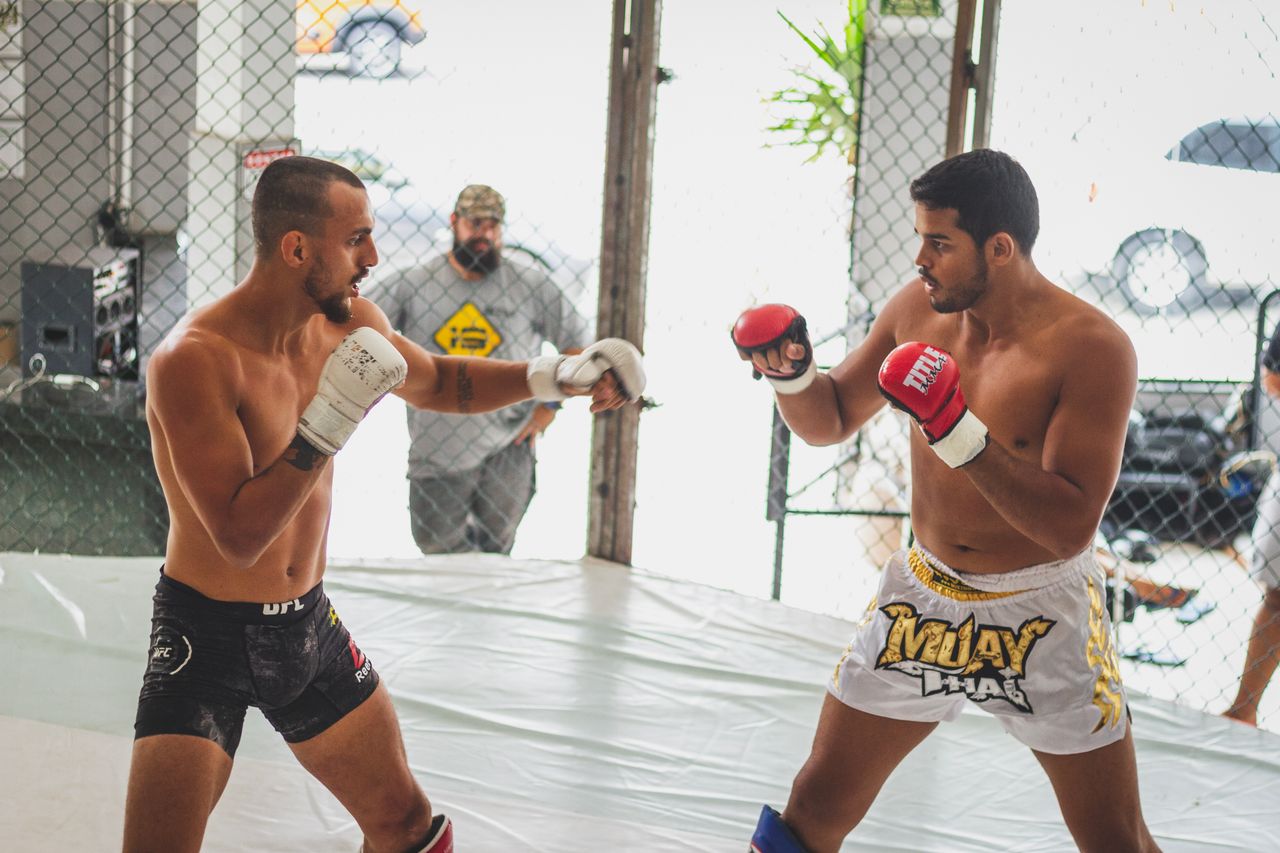
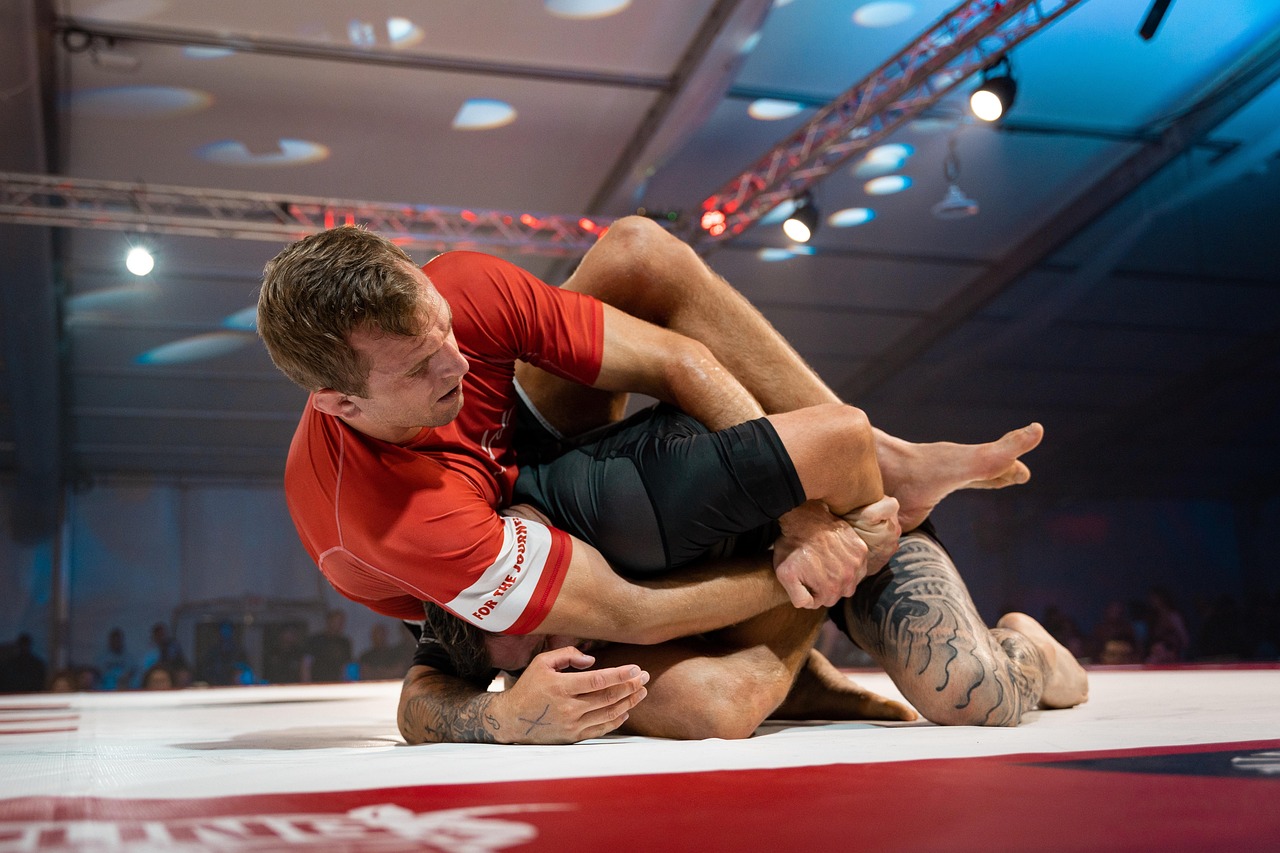
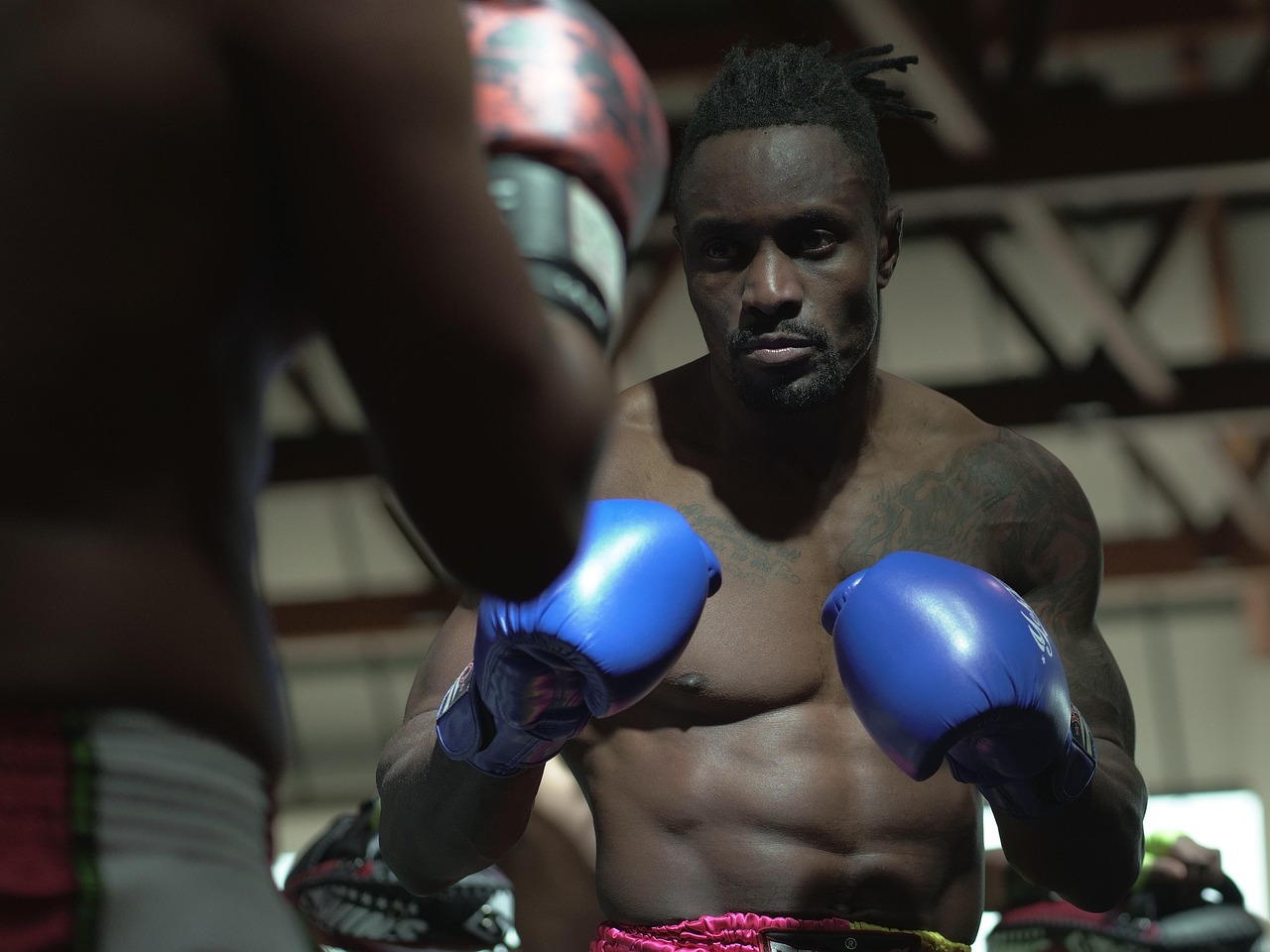
For that reason, MMA in Eswatini should not be described as a hidden powerhouse. The better reading is that it is a small combat-sports market where MMA depends on individual gyms, martial arts instructors, fitness clubs, and athletes willing to cross-train. In countries at this stage, development usually begins with boxing, kickboxing, karate, taekwondo, judo, wrestling, and Brazilian jiu-jitsu being blended gradually rather than through a fully formed MMA academy system.
South Africa is the obvious regional reference point. EFC has long been the most visible MMA promotion in Southern Africa, and South African gyms have produced fighters who reached global promotions. For Eswatini athletes, that neighboring infrastructure matters. A promising fighter from Mbabane, Manzini, or another local center would likely need regional competition in South Africa to build a serious record. The path is less “dominate the local circuit” and more “train locally, test regionally, and build visibility through Southern African cards.”
The fan culture is also still forming. MMA awareness tends to spread through UFC broadcasts, social media highlights, boxing interest, self-defense training, and regional combat-sports networks before it becomes a stable live-event product. In Eswatini, the likely early audience is not a large professional MMA crowd but a mix of boxing fans, fitness trainees, martial arts students, and younger sports fans already familiar with UFC and African MMA names.
The key long-term question is whether Eswatini can move from scattered participation to structured development. That would mean more regular amateur events, clearer coaching standards, safer matchmaking, and stronger links to recognized African MMA bodies. The rise of broader African MMA investment, including increased attention from international promotions, could eventually help smaller markets by giving fighters more visible regional targets.
For now, Eswatini’s MMA profile is modest but real. It belongs in the category of small African scenes where the sport is still being assembled from the ground up. The country’s future in MMA will depend less on immediate star power and more on whether local gyms, regional promoters, and cross-border competition can give athletes a reason to stay active long enough to become credible professionals.