MMA in Nairobi is an emerging scene built on athleticism, striking culture, and the gradual expansion of organized combat-sports training in East Africa. Kenya is globally associated with distance running, but Nairobi’s sports identity is broader than that. The city has boxing gyms, martial arts clubs, strength and fitness communities, and a young population increasingly exposed to global MMA through digital media. The result is a scene that is still early, but not empty.
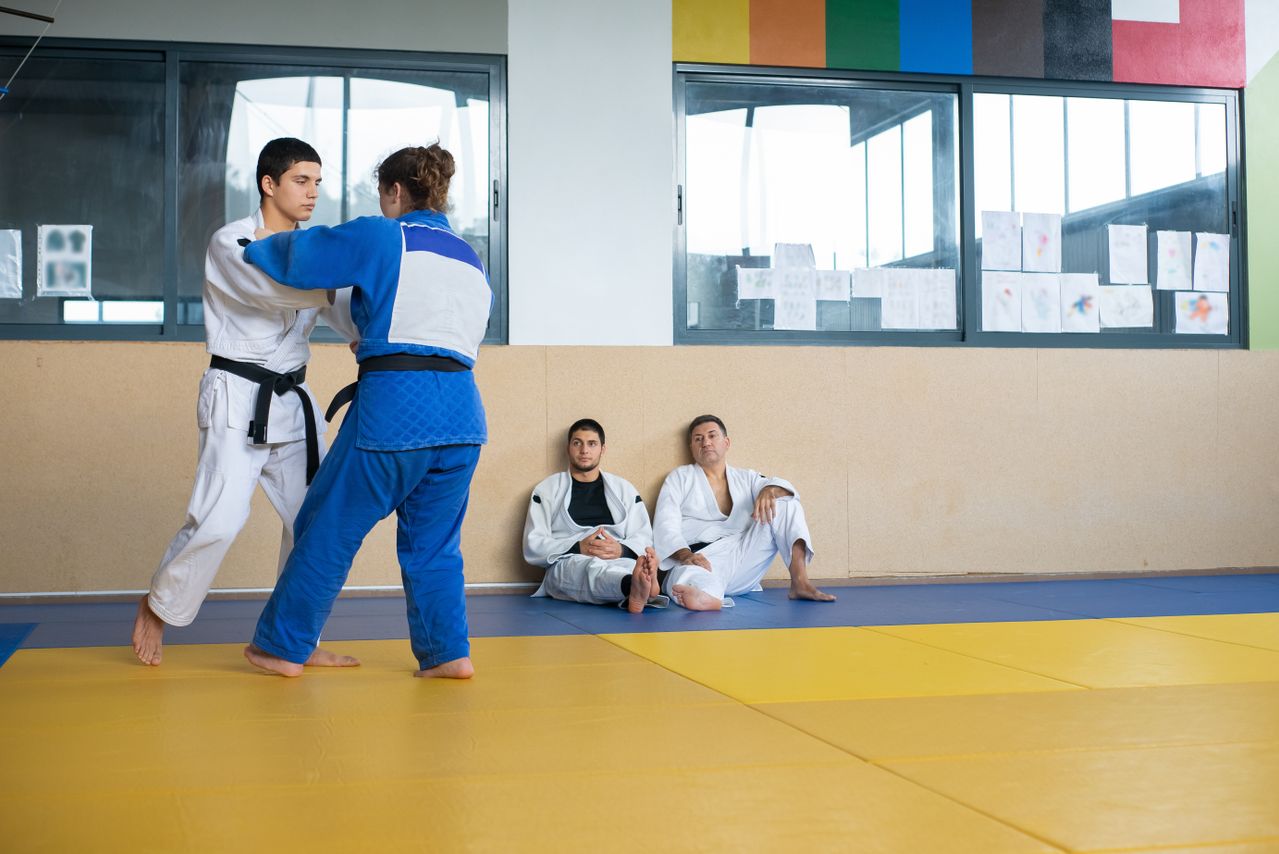
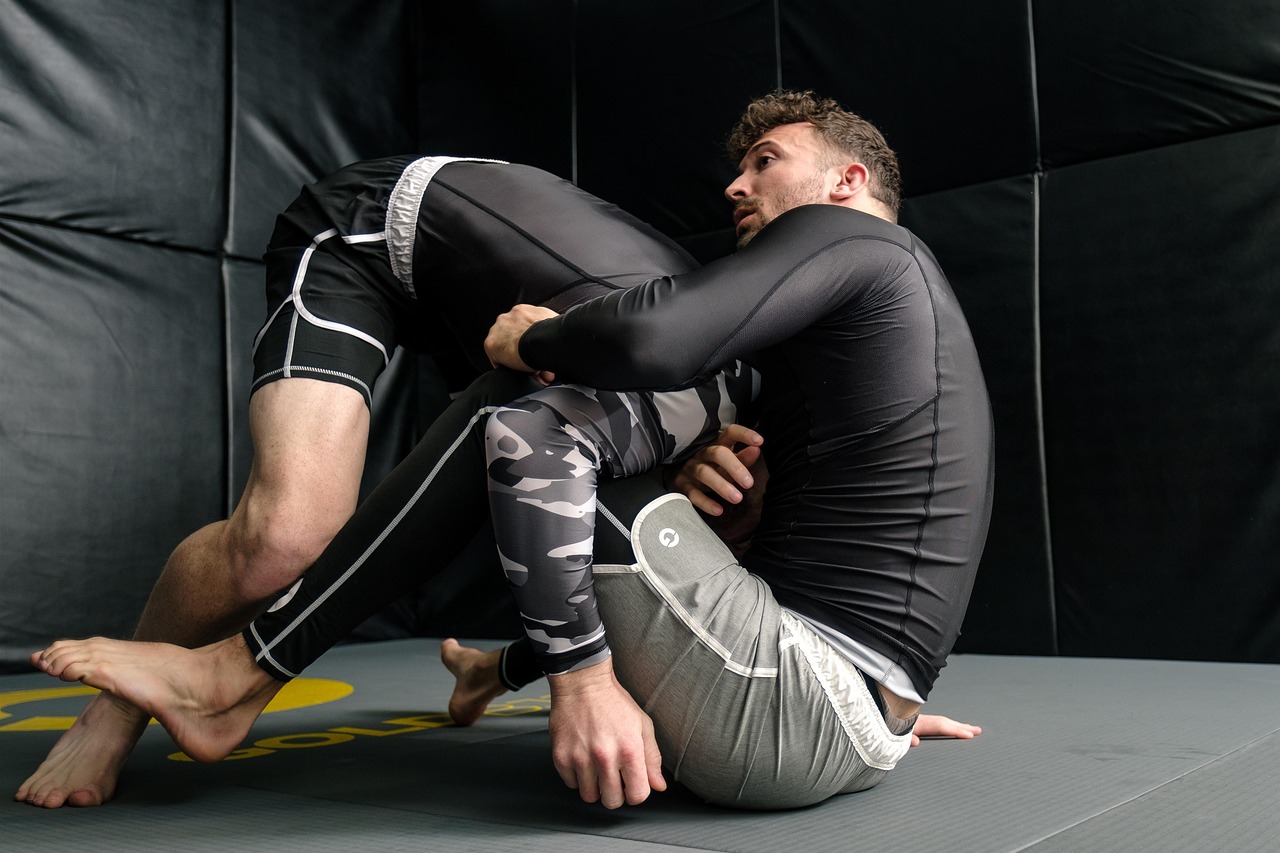
Nairobi’s MMA foundation comes through older combat sports first. Boxing has been one of the clearest pathways because it gives athletes a familiar competitive structure and a direct striking base. Kickboxing, karate, taekwondo, judo, and other martial arts also contribute to the city’s talent pool. Wrestling and Brazilian jiu-jitsu are the harder pieces to scale, and that is a common issue in emerging MMA markets. A city can produce tough strikers and strong athletes, but MMA development requires enough grappling depth to prepare fighters for the cage.
That is one of Nairobi’s central challenges. The raw material is there. Kenyan athletes are known for endurance, discipline, and physical resilience, and Nairobi has enough urban scale to support specialized training. But MMA requires infrastructure that takes time to build: coaches with complete MMA knowledge, safe sparring environments, amateur matchmaking, referees, judges, medical standards, and promotions that can give fighters regular experience. Without those systems, talented athletes often have to look abroad or rely on uneven regional opportunities.
Still, Nairobi matters because it can become a regional anchor. East African MMA does not yet have the same international profile as West African boxing or South African combat sports, but the region has obvious potential. Nairobi’s position as a major city, business center, and travel hub gives it advantages. If MMA grows across Kenya, Uganda, Tanzania, Rwanda, and Ethiopia, Nairobi could become one of the places where fighters gather for better coaching, bigger events, and stronger regional cards.
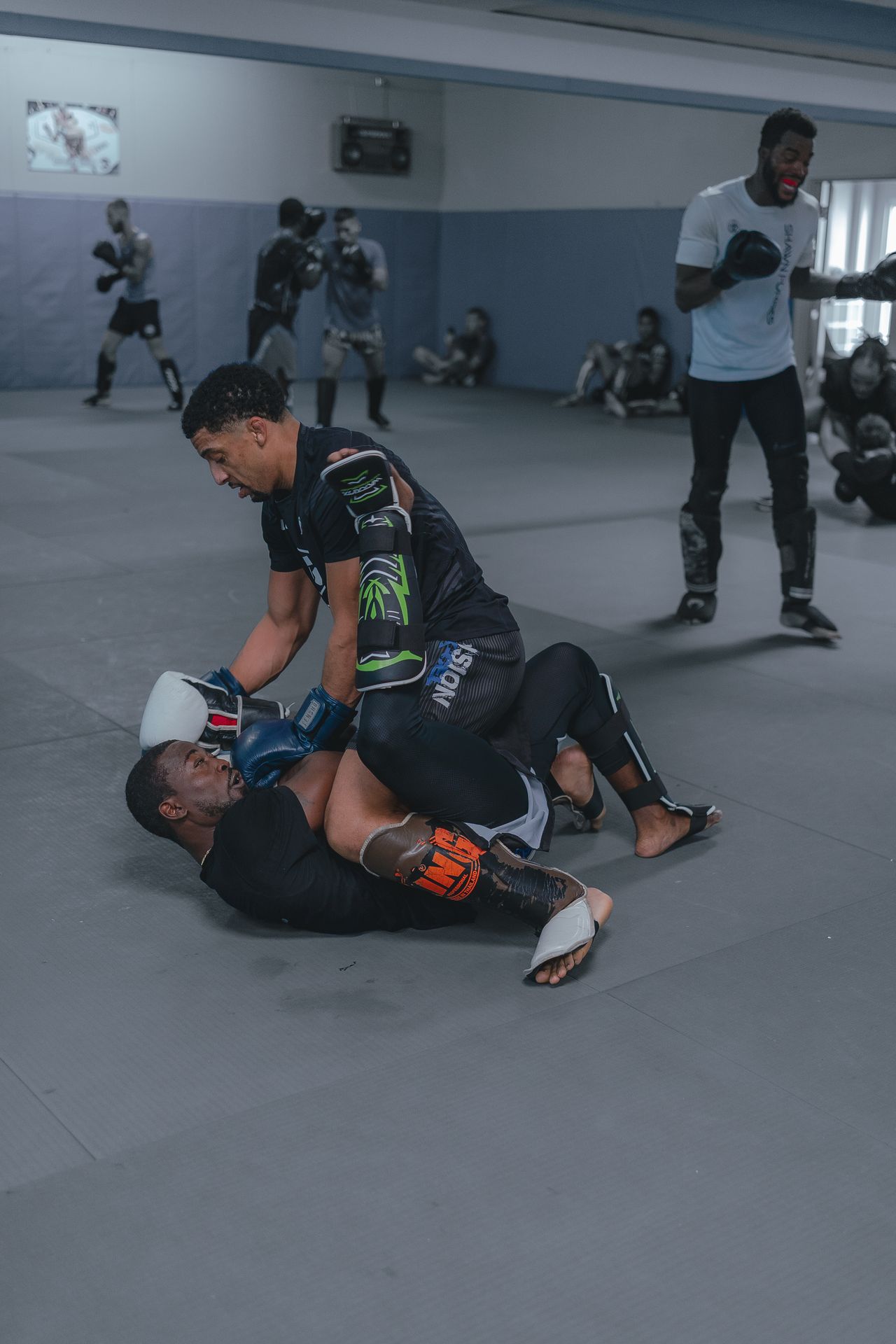
The fighter pathway in Nairobi is likely to be mixed. Some athletes may begin with boxing or kickboxing and later add grappling. Others may come through karate, taekwondo, judo, or general fitness before discovering MMA. The most advanced prospects will need access to BJJ, wrestling, cage control, and full MMA sparring. That is where international partnerships, visiting coaches, seminars, and regional promotions can make a major difference. A few good gyms can change the trajectory of a scene if they build complete fighters rather than only offering fitness-based martial arts classes.
Fan culture is growing through global visibility. UFC highlights, African fighters in major promotions, and the success of athletes with African heritage have made MMA feel more reachable to younger fans across the continent. Nairobi’s audience does not need to be taught that combat sports are exciting. The bigger task is connecting international interest to local fighters and live events. Once fans can follow athletes from Nairobi gyms into regional shows, the sport becomes more than something watched online.
Nairobi’s MMA future is promising but still infrastructure-dependent. The city is not yet a major international MMA producer, and it should not be described that way. Its importance lies in what it could become: a serious East African training and competition center if coaching, grappling, promotions, and athlete development continue to mature. The scene’s next step is not hype. It is repetition: more gyms, more amateur bouts, more complete coaching, and more fighters gaining experience against credible regional opposition.