Iceland’s MMA identity is built around one great breakthrough name, one influential gym culture, and a national sporting environment that makes the country far more interesting than its population size suggests. Iceland is not a large MMA market. It does not have the fighter volume of Brazil, the United States, Russia, or the United Kingdom. What it has is a distinctive grappling-centered identity shaped by Gunnar Nelson, Mjölnir, and a small but serious training culture in Reykjavík.
Gunnar Nelson is the central figure in Icelandic MMA. A UFC welterweight with a Brazilian jiu-jitsu black belt under Renzo Gracie, Nelson gave Iceland a legitimate place on the global MMA map. His fighting style has always stood apart from the pressure-heavy wrestling or wild striking often associated with smaller-market prospects trying to get noticed. Nelson built his reputation on calm movement, karate-influenced distance control, back takes, and submissions. His game made Icelandic MMA feel technical, composed, and unusually polished.
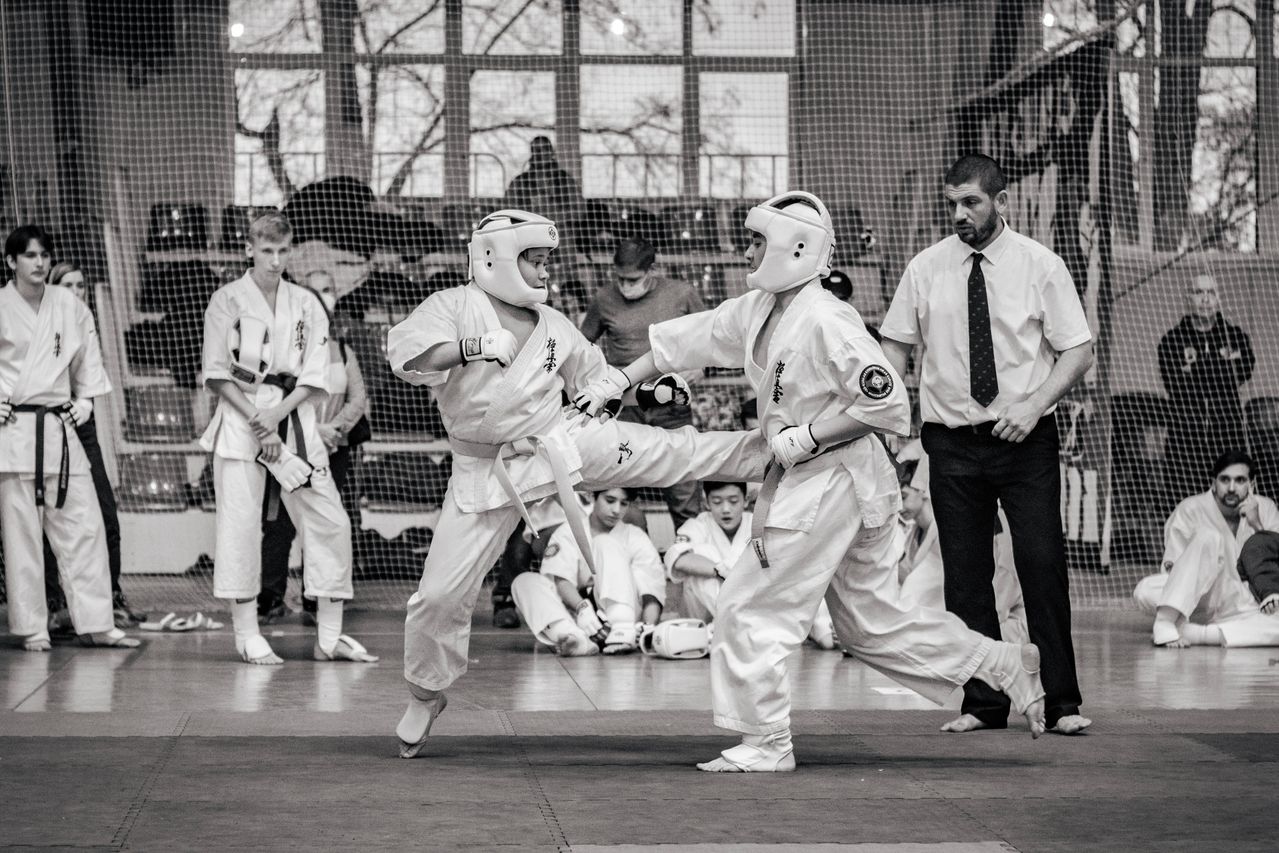
Nelson’s background is important because it links Icelandic MMA to several traditions at once. He began with karate, developed deeply in Brazilian jiu-jitsu and submission grappling, trained under major international coaches, and became associated with both Mjölnir in Iceland and SBG Ireland. That connection with SBG mattered during the rise of Conor McGregor and the broader European MMA boom. It placed Iceland close to one of the most visible teams in the sport while still allowing Nelson to represent Reykjavík and Icelandic training culture.
Mjölnir became the anchor of that culture. For a small country, having a recognizable home gym is essential. Without dozens of regional promotions or a huge amateur scene, the gym becomes the center of identity. It is where beginners encounter MMA, where grapplers and strikers cross-train, where visiting athletes can connect with the local scene, and where Iceland’s serious competitors can measure themselves against international standards. Mjölnir’s role has been larger than a normal gym because Icelandic MMA does not have a wide institutional structure around it.
The broader Icelandic athletic environment also helps explain why the country can matter despite its size. Iceland has a strong culture of physical training, strength sports, outdoor endurance, and disciplined recreational athletics. That does not automatically create MMA fighters, but it creates people who understand hard training. The missing piece is usually competitive depth. A young Icelandic fighter needs enough sparring partners, enough amateur bouts, enough wrestling rounds, and enough exposure to different styles. In a small country, that often means traveling.
That travel reality shapes the Icelandic pathway. Fighters may begin in Reykjavík or Akureyri, but they often need camps in Ireland, mainland Europe, the United Kingdom, Scandinavia, or the United States to sharpen their game. This is not a weakness unique to Iceland. Many small MMA countries operate this way. The difference is that Iceland has already proven, through Nelson, that a fighter can come from its environment and compete credibly at the highest level.
The Icelandic scene beyond Nelson has remained modest. That is the honest reading. Iceland has not yet become a steady UFC pipeline, nor does it have a large professional circuit. But the country does have a clearer MMA identity than many larger places because that identity is specific: technical grappling, strong gym culture, international training links, and a calm, disciplined approach to fighting.
The next stage for MMA in Iceland depends on whether Nelson’s influence becomes generational. If more young athletes move from BJJ, karate, boxing, kickboxing, and strength training into full MMA, Iceland can continue producing capable fighters even without a large domestic schedule. The ceiling is not mass production. The ceiling is quality. Icelandic MMA will probably remain small, but small does not mean shallow when the right coaches, gyms, and international pathways are in place.