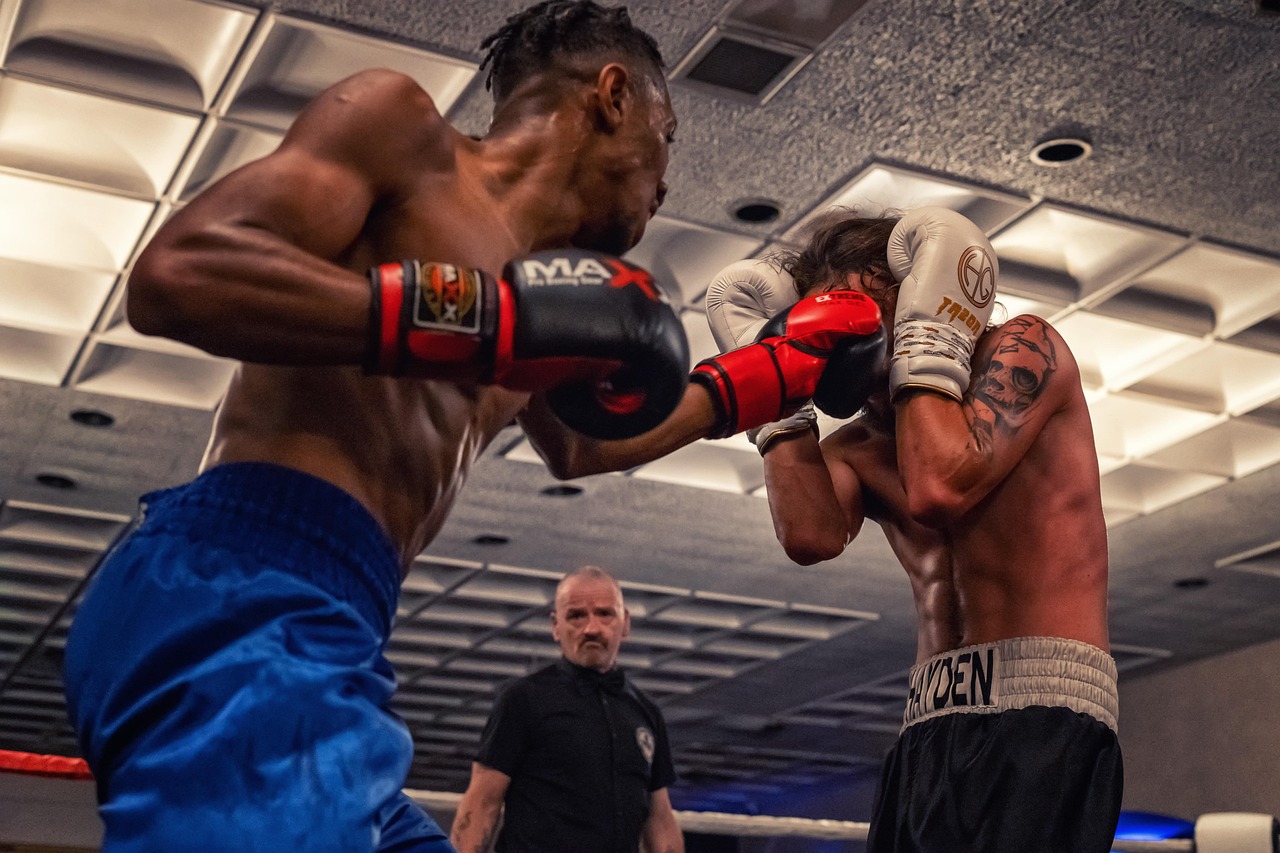
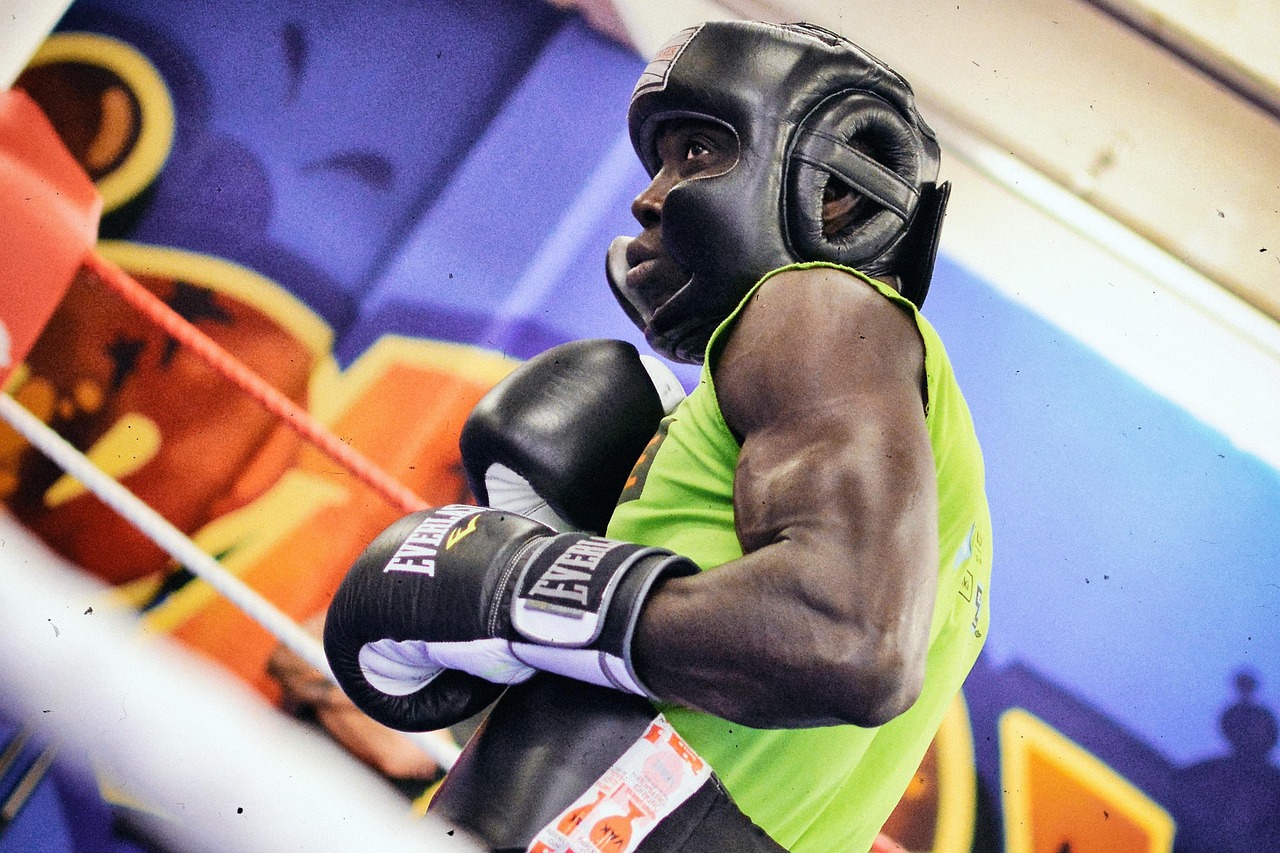
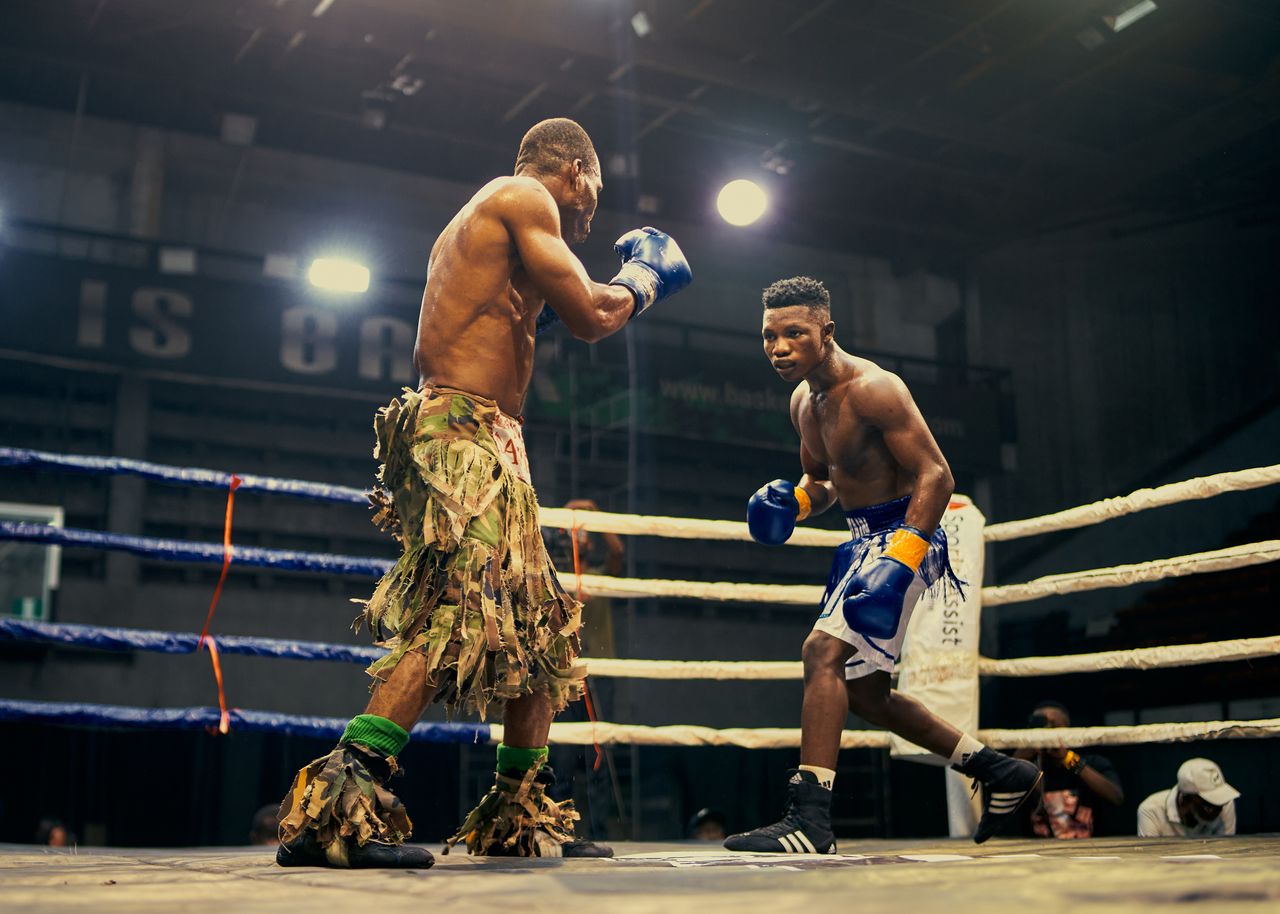
Cambodia’s MMA identity is built around Kun Khmer first. Unlike countries where MMA grows out of wrestling rooms or Brazilian jiu-jitsu academies, Cambodia’s modern cage-fighting story begins with one of Southeast Asia’s most important striking traditions. Kun Khmer, also known as Pradal Serey, is a Cambodian stand-up combat sport centered on punches, kicks, elbows, knees, and clinch fighting. That gives Cambodian fighters a natural base for aggression, rhythm, balance, and close-range striking, but it also creates the central technical question for Cambodian MMA: how quickly can elite strikers develop the grappling, wrestling, and cage skills needed for full mixed martial arts?
The country has already produced recognizable MMA figures, especially through ONE Championship. Chan Rothana remains one of the most important names in Cambodian MMA. ONE’s athlete profile notes that Rothana began competing in Kun Khmer at 17, competed more than 90 times, earned a black belt in taekwondo, and later moved into mixed martial arts after targeting the ONE Championship stage. His career matters because he represented a very Cambodian version of MMA development: traditional striking experience first, then adaptation to takedown defense, scrambling, submissions, and cage movement.
Rothana’s appeal was never just statistical. He gave Cambodian fans a fighter whose style looked familiar enough to feel local but modern enough to compete internationally. ONE has described him as a Cambodian Kun Khmer warrior, and his 2019 fight with Gustavo Balart showed the kind of pressure, durability, and striking exchanges that made him a visible figure for the country’s MMA audience. Tapology lists Rothana as a Phnom Penh-based professional with a 7-5 record and Selapak affiliation, with a foundation style that includes Yutakhun Khom and Kun Khmer.
Cambodia’s women’s MMA story also runs through Kun Khmer. ONE highlighted Nou Srey Pov’s victory over Rika Ishige in 2019 as one of the major Cambodian wins in the promotion, describing how her striking, clinch strength, and ability to resist grappling pressure helped her win on the global stage. Sovannahry Em, a Cambodian-American athlete born in Long Beach, added a diaspora dimension to the country’s MMA identity. ONE lists her as a former ONE athlete of Cambodian descent, which matters because Cambodian MMA is not only developing inside Cambodia. It is also shaped by Cambodian communities abroad, especially in places with stronger gym infrastructure.
The institutional side of Cambodian MMA is still relatively young. The Cambodian Mixed Martial Arts Federation says it launched on October 23, 2018, with the goal of developing MMA in Cambodia while also preserving and promoting the country’s traditional martial arts. That mission captures the balancing act. Cambodia does not need to abandon Kun Khmer to become better at MMA. It needs to build around it, adding wrestling, Brazilian jiu-jitsu, cage work, strength training, judging education, and safe amateur competition.
Recent developments suggest a more organized future. In 2024, Cambodia selected 20 fighters to represent the country at the Asian MMA Championship, a useful sign that the sport is moving beyond individual pioneers into national-team-style development. Phnom Penh also hosted the 2nd Asian Mixed Martial Arts Championship in July 2024, and Cambodian officials announced plans for an annual mixed Khmer traditional martial arts competition that could include national and foreign fighters.
Cambodia’s MMA ceiling will depend on how well it connects its striking heritage to modern grappling systems. The country has a real combat-sports identity, a recognizable traditional base, and a few fighters who have already shown that Cambodian athletes can compete internationally. What it still needs is depth: more gyms that teach full MMA, more amateur rounds, more women’s participation, and more fighters who can survive every phase of a bout. Cambodia is not yet a major MMA power, but it has something many small scenes lack: a clear native fight culture that can give its athletes a distinct style.