MMA in Guatemala is best understood as a small Central American scene with a larger identity than its domestic infrastructure alone suggests. The country has not become a major international MMA exporter, and it does not have the same event volume as Mexico, Brazil, Argentina, or the strongest U.S. Latino fight markets. Still, Guatemala has a real place in the sport through a mix of local gyms, regional amateur development, Latin American fight circuits, and diaspora representation. Its MMA identity is not built around depth yet. It is built around visibility, cross-border opportunity, and the slow conversion of older combat-sports traditions into modern cage fighting.
The most recognizable name tied to Guatemala in major MMA is Chris “El Guapo” Gutierrez, the UFC bantamweight associated with both Guatemalan and Colombian heritage. Gutierrez was born and developed in the United States rather than Guatemala, but for many Guatemalan MMA fans, that distinction is less important than representation. A fighter carrying Guatemalan identity into the UFC gives the country a reference point in a sport where national symbols matter. Gutierrez’s career also fits the broader pattern for many smaller MMA nations: the first internationally visible figures often come through diaspora pathways, U.S. gyms, or hybrid national identities before the domestic system is strong enough to produce UFC-level athletes consistently. UFC lists Gutierrez as a bantamweight athlete, while ESPN identifies him with Factory X Muay Thai, one of the U.S. gyms most associated with his professional development.
Inside Guatemala, MMA is more developmental than established. Tapology lists a broad pool of fighters connected to Guatemala, but much of the record base is amateur, early-career, or regionally limited rather than filled with high-profile international veterans. That matters because it shows both activity and scale. Guatemala has athletes entering MMA, but the sport is still building the competitive ladder that allows a prospect to move from local debut to regional contender to major-promotion signing. In stronger MMA countries, that ladder is visible through regular promotions, established teams, manager networks, and amateur championships. In Guatemala, the pathway is narrower and more dependent on regional matchmaking opportunities.
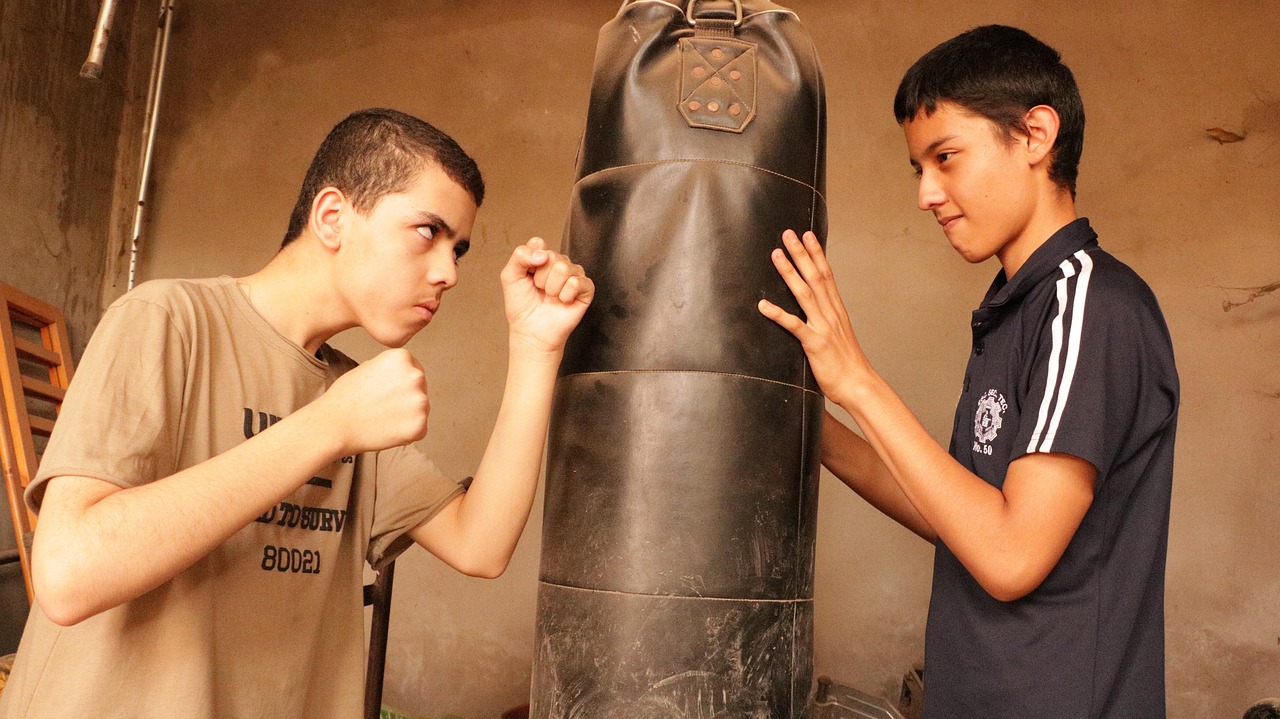
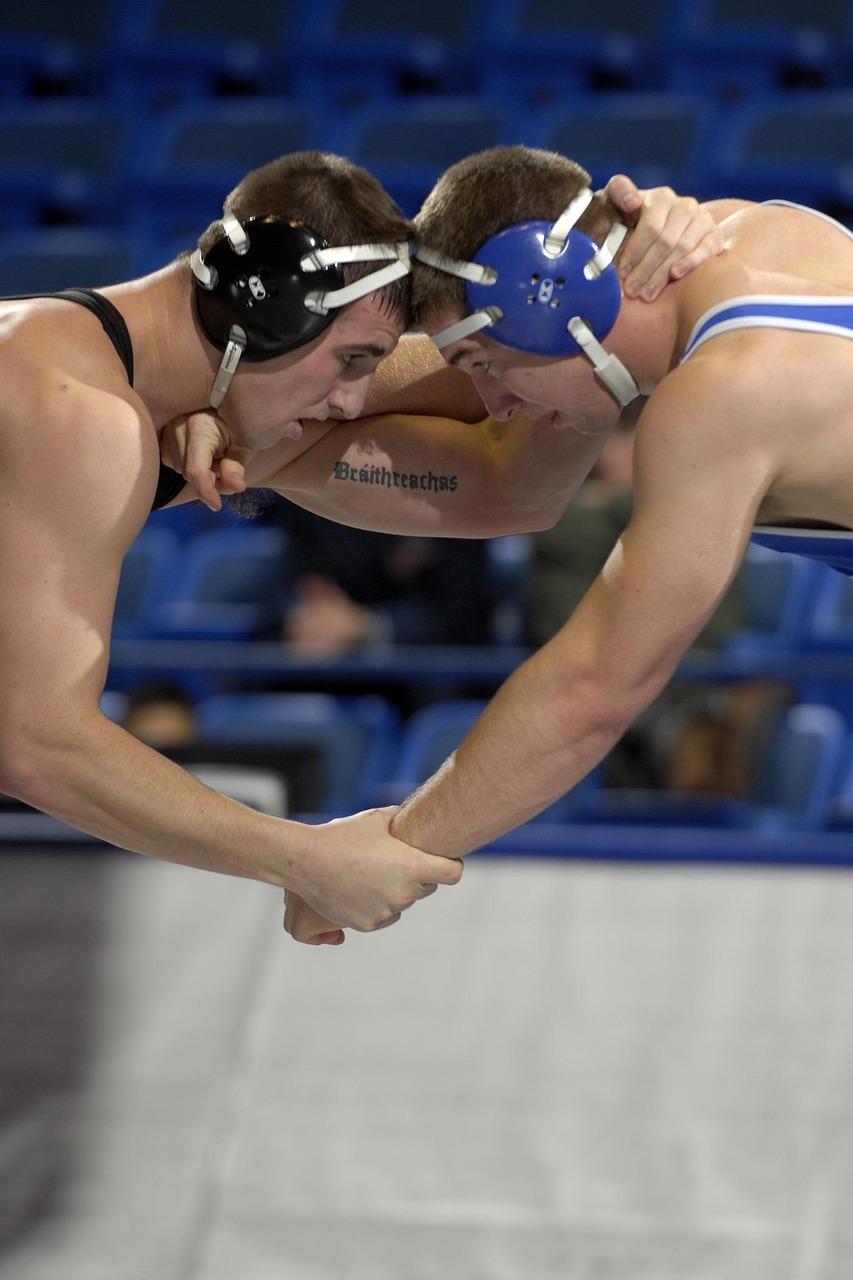
The country’s combat-sports base helps explain why MMA has room to grow. Boxing has long been the most familiar professional fight sport across much of Central America, while karate, taekwondo, kickboxing, jiu-jitsu, and self-defense-based martial arts have provided training entry points for younger athletes. MMA asks those athletes to become complete in a way that older single-discipline systems do not. The Guatemalan fighter who starts in striking eventually needs wrestling defense, cage awareness, submission grappling, and conditioning for five-minute rounds. That technical demand is one reason the scene develops slowly. It is not enough to have tough athletes. A country needs coaches who understand transitions, wall work, ground-and-pound, weight cutting, and modern MMA pacing.
Guatemala’s best practical advantage is geography. Fighters are not isolated from the broader Latin American MMA world. Mexico is the most obvious regional reference point, but the wider Spanish-language MMA market also includes U.S.-based Latino promotions, Central American events, and digital exposure through promotions that market country-versus-country identities. Combate Global, for example, has positioned itself as a Hispanic MMA league built around Latin American and U.S. Latino audiences, which is exactly the kind of platform that can matter for fighters from countries without large domestic promotions.
The challenge for Guatemala is turning participation into a durable pipeline. A few fighters, scattered gyms, and diaspora representation can create visibility, but a sustainable MMA country needs repeated competition. Fighters need amateur bouts before turning pro. Gyms need grappling rooms as well as striking classes. Coaches need connections beyond their own city. Promotions need enough athletes to build cards without relying entirely on imported talent. Guatemala’s MMA future depends less on one star and more on whether those pieces become normal.
For now, Guatemala is a developing MMA country with a recognizable symbolic presence. It has enough activity to be part of the Latin American MMA conversation, but not enough depth to be described as a regional power. Its most realistic path is gradual: stronger jiu-jitsu and wrestling instruction, more regular amateur competition, continued links to Mexico and the United States, and a few breakthrough fighters who can make Guatemalan MMA feel closer to the international stage.