Puerto Rico is one of boxing’s true championship cultures. The island’s boxing identity is not built around occasional success, a single golden generation, or a handful of famous names. It is built around a long, repeating pattern: small gyms producing technically sharp fighters, famous champions carrying the flag into major arenas, and Puerto Rican fans treating big fights as expressions of island pride.
Boxing in Puerto Rico has always meant more than participation. It is one of the sports through which the island has explained itself to the wider sporting world. Baseball may be central to Puerto Rican life, basketball has deep local roots, and volleyball has its own following, but boxing has a particular emotional charge. A Puerto Rican champion is rarely just an athlete with a belt. He or she becomes part of a national conversation about toughness, representation, migration, rivalry, and status.
That is why Puerto Rico’s place in boxing feels larger than its size. The island has produced world champions across eras and weight classes, from Carlos Ortiz and José Torres to Wilfredo Gómez, Wilfred Benítez, Félix Trinidad, Miguel Cotto, Amanda Serrano, Oscar Collazo, and Xander Zayas. It has also produced Olympic medalists, respected trainers, major fight nights, and one of boxing’s most loyal fan bases.
Puerto Rican boxing is not one thing. It is island boxing, New York boxing, diaspora boxing, Latin American boxing, American boxing, and Caribbean boxing at the same time. Its fighters may be born in San Juan, Caguas, Carolina, Fajardo, Ponce, or elsewhere on the island. They may also be Puerto Rican fighters shaped by Brooklyn, the Bronx, Orlando, Philadelphia, or other mainland boxing communities. That island-mainland connection is one of the reasons Puerto Rican boxing has remained so visible. The flag travels, and when Puerto Rican fighters rise, their support travels with it.
Why Puerto Rico Became a Boxing Island
Puerto Rico’s boxing story is tied to the same forces that shaped boxing in many places: working-class neighborhoods, military influence, local gyms, migration, and the appeal of a sport where individual discipline can become public glory. But Puerto Rico developed a boxing culture with a more intense sense of national symbolism than most places.
The sport took root in the 20th century as boxing spread through the Caribbean, Latin America, and the United States. Puerto Rico’s political and social relationship with the United States gave its fighters unusual pathways. They could compete within American professional circuits while still representing a distinct Puerto Rican sporting identity. That dual position mattered. Puerto Rican boxers could fight in New York, Las Vegas, Atlantic City, Los Angeles, and other major boxing markets, but their victories were still received as Puerto Rican victories.
This created a powerful boxing triangle: the island, the mainland Puerto Rican diaspora, and the wider Latin American boxing world. New York became especially important. Madison Square Garden was not simply a venue for Puerto Rican fighters; it became a symbolic home stage. When Puerto Rican stars fought there, the arena could feel like an extension of San Juan, Caguas, or Bayamón. The crowd, the flags, the music, and the timing around Puerto Rican cultural celebrations turned major fights into public rituals.
The island itself also mattered as a development base. Puerto Rican boxing gyms have long been places where young fighters learn compact technique, body punching, defensive responsibility, and the pressure of representing something larger than themselves. The best Puerto Rican fighters have not all shared the same style, but many have carried a recognizable blend of pride, ring intelligence, and willingness to fight hard in dangerous exchanges.
That is part of what separates Puerto Rico from places where boxing exists mainly as a fitness activity or occasional professional attraction. In Puerto Rico, boxing has a lineage. Fighters are compared to earlier champions. Prospects are measured against names that carry real historical weight. The public remembers belts, rivalries, losses, comebacks, and ring entrances. The standard is high because the past is so heavy.
The Champions Who Made Puerto Rican Boxing Famous
Puerto Rico’s boxing reputation rests first on its champions. Carlos Ortiz helped establish the island’s place in elite professional boxing, winning world titles at lightweight and junior welterweight and becoming one of the defining Puerto Rican fighters of the 1950s and 1960s. Ortiz gave Puerto Rico a model of technical quality and championship durability. He was not merely an early titleholder; he helped make it plausible for Puerto Rican fighters to be discussed among the best in the world.
José Torres added another layer to the tradition. Born in Puerto Rico and later closely associated with New York, Torres became light heavyweight champion and represented the intellectual side of boxing as well as the athletic side. His later work as a writer and boxing figure made him one of the sport’s more thoughtful champions, and his career reflected the island-mainland connection that would remain central to Puerto Rican boxing.
Then came the era that made Puerto Rico impossible to ignore. Wilfredo Gómez became one of the most feared punchers in boxing history. His reign at super bantamweight, his knockout power, and his presence in major Puerto Rico-Mexico battles gave him a special place in the island’s fight memory. Gómez was not just successful; he was explosive. He gave Puerto Rican boxing an image of violent precision, championship confidence, and national fire.
Wilfred Benítez represented a very different kind of greatness. Where Gómez was associated with destruction, Benítez was associated with defensive genius and early brilliance. He became world champion as a teenager and went on to fight some of the greatest names of his era. Benítez’s ring intelligence, reflexes, and ability to operate at the highest level made him one of the most naturally gifted fighters Puerto Rico has ever produced.
Félix “Tito” Trinidad brought Puerto Rican boxing into the modern pay-per-view era with a level of popularity few Puerto Rican athletes have matched. Trinidad’s left hook, dramatic finishes, and emotional connection with fans made him a national sporting figure. His fights were events. His walk to the ring carried the feeling of an island entering with him. For many fans, Trinidad remains the emotional center of Puerto Rican boxing memory because his prime coincided with a period when boxing television, global promotion, and Puerto Rican pride fused perfectly.
Miguel Cotto extended that lineage into another era. Cotto was more understated than Trinidad but just as important to the island’s modern reputation. He became Puerto Rico’s first four-division world champion and built a career defined by discipline, body punching, elite opposition, and major nights at Madison Square Garden. Cotto’s career also showed how Puerto Rican boxing could evolve without losing its core identity. He was a polished professional, a pay-per-view fighter, and a symbol of consistency in a brutal sport.
Héctor “Macho” Camacho, Edwin Rosario, Wilfredo Vázquez, Ivan Calderón, Daniel Santos, Juan Manuel López, and many others deepen the story. Camacho brought flash, speed, and personality. Rosario carried danger and power. Calderón became one of the great technicians of the lower weight classes. Juan Manuel López gave the island another action fighter who could draw passionate support. Puerto Rico’s boxing history is not a short list of icons; it is a crowded archive.
Puerto Rico and the Mexico Rivalry
No discussion of Puerto Rican boxing is complete without the Mexico rivalry. Puerto Rico vs. Mexico is one of boxing’s most important national rivalries because it combines elite fighters, cultural pride, stylistic contrast, and decades of memorable fights.
The rivalry works because both countries care deeply. Mexican boxing has its own mythology built around pressure, endurance, body punching, and warrior identity. Puerto Rican boxing has its own mythology built around champions, skill, pride, and the island’s ability to produce world-class fighters at a remarkable rate. When the two traditions meet, the result often feels bigger than the belt.
Gómez vs. Salvador Sánchez is one of the defining chapters. So are battles involving Trinidad, Cotto, Camacho, Rosario, Juan Manuel López, Orlando Salido, Antonio Margarito, and many others across different eras and weights. Not every fight fits a clean national story, and boxing is always more complicated than flag vs. flag, but fans understand the emotional grammar of the matchup immediately.
For Puerto Rican fighters, beating a Mexican champion or contender can carry extra meaning. For Mexican fighters, defeating a Puerto Rican star can do the same. The rivalry has helped both boxing cultures stay visible because it gives the sport a built-in narrative that casual fans can understand and serious fans can debate for decades.
This rivalry also shaped expectations inside Puerto Rican boxing. A Puerto Rican fighter is often judged not only by whether he wins, but by how he handles pressure, body attacks, hostile crowds, and opponents who refuse to fade. The Mexico rivalry has tested Puerto Rican champions under some of boxing’s harshest conditions. That is one reason it remains so central to the island’s boxing identity.
The Olympic and Amateur Foundation
Puerto Rico’s professional champions get most of the attention, but the island’s amateur and Olympic boxing history is a major part of its credibility. Boxing has been one of Puerto Rico’s most productive Olympic sports, and the island’s early Olympic medal history was heavily tied to the ring.
Olympic boxing matters in Puerto Rico because it provides structure before the professional spotlight arrives. Amateur programs teach timing, balance, punch selection, footwork, and tournament discipline. They also give young fighters a way to represent Puerto Rico internationally before they become professional names.
Puerto Rico’s Olympic medalists helped establish the idea that the island could compete on the world stage in boxing even when facing countries with larger populations and deeper state-backed systems. Fighters such as Juan Evangelista Venegas, Orlando Maldonado, Luis Ortiz, Arístides González, Aníbal Acevedo, and Daniel Santos gave Puerto Rico an Olympic boxing record that strengthened the sport’s domestic importance.
The amateur scene also acts as a proving ground for future professionals. Not every standout amateur becomes a world champion, and not every professional star has a perfect amateur background, but Puerto Rico’s best boxing prospects often emerge from a culture where young fighters are expected to learn the craft early. Tournament experience, national championships, regional competition, and international qualifiers all help sharpen the island’s talent base.
In recent years, Puerto Rico’s amateur boxing scene has also taken on new importance in women’s boxing. The rise of female fighters has widened the sport’s development pathway. Women’s boxing is no longer a side note in Puerto Rican boxing; it is part of the island’s present and future.
Gyms, Trainers, and the Island’s Boxing Education
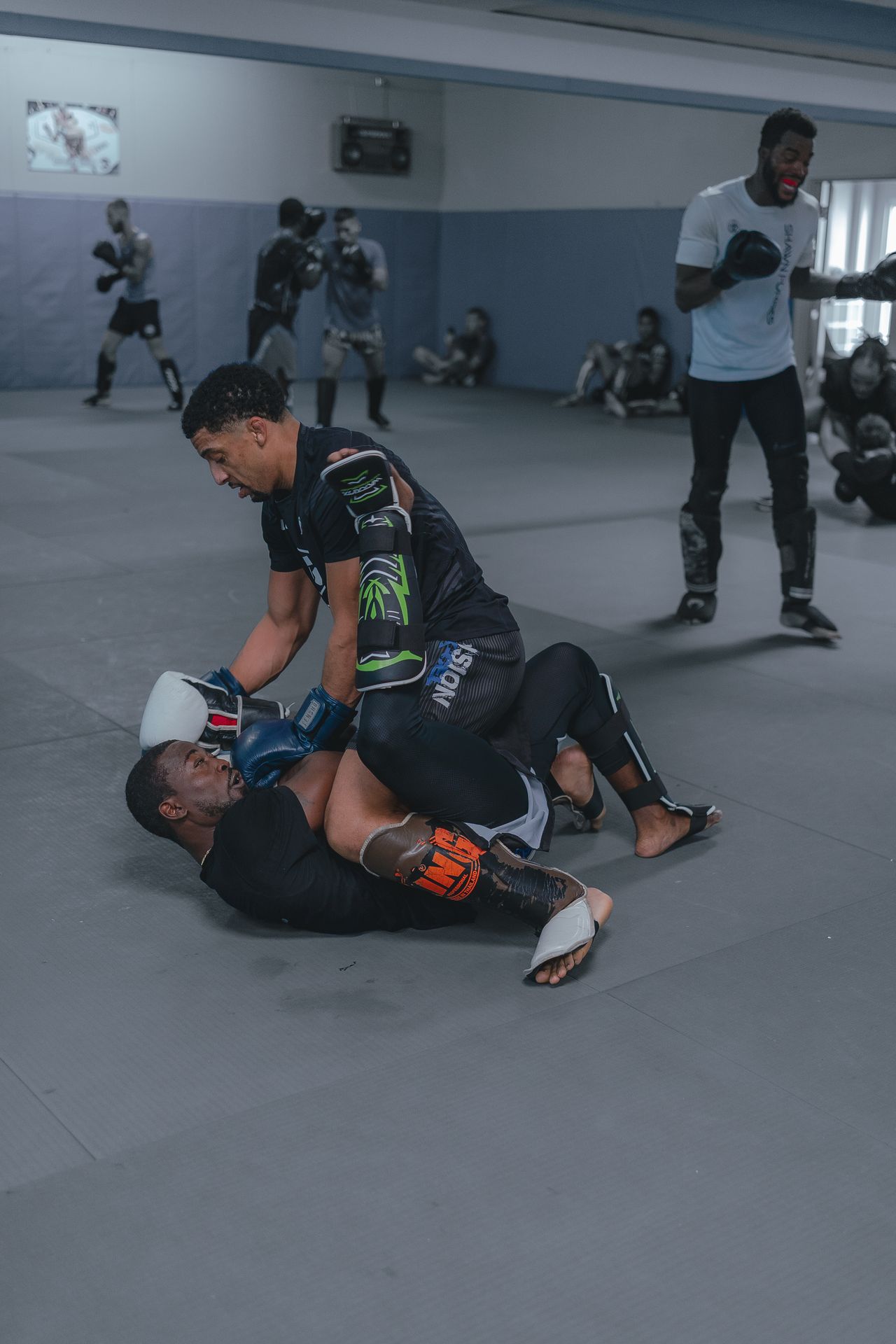
Puerto Rican boxing gyms are not just fitness spaces. At their best, they are classrooms. They are where young fighters learn how to stand, move, breathe, listen, and survive. They are also where the island’s boxing memory is passed down through coaches, older fighters, sparring partners, and family members who know the names and stories that came before.
Training culture in Puerto Rico varies by gym and region, but the central themes are familiar: discipline, repetition, conditioning, and respect for craft. Fighters are taught to carry themselves like representatives of a boxing island. That can be a burden, but it can also be fuel. A Puerto Rican prospect does not enter a neutral tradition. He or she enters a sport where the island has already produced legends.
San Juan and its surrounding communities remain central to the boxing scene, but Puerto Rican boxing is not limited to the capital. Caguas, Carolina, Bayamón, Fajardo, Ponce, and other communities have all contributed to the island’s fight culture. The geography is compact, which creates a strong sense of connection across the scene. Fighters, coaches, promoters, and fans often know the same names. A promising amateur can become a known figure quickly.
The mainland connection adds another layer. Many Puerto Rican fighters train or compete in Florida, New York, Pennsylvania, or other American boxing centers. That movement is not a loss of identity. It is part of the identity. Puerto Rican boxing has always been able to live in more than one place at once. A fighter can be shaped by Orlando or Brooklyn and still carry the island into the ring.
This is especially important for professional development. Puerto Rico can produce talent, but major professional opportunities often require access to broader promotional networks, television platforms, sparring pools, and U.S. boxing commissions. The best Puerto Rican fighters learn how to move between those worlds without losing the cultural connection that makes them marketable and meaningful.
Amanda Serrano and the New Puerto Rican Boxing Era
Amanda Serrano changed the scale of what Puerto Rican women’s boxing could mean. Born in Carolina and strongly associated with Brooklyn, Serrano embodies the island-diaspora boxing connection in modern form. Her career has crossed weight classes, promotional platforms, and gender barriers, making her one of the most important Puerto Rican fighters of the 21st century.
Serrano’s achievement as a seven-division world champion is not just a statistical milestone. It matters because it placed a Puerto Rican woman at the center of global boxing history. Her fights with Katie Taylor helped push women’s boxing into larger arenas, larger broadcasts, and larger purses. Her presence also gave Puerto Rican boxing a modern figure whose influence extends beyond traditional male championship lineage.
The Taylor-Serrano rivalry became one of the defining women’s boxing rivalries of its era. For Puerto Rican fans, Serrano’s rise carried familiar emotional themes: the flag, the big stage, the New York connection, the willingness to face elite opposition, and the sense that a Puerto Rican fighter was helping move the entire sport forward.
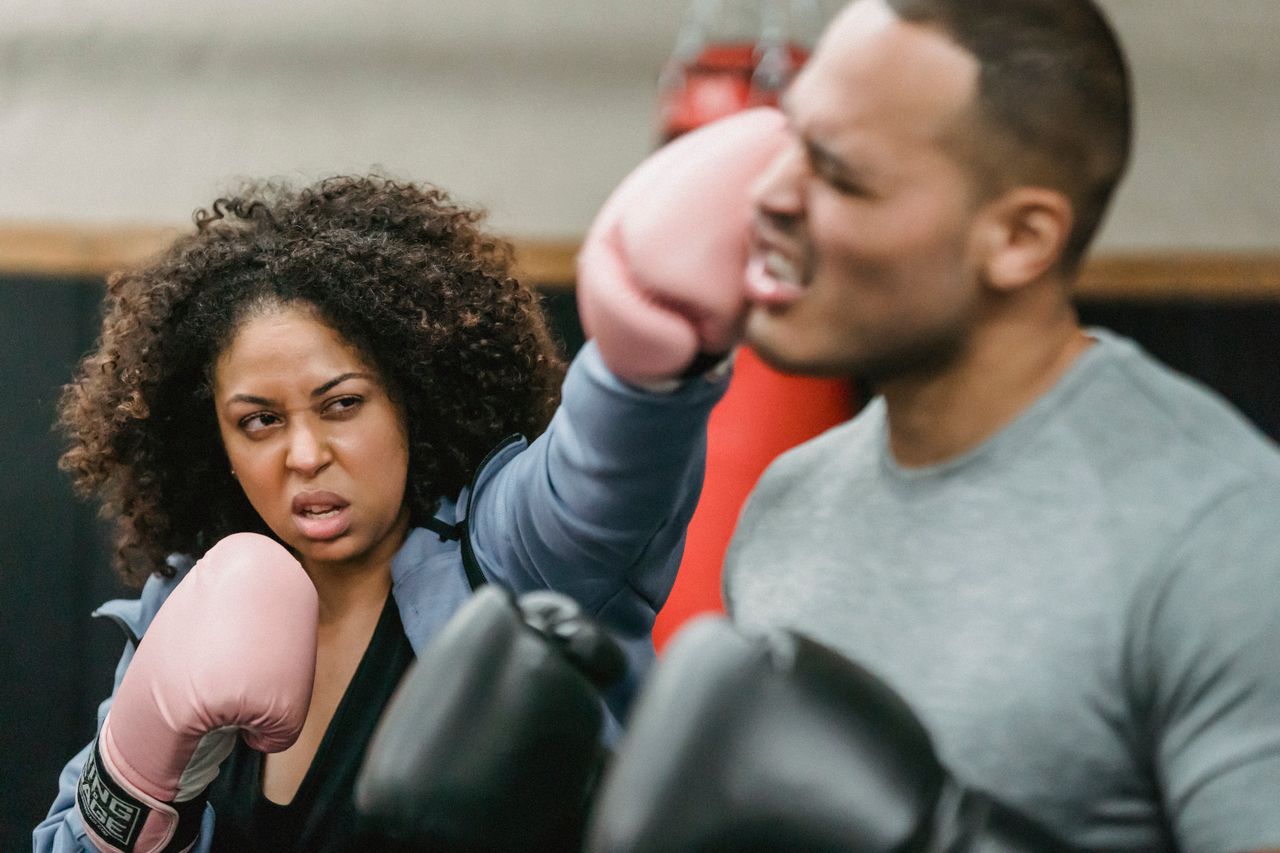
Serrano also changed the imagination of young Puerto Rican girls entering boxing gyms. Before her, Puerto Rico had women in the sport, but Serrano made the ceiling look different. She showed that a Puerto Rican woman could become a global boxing headliner, not just a participant. That matters for recruitment, media attention, sponsorship, and long-term development.
Her influence can also be seen in the way Puerto Rican boxing is now discussed. The island’s boxing story can no longer be told only through Ortiz, Gómez, Benítez, Trinidad, and Cotto. Serrano belongs in the central line of the tradition. She did not inherit Puerto Rican boxing history as a symbol; she expanded it.
Modern Champions and the Next Generation
Puerto Rico’s current boxing scene has the difficult task of living up to an unusually demanding past. The island does not simply want contenders. It expects champions. That expectation can be unfair, but it is also part of why Puerto Rican boxing remains compelling.
Oscar Collazo has become one of the most important modern Puerto Rican champions. Competing at minimumweight, he has brought attention to the lower divisions through activity, skill, and title success. Smaller weight classes have always been important to Puerto Rican boxing, and Collazo’s rise fits naturally into that tradition. He is a reminder that Puerto Rican greatness has never depended on heavyweight visibility. The island’s boxing history has often been written in the lighter divisions, where speed, technique, and precision matter intensely.
Xander Zayas represents another modern pathway. Born in San Juan and developed into a major professional prospect, Zayas has been marketed as a future face of Puerto Rican boxing. His rise reflects the modern boxing economy: early signing, careful development, television exposure, brand building, and the pressure of being identified as the next major Puerto Rican star before a career is fully written.
Subriel Matías has given Puerto Rico a different kind of modern fighter: heavy-handed, dangerous, and associated with punishing fights. His career has had setbacks as well as triumphs, but his style connects with fans who value pressure, power, and risk. Fighters like Matías help keep Puerto Rican boxing from becoming only a nostalgia project. They make the current scene feel alive, unpredictable, and dangerous.
There are also prospects and regional fighters trying to climb from local shows to international relevance. Not all of them will become champions, but they are part of the ecosystem. A boxing culture cannot survive on legends alone. It needs club fighters, amateurs, sparring partners, coaches, small promoters, cutmen, officials, and local fans. Puerto Rico still has those ingredients.
The WBO, San Juan, and Puerto Rico’s Place in the Boxing Business
Puerto Rico’s boxing importance is not limited to fighters. The World Boxing Organization is headquartered in San Juan, giving the island a formal place inside the global boxing business. That presence matters symbolically and practically. It connects Puerto Rico not only to the production of fighters, but also to the administration and sanctioning structure of the sport.
Boxing politics are complicated, and sanctioning bodies are often debated by fans, fighters, and promoters. Still, the WBO’s presence in Puerto Rico reinforces the island’s standing as more than a talent source. Puerto Rico is part of boxing’s institutional geography. It has champions, fans, venues, commissions, promoters, and a major sanctioning body operating from San Juan.
Major Puerto Rican fight cards also continue to matter. When championship boxing returns to the island, it carries a different feeling than a neutral-site bout. A Puerto Rican champion defending or unifying at home gives local fans a direct connection to the sport’s highest levels. These events also help younger fighters see a pathway from local gyms to major lights without imagining that every meaningful boxing moment must happen elsewhere.
At the same time, Puerto Rico’s boxing business still depends heavily on international connections. Las Vegas, New York, Florida, California, and other markets remain crucial. Puerto Rican stars often need mainland exposure to become global names. That has been true for generations. The difference today is that digital media, streaming platforms, and social media allow Puerto Rican fighters to maintain a closer relationship with island fans even while fighting abroad.
Why Puerto Rican Boxing Still Feels Different
Puerto Rican boxing feels different because its history is unusually personal. The island’s boxing fans do not simply celebrate champions; they remember eras. They remember the elegance of Benítez, the violence of Gómez, the electricity of Trinidad, the professionalism of Cotto, the audacity of Camacho, the craft of Calderón, and the modern breakthrough of Serrano. These fighters become reference points.
That creates a demanding culture. Puerto Rican fans can be passionate, loyal, and critical. They know what a real champion looks like because they have seen many of them. A young Puerto Rican fighter is not measured against vague ambition. He is measured against a lineage. That can create pressure, but it also creates meaning. Winning a belt for Puerto Rico is not a private accomplishment. It is an entry into a public tradition.
The island’s boxing identity also survives because it is portable. Puerto Rican fans in New York, Florida, Pennsylvania, Connecticut, New Jersey, and elsewhere help keep the sport visible. A Puerto Rican fighter can generate a home crowd far from the island. That diaspora support has been one of Puerto Rico’s greatest boxing advantages.
The future of boxing in Puerto Rico will depend on several forces: continued amateur development, stronger women’s programs, regular professional cards on the island, smart management for prospects, and the ability to keep young fighters connected to the sport in a crowded athletic landscape. But Puerto Rico does not need to invent a boxing identity. It already has one of the strongest identities in the sport.
Puerto Rico is a champion’s island, a boxing diaspora, a lower-weight powerhouse, a Madison Square Garden culture, a Mexico rivalry nation, an Olympic medal producer, and now a women’s boxing force. Few places have contributed so much to boxing with such a compact population and such a clear sense of self.
That is why boxing in Puerto Rico still matters. The island’s past is not just decorated; it is active. Every new Puerto Rican fighter enters the ring with the old names nearby. Every big Puerto Rican fight carries the possibility of adding another chapter to one of boxing’s richest national traditions.