Boxing in Andorra is a small-scene story, but that does not make it irrelevant. In a country better known internationally for skiing, mountain tourism, football, cycling, and outdoor sport, boxing occupies a narrower space. Its identity is not built around world champions or a long professional lineage. It is built around participation, federation work, small-event development, and the challenge of creating boxing infrastructure in one of Europe’s smallest countries.
Andorra’s boxing scene has to be understood through scale. The country does not have the population base to produce a deep professional boxing circuit on its own. It cannot rely on a large pool of amateur clubs, hundreds of licensed competitors, or frequent domestic fight nights. Instead, boxing development in Andorra depends on practical organization: a federation, committed coaches, accessible training rooms, cross-border competition, and the ability to connect Andorran fighters with Spain, France, and wider European boxing structures.
The Federació Andorrana de Boxa is the institutional center of the sport. European boxing federation listings identify the Andorran federation in Andorra la Vella, giving the country formal boxing representation despite its small size. That formal presence matters because small-country boxing needs recognition before it can build pathways. Without a federation structure, it is difficult to arrange amateur licensing, tournament participation, judging standards, coaching development, and international connections.
Andorra’s boxing profile received a useful boost with the arrival of WBA Future activity in the country. In 2023, the WBA announced a Future event at the Poliesportiu d’Andorra, with a mix of professional and amateur bouts and a focus on young fighters. The event was also notable for including Andorran boxer Fabio Rodrigues making his professional debut at super featherweight.
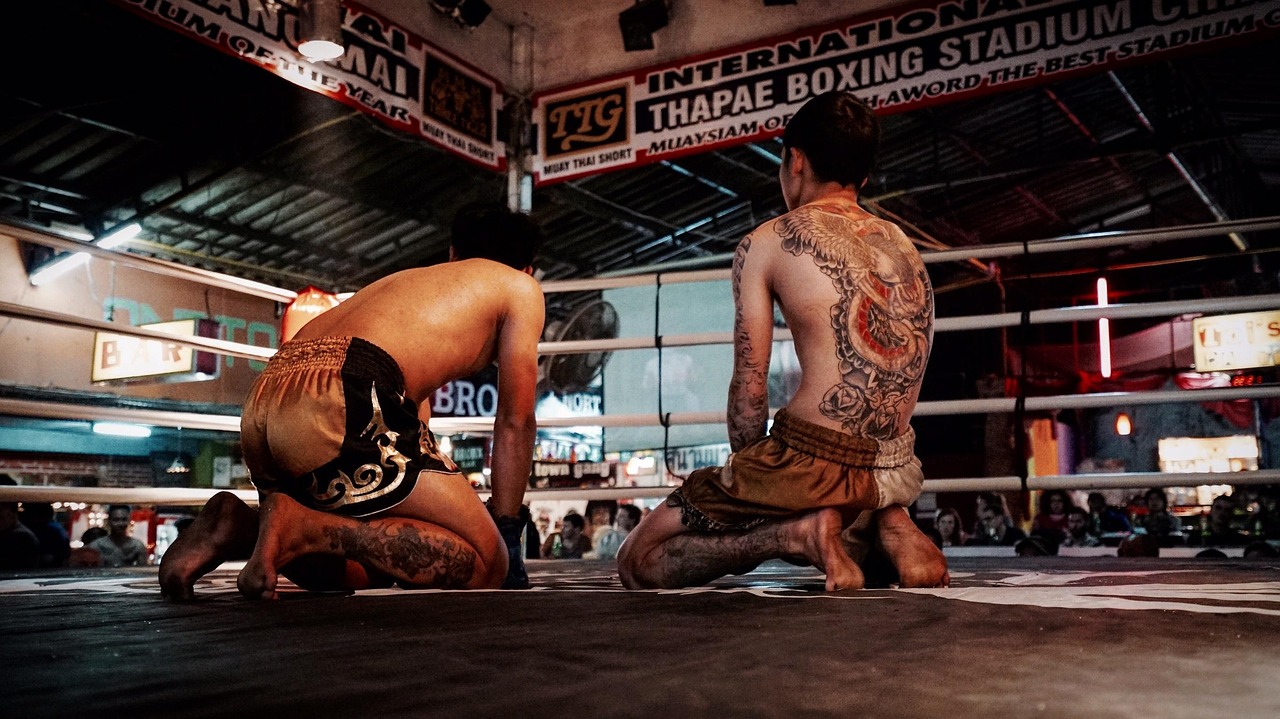
For a country of Andorra’s size, that kind of event carries significance beyond one fight card. It gives local fighters a stage. It gives fans a chance to see boxing presented as a live combat sport rather than only as something watched from abroad. It also connects Andorra to a broader boxing ecosystem, where small venues and developmental cards can matter for young fighters who are not yet close to world-title level.
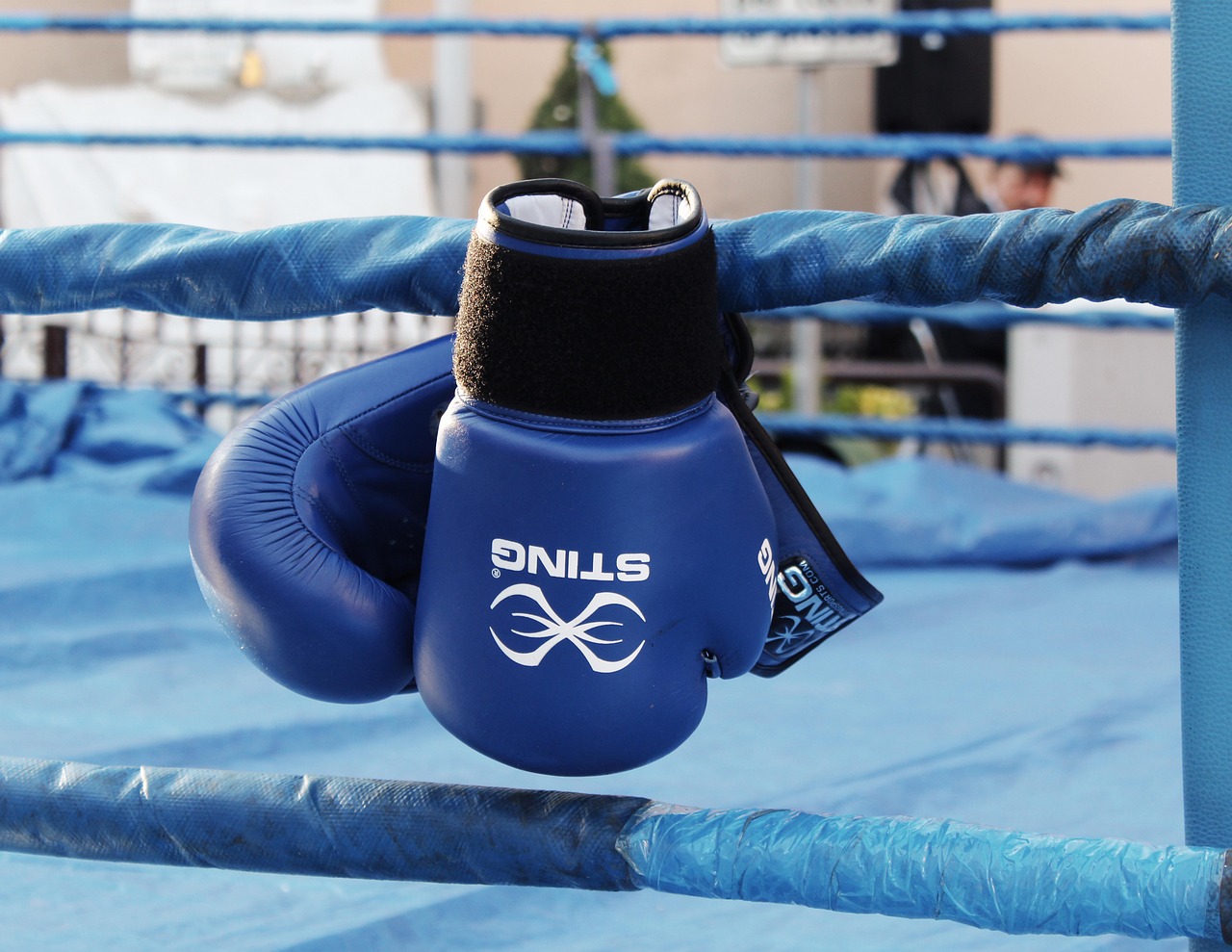
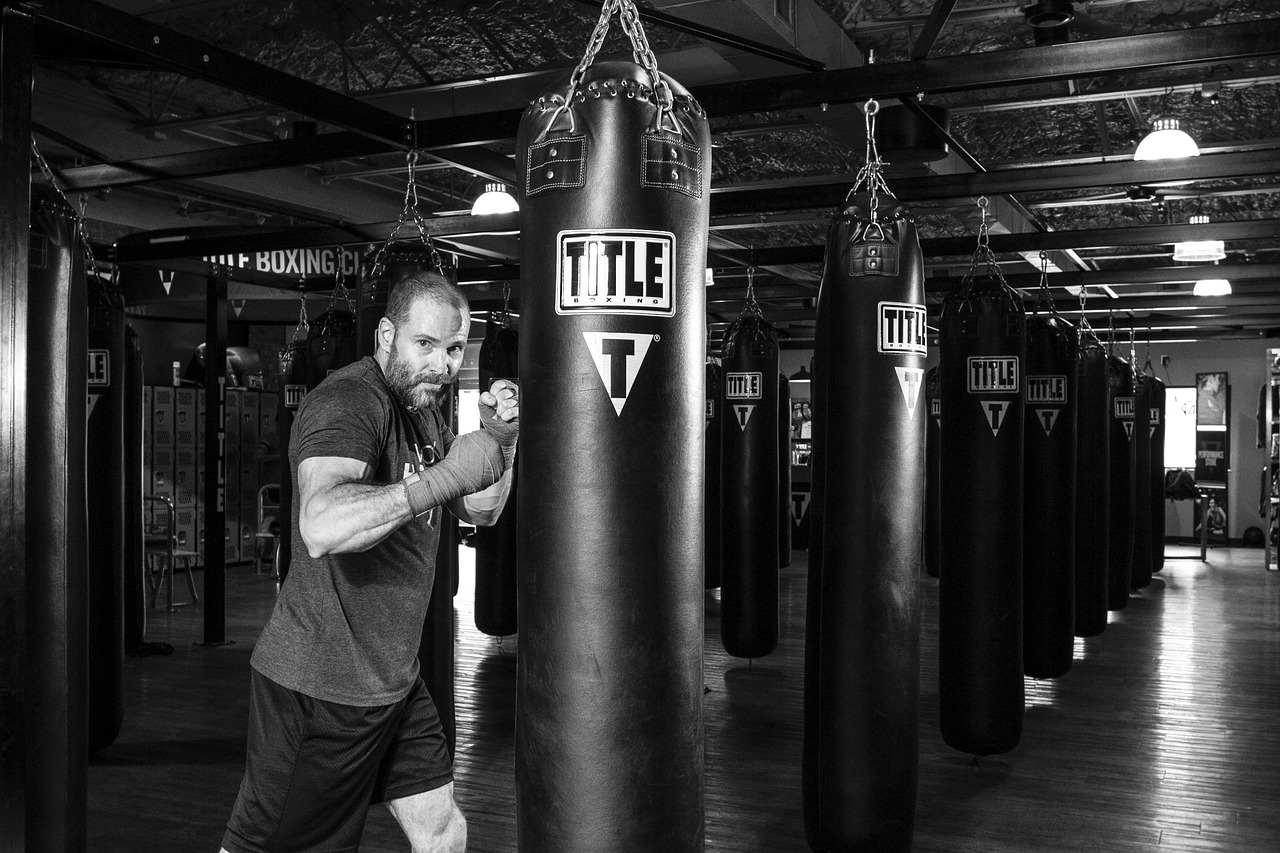
The training culture in Andorra is necessarily compact. Boxing clubs and schools serve multiple purposes: technical instruction, fitness boxing, youth development, amateur preparation, and sometimes a bridge toward professional ambitions. In larger fight countries, those categories are often separated. In Andorra, they naturally overlap. The same gym environment may include people training for conditioning, beginners learning footwork, and a smaller group of competitive boxers preparing for regional opportunities.
Geography gives Andorran boxing both a challenge and an advantage. The challenge is limited domestic competition. Fighters need opponents, and a small country can quickly run out of suitable local matches by age, weight, and experience. The advantage is location. Andorra sits between Spain and France, two countries with larger boxing infrastructures. That gives Andorran fighters access to nearby circuits, sparring, tournaments, and coaching influences if the right relationships are built.
The professional side remains modest. Andorra is not a major boxing market, and it is unlikely to become a regular destination for major title fights. But that is not the point of its boxing development. The more realistic path is a small, stable scene that can produce occasional professionals, support amateur competition, and host developmental events that give local athletes experience.
The future of boxing in Andorra will depend on whether the sport can move from isolated events to continuity. A single fight night can create attention, but a real boxing culture requires regular training, recurring competition, coaching education, and young athletes who see a reason to stay with the sport. Andorra’s best boxing opportunity is not to imitate Spain, France, or Britain. It is to build a small-country model: organized, disciplined, regional, and connected.
That makes Andorra a useful example of how boxing survives outside the obvious fight capitals. The country may not have a famous championship lineage, but it does have the basic ingredients of a developing scene. Its boxing story is about making the sport visible, giving local fighters meaningful stages, and using cross-border access to make a small boxing community feel larger than its population.