Libya’s MMA scene is small, scattered, and shaped by the broader difficulty of building professional sport infrastructure in an unstable environment. The country has combat-sports interest and individual fighters connected to MMA, but it does not yet have the kind of consistent domestic circuit that produces a deep national roster. Libya’s MMA identity is best understood as a developing North African scene tied to individual initiative, regional opportunity, and fighters who often need to look abroad for training or competition.
Ali El Ezzabi is one of the more visible Libyan names associated with MMA. Fighter databases list him as born in Libya, competing at featherweight, and fighting out of Phuket Top Team in Thailand. That detail is important because it says a lot about Libya’s MMA reality. When a fighter from a smaller or less-developed MMA country wants to sharpen his game, he may need to leave home and train in a more established international camp. Thailand, with its Muay Thai base and increasingly global MMA gym scene, has become one of those destinations.
Libya has more names listed in MMA databases, including Ahmed Awaig, Ali Garada, Alhaytham Fathi Saad, and others, but many records are amateur, incomplete, or show little professional activity. That suggests an MMA community that exists in pieces rather than as a fully mature national structure. There are athletes interested in the sport, but the system around them remains limited.
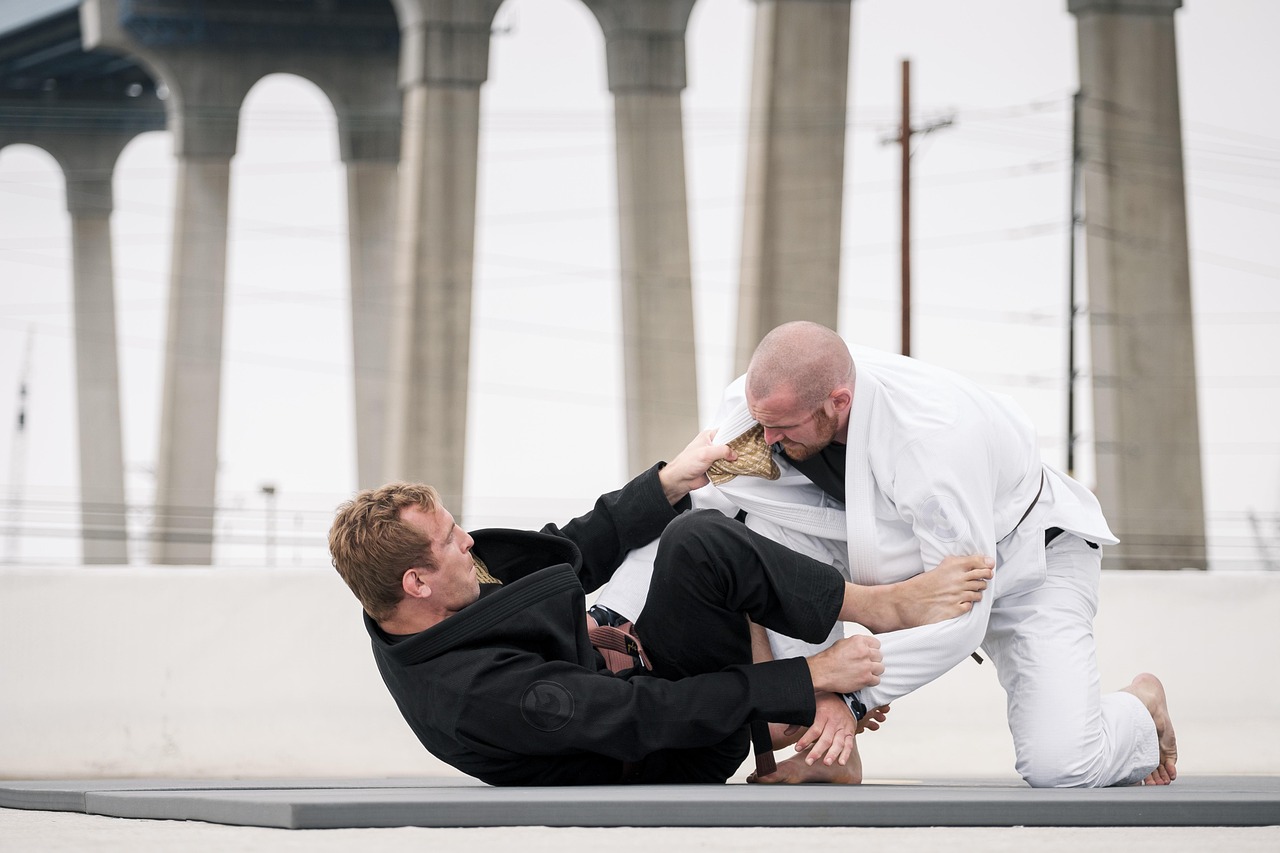
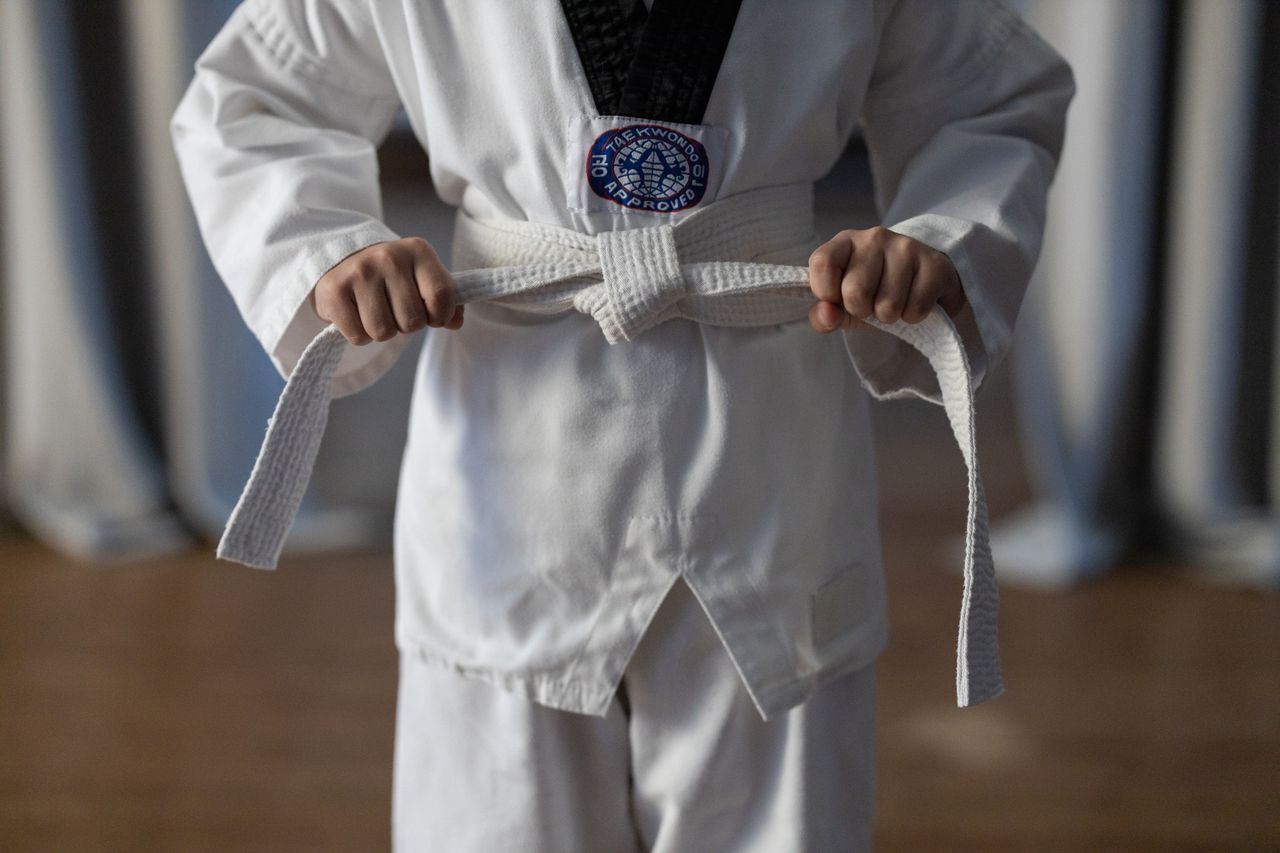
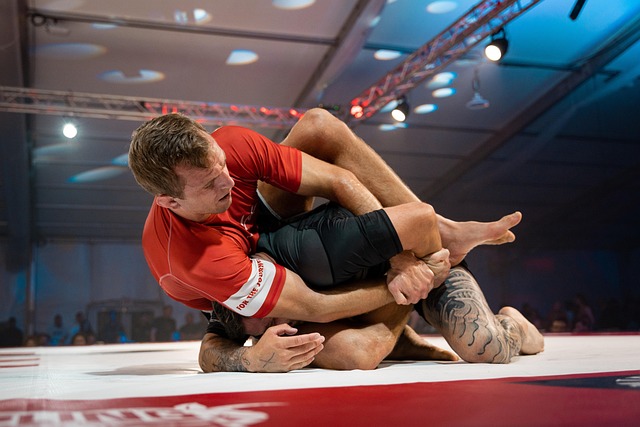
The country’s combat-sports roots matter because MMA rarely appears from nothing. Libya, like much of North Africa, has stronger familiarity with boxing, kickboxing, karate, taekwondo, judo, and general striking arts than with the full cage-fighting model. Those sports can create tough athletes, but MMA requires additional layers: wrestling entries, submission defense, ground control, cage pressure, and the ability to blend phases without pausing between them. That technical integration is usually where young MMA countries face their biggest challenge.
For Libyan fighters, regional geography could become an advantage. North Africa, the Middle East, and Mediterranean Europe all offer potential competitive pathways. A Libyan prospect does not necessarily need to go straight toward the UFC dream. More realistic steps might include regional Arab promotions, African MMA events, European smaller shows, or training blocks in countries with deeper grappling and striking infrastructure. The key is building enough fight experience before chasing the highest level.
Fan culture in Libya is likely to follow personalities before institutions. In countries where there are not yet regular national MMA events, fans often connect first through international stars, UFC highlights, Arab fighters in major promotions, and local athletes who share their journey online. That creates awareness, but turning awareness into a scene requires gyms, coaching education, event safety, and matchmaking.
Libya’s MMA future is therefore cautious but not empty. The country has athletes, combat-sports interest, and regional access, but it needs structure. Its best fighters may continue to develop abroad for now, especially in countries with stronger MMA camps. Over time, those fighters can become the foundation for coaching, seminars, and local credibility. Libya is not yet a major MMA country, but it has the outlines of a scene waiting for stability, organization, and opportunity.