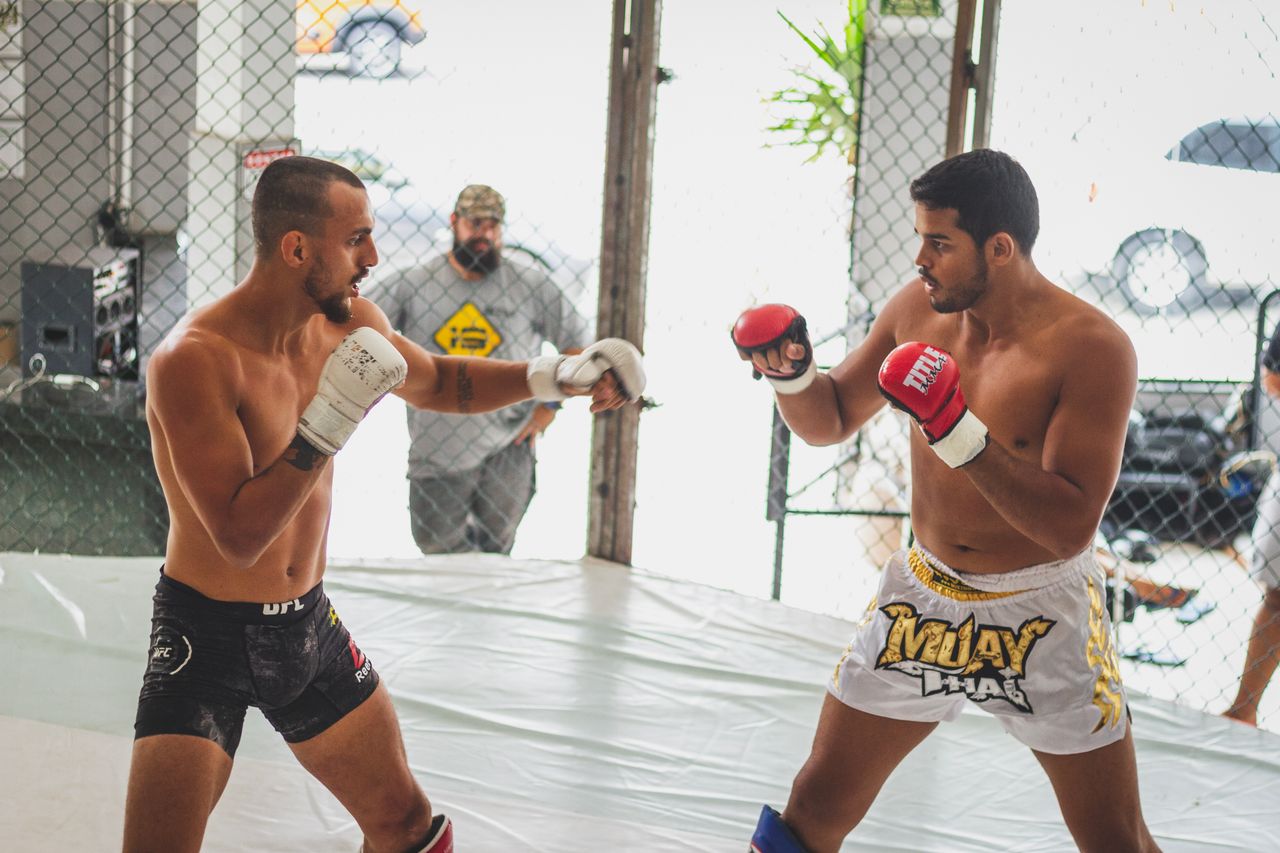
MMA in the Central African Republic is best understood as a small, early-stage scene connected more to broader African combat-sports development than to a mature domestic professional circuit. The country does not yet have the kind of globally visible MMA identity associated with Nigeria, South Africa, Cameroon, Morocco, Senegal, or the Democratic Republic of the Congo. Its profile is quieter: a handful of listed fighters, limited public fight records, and a combat-sports culture that is more likely to grow through boxing, judo, wrestling, and regional competition before it produces a steady stream of full-time MMA professionals.
That does not make the Central African Republic irrelevant to African MMA. It means its MMA story is still in the infrastructure-building phase. Public fighter databases list Central African Republic athletes such as Alpha Toure, Beni Beguy, Boidje Hergi Betoubam, David Bireau, Ghislain Ndaye, Gildas Bangana, Judith Mbougnade, Junior Dassinou, and Kevin Dasso, but the available records are mostly undeveloped or listed at 0-0 rather than showing an established professional pipeline. That is an important distinction. The country has names connected to the sport, but not yet the volume of recorded bouts, regional rankings, or internationally recognized promotions that would mark it as a developed MMA market.
The likely foundation for MMA in the Central African Republic comes from older and more accessible combat sports. Boxing remains one of the most natural gateways into MMA across much of Africa because it requires less specialized infrastructure than a complete MMA gym. Judo, karate, taekwondo, and wrestling also provide useful entry points where they exist through schools, clubs, security forces, or regional sporting programs. In a country with limited sports infrastructure, the development of MMA usually depends less on dedicated cages and more on whether athletes can assemble training across disciplines: striking in one place, grappling somewhere else, conditioning wherever equipment is available, and fight experience through regional opportunities.
The biggest challenge is not athlete toughness or interest. It is continuity. MMA requires coaches who understand how to blend disciplines, safe sparring environments, access to sanctioned competition, referees, medical oversight, and a reason for athletes to stay in the sport long enough to progress. For a Central African Republic fighter, the pathway to serious competition may eventually require travel to better-developed African fight markets, especially regional hubs with more active promotions and stronger gyms. That pattern is common for smaller MMA countries. The athlete may be locally rooted, but the career often becomes regional very quickly.
This also shapes how the country’s fighters are likely to be viewed internationally. A Central African Republic athlete who breaks through would not only represent individual success; he or she would become a marker for the country’s MMA potential. Smaller MMA nations often develop around breakthrough moments. One athlete signs with a regional promotion, gets noticed in Europe or the Middle East, or builds a record through amateur tournaments, and suddenly the country has a reference point for future fighters.
For now, MMA in the Central African Republic remains a grassroots and regional possibility rather than a fully formed domestic ecosystem. Its future depends on whether combat-sports clubs can create more consistent cross-training, whether athletes can access African amateur and professional circuits, and whether the sport gains enough local visibility to move beyond scattered individual participation. The country’s MMA identity is still being written, but it is most likely to develop through disciplined crossover athletes who come from boxing, judo, wrestling, or traditional martial arts and then search for competitive opportunities beyond the country’s borders.