Boxing in Qatar sits inside a sports environment that has changed quickly over the past two decades. The country is not known as a traditional boxing factory in the way that Cuba, Mexico, the Philippines, or Kazakhstan are, but it has become an increasingly visible combat-sports host, training destination, and amateur boxing participant in the Gulf. Qatar’s boxing identity is less about a long list of famous professional champions and more about infrastructure, international events, federation development, and the gradual expansion of boxing as part of the country’s broader sports strategy.
The clearest marker of Qatar’s boxing profile came when Doha hosted the 2015 AIBA World Boxing Championships. For a country without a deep professional boxing history, staging one of amateur boxing’s most important tournaments was a major statement. It placed Qatar in the international boxing calendar and showed how the country’s investment in arenas, event operations, and global sports diplomacy could extend beyond football, athletics, tennis, motorsport, and handball. The tournament also helped frame Qatar as a place where elite boxing could be staged, even if the country itself was still developing its own competitive base.
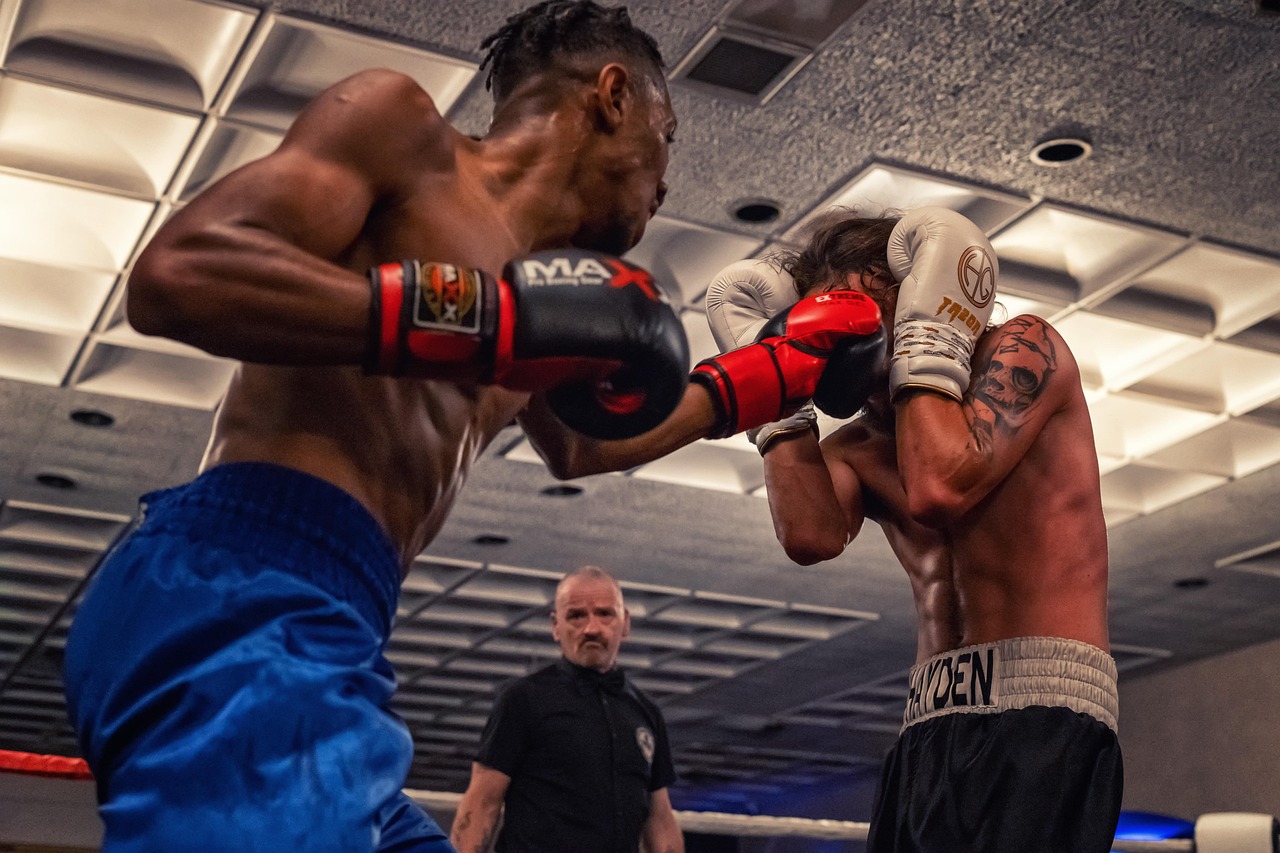
Domestically, boxing in Qatar is shaped by a mix of national federation activity, expatriate participation, private gyms, fitness boxing, and regional amateur competition. Doha’s large international population has helped create demand for boxing training as both a competitive sport and a fitness discipline. Many participants come to boxing through conditioning classes, personal training, or combat-sports gyms that also offer Muay Thai, kickboxing, Brazilian jiu-jitsu, or MMA-style training. That crossover environment matters because boxing in Qatar often grows through multi-discipline gyms rather than through the old neighborhood boxing-club model found in more established fight countries.
The amateur pathway is the most important competitive foundation. Qatar’s boxers have historically faced a difficult challenge: they train in a region where boxing exists, but where the talent pool is thinner than in Central Asia, Eastern Europe, Latin America, or parts of Africa. That means international competition is especially important. Gulf tournaments, Arab championships, Asian boxing events, and Olympic qualification pathways provide the standard by which Qatari boxing is measured. For local fighters, the goal is not only to win domestically but to test themselves against countries with deeper technical systems and larger amateur programs.
Qatar has not produced a large group of world-famous professional boxers. That absence should not be treated as failure; it reflects the current stage of the sport in the country. Professional boxing requires more than gyms and athletes. It needs promoters, regular cards, licensing systems, matchmaking networks, broadcast interest, and a culture of fighters moving from amateur development into paid careers. Qatar has the venues and event capacity, but its boxing culture is still more institutional and developmental than deeply professional.
Training culture in Qatar benefits from modern facilities and international coaching influences. In Doha, boxing can be presented as a serious combat sport, a conditioning method, and a discipline for young athletes. The country’s challenge is converting interest into depth. A strong boxing scene depends on regular amateur shows, youth participation, coaching education, and enough competitive rounds for fighters to improve. Without frequent local competition, boxers have to rely heavily on regional travel and international tournaments to gain experience.
Qatar’s future in boxing will likely depend on two tracks. The first is event hosting: bringing major amateur tournaments, regional championships, professional exhibitions, or international fight nights to Doha. The second is athlete development: building a larger base of Qatari and resident boxers who can compete consistently across Asia and the Arab world. The country already knows how to use sport as a platform. The harder task is building boxing culture from the ground up.
For now, boxing in Qatar is best understood as an emerging scene with strong infrastructure and international ambition. It is not yet a champion-producing country, but it has the resources, facilities, and regional position to become a more active boxing hub in the Gulf.