Baltimore’s MMA identity is unusually specific. It is not a UFC headquarters city, a glamour fight-week destination, or a place defined by one globally famous champion. It is a regional fight city built around local infrastructure, especially the connection between Ground Control, John Rallo, and Shogun Fights. That gives Baltimore a clearer MMA story than many larger metros: the scene has a recognizable local architect, a known promotion, and a practical development pathway for fighters in Maryland and the Mid-Atlantic.
John Rallo is central to that history. Ground Control describes him as a Renzo Gracie black belt and “the main architect behind bringing mixed martial arts to Maryland,” while Baltimore-area coverage has long framed him as one of the key figures who moved local MMA from gym culture into arena-level promotion. Ground Control itself was created to fill a gap in authentic fighting instruction, combining Brazilian jiu-jitsu, MMA, and practical fight training in a city where traditional martial arts schools had existed before full MMA infrastructure was widely available.
That gym-to-promotion connection matters because Baltimore’s scene has never depended only on imported UFC attention. Shogun Fights gave the region a repeatable platform. The promotion describes itself as an East Coast MMA organization built by Rallo, with events at venues including Royal Farms Arena in Baltimore, MGM National Harbor, and other major regional locations. Tapology’s event records also show Shogun Fights cards tied to Royal Farms Arena and other Maryland venues, giving local fighters a stage that sits above small smoker shows but below the national spotlight.
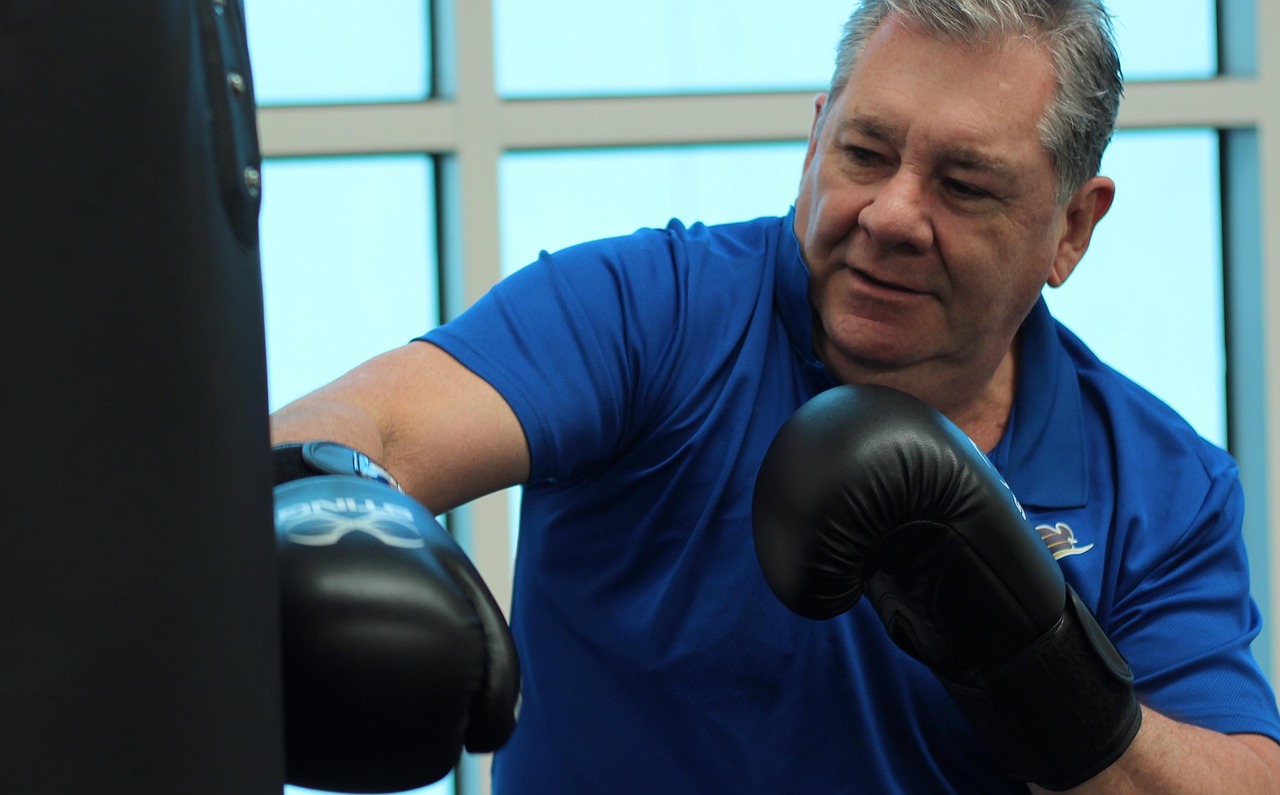
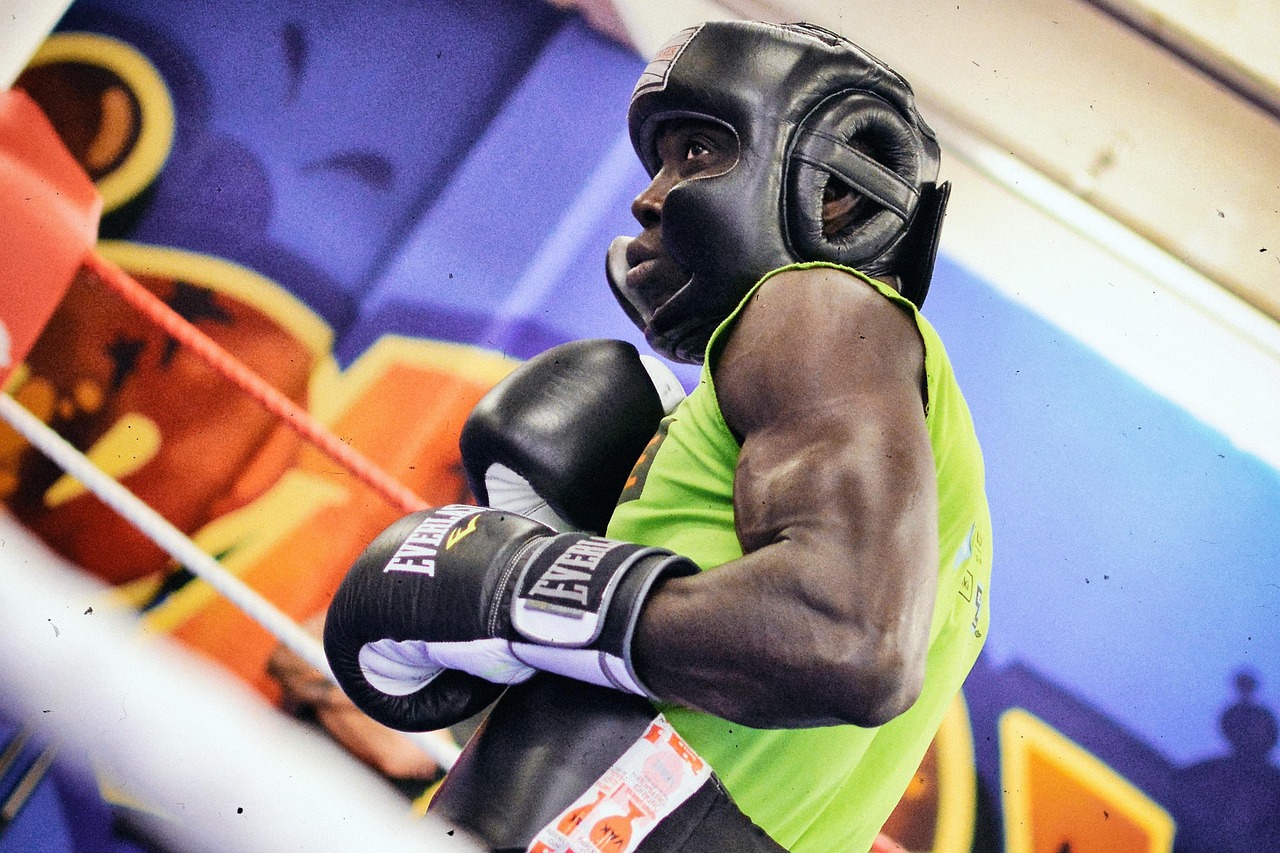
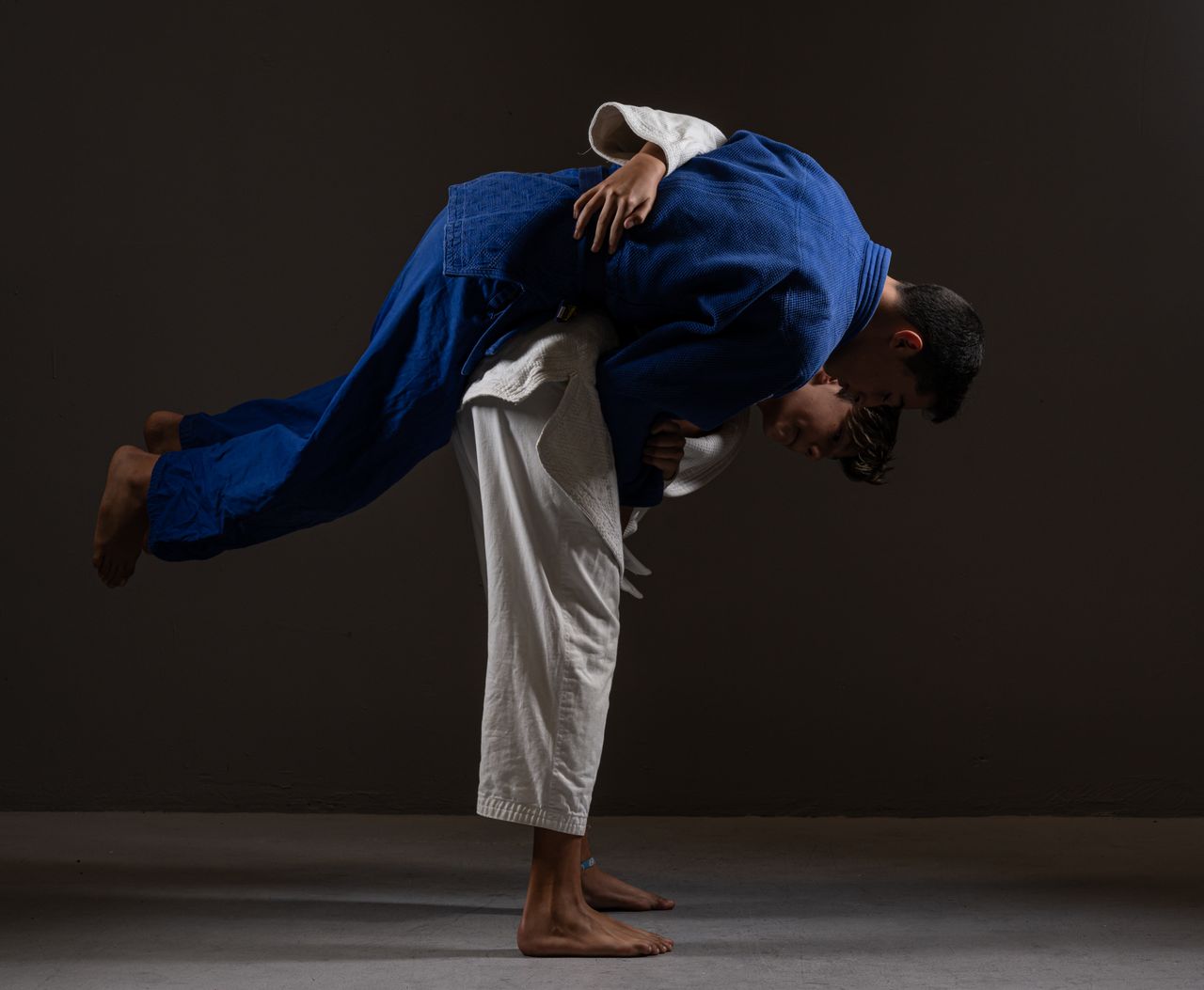
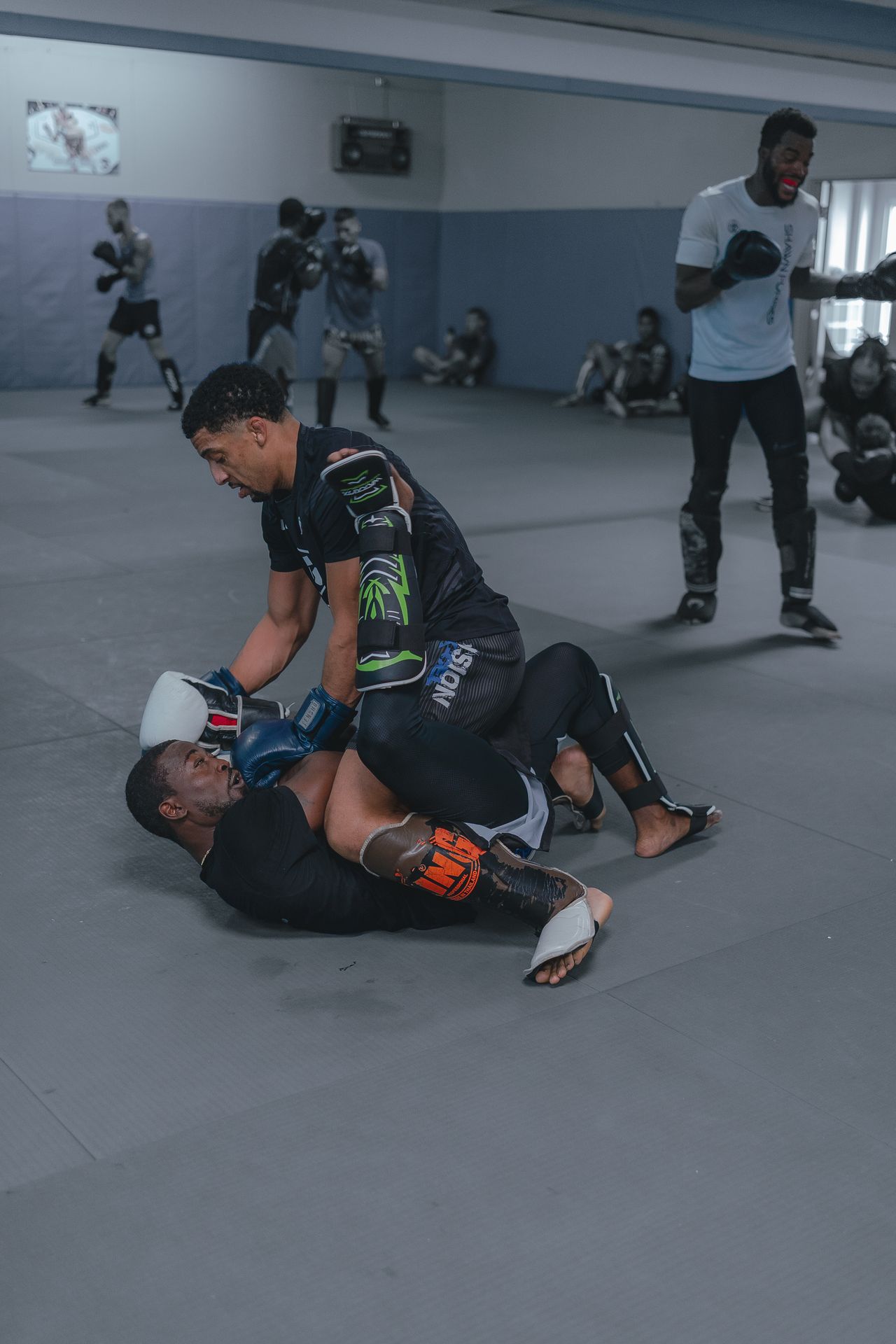
The training culture in Baltimore reflects that regional role. A fighter coming out of the area can build through jiu-jitsu, wrestling, boxing, kickboxing, and MMA-specific work while staying close to the Washington-Baltimore corridor. That matters because the corridor gives athletes access to more bodies, more gyms, and more amateur or professional opportunities than a smaller isolated market would. Baltimore’s MMA ecosystem is not just city limits; it is a Maryland and Mid-Atlantic circuit with Baltimore as one of its practical anchors.
The city’s combat-sports roots also fit MMA well. Baltimore has long had a hard sports identity, a boxing tradition, and proximity to strong wrestling states and military communities. MMA in Baltimore channels that into a local scene that tends to feel direct and functional. It is less about spectacle than about whether fighters can find coaches, rounds, opponents, and cards. Shogun’s continued presence has helped make that possible by giving the area a recurring competitive outlet.
Baltimore’s long-term MMA ceiling is probably regional rather than global, but that is not a weakness. Many healthy MMA ecosystems are built exactly this way: one respected gym network, one durable local promotion, a pool of amateur and pro fighters, and a fan base that understands the difference between a local fight night and a televised UFC card. Baltimore’s identity is not borrowed from another city. It is a local fight scene with its own institutions.