Illinois boxing begins with Chicago. Any serious discussion of boxing in the state has to start there, because Chicago is not just a local fight city. It is one of the great American boxing cities, with a history that stretches from neighborhood gyms and immigrant fight culture to major arenas, Golden Gloves tournaments, world champions, and nationally important amateur boxing.
The state’s boxing identity is built around Chicago’s combination of working-class neighborhoods, ethnic communities, tough gyms, and organized amateur competition. Boxing fit the city because Chicago was a place of migration, industry, density, and rivalry. Fighters came out of neighborhoods where sport was one of the few ways to earn respect quickly. The gym was not only a place to train. It was a social institution, a proving ground, and sometimes a way to keep young people close to discipline when the streets offered something else.
The Chicago Golden Gloves are central to that story. Founded in the 1920s, the tournament became one of the most important amateur boxing traditions in the United States. It gave Chicago boxing a formal structure, a public stage, and a reputation that reached far beyond Illinois. Winning in Chicago meant something because the tournament was deep, visible, and tied to the city’s identity. The Chicago Golden Gloves also helped shape the wider American amateur system, creating a bridge between local gyms and national recognition.
Illinois has produced and hosted names that make the state’s boxing history unusually rich. Barney Ross, one of boxing’s great champions, came out of Chicago and became a symbol of technical skill, courage, and Jewish-American sporting achievement. Ernie Terrell, also connected to Chicago, became heavyweight champion and part of one of the most famous eras in heavyweight history. Tony Zale was born in Gary, Indiana, but his career and regional boxing world were deeply tied to the broader Chicago industrial orbit. Muhammad Ali and Joe Louis were not Illinois fighters in the strict hometown sense, but their Golden Gloves connections show how Chicago functioned as a national amateur stage, not merely a city tournament.
The Illinois boxing map extends beyond Chicago, but Chicago gives the state its gravity. Downstate and suburban boxing programs matter, especially in places where local clubs serve young athletes who may not have easy access to the city’s larger fight infrastructure. Still, the cultural image of Illinois boxing remains urban, crowded, technical, and hard-nosed. It is a state where the idea of the “Chicago fighter” carries a particular meaning: tough, tested, comfortable under pressure, and shaped by sparring rooms where reputation is earned round by round.
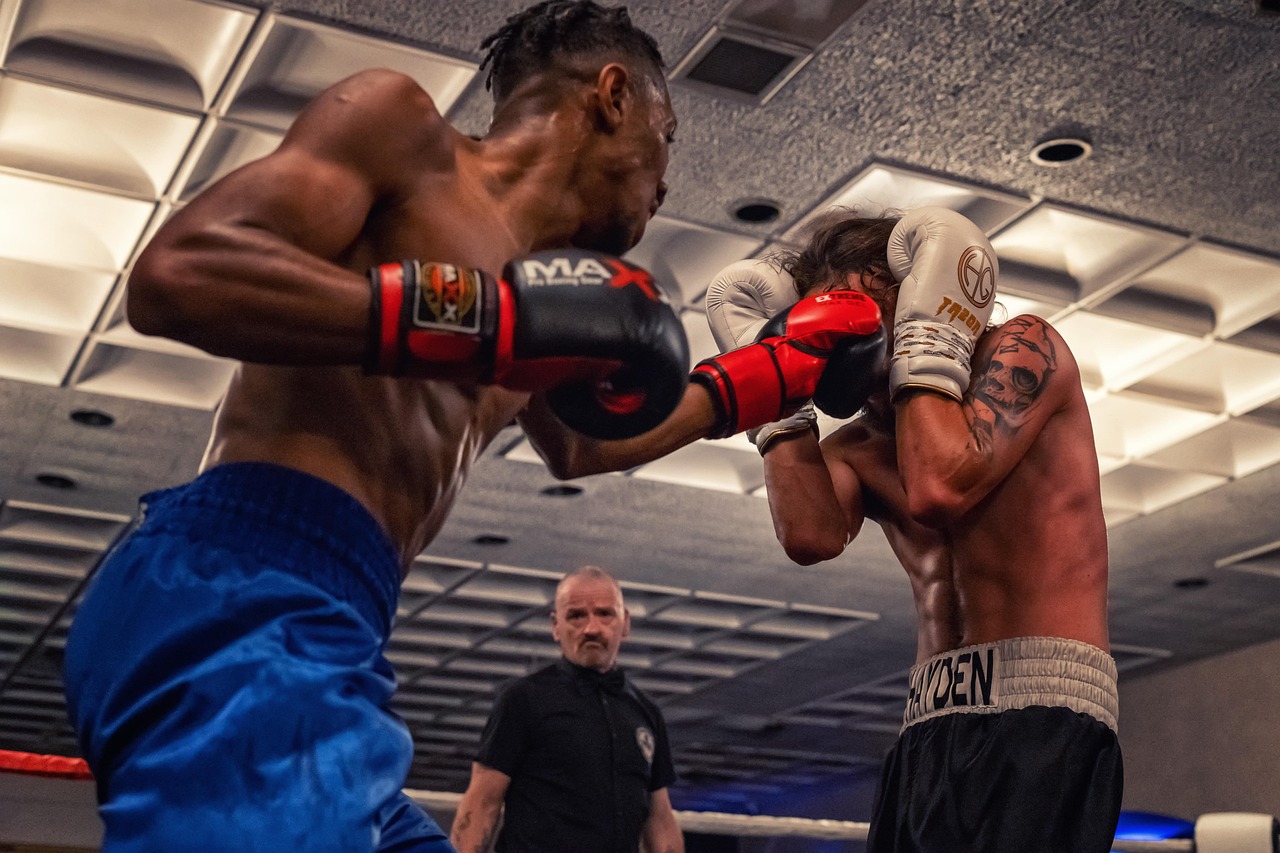
Today, boxing in Illinois continues through a mix of amateur tournaments, community gyms, professional cards, women’s boxing, youth programs, and boxing fitness. The state has the advantage of population density and sports infrastructure. A young boxer in the Chicago area can find gyms, sparring partners, coaches, and competition more easily than a fighter in many smaller states. That does not guarantee an easy path, but it gives Illinois a deeper ecosystem.
Professional boxing in Illinois has had peaks and slower periods, but the foundation is still there. Chicago remains a credible fight city because it has history, venues, fans, gyms, and a recognizable boxing brand. When boxing is healthy in Chicago, Illinois feels like a boxing state. When the professional calendar slows, the amateur and gym culture still keeps the sport alive.
Illinois boxing is strongest when it remembers what made it important in the first place. It is not just about big fights. It is about neighborhood gyms, Golden Gloves nights, old trainers, young amateurs, and the pressure of becoming good in a city that has seen every kind of fighter before. That is the state’s boxing identity: historic, urban, demanding, and still rooted in the ring culture of Chicago.