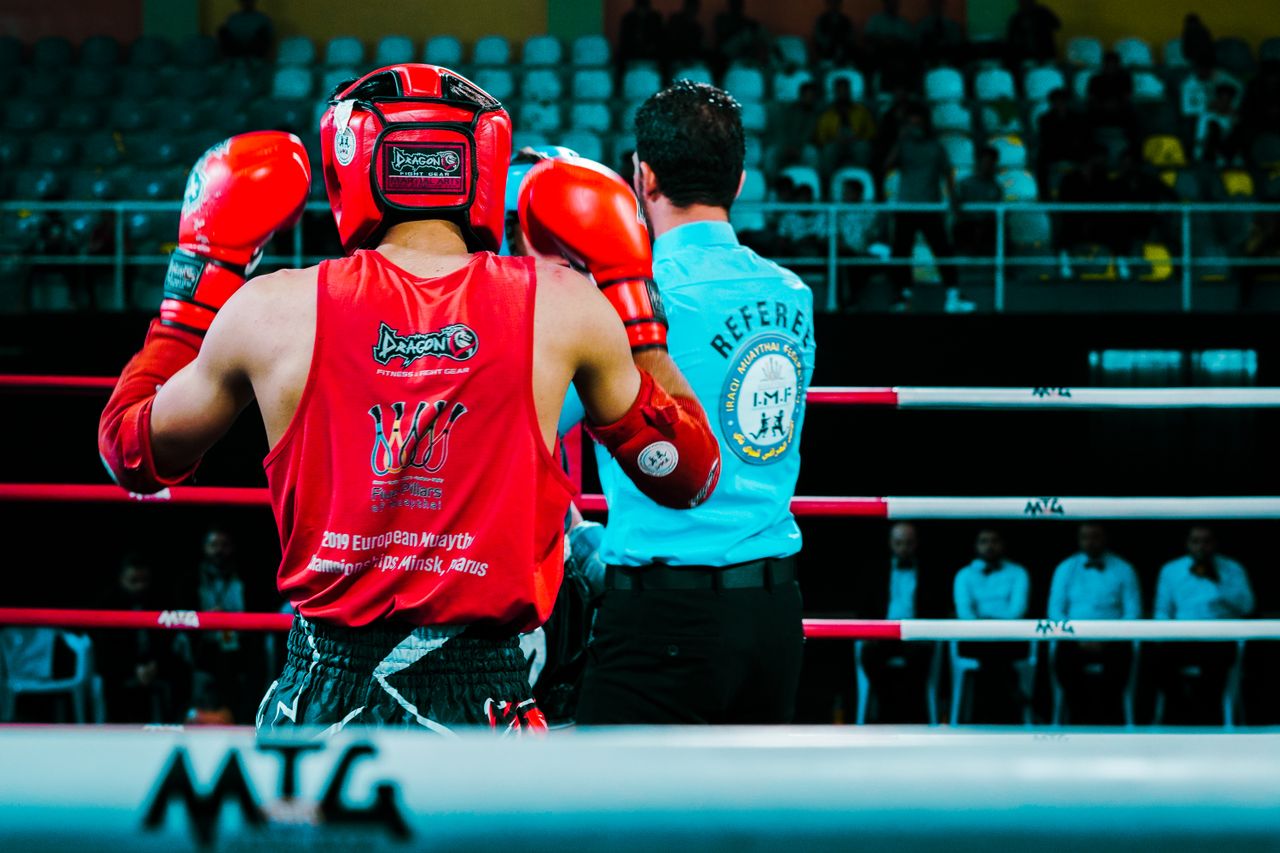
Muay Thai’s global combat-sports influence comes from the way one national fighting art became a foundation for modern striking. Built around punches, elbows, knees, kicks, clinch control, balance, and pressure, Muay Thai gave fighters tools that traveled far beyond Thailand’s stadiums. Its impact can be seen in kickboxing, MMA, self-defense gyms, elite fight camps, and international competition. The connection matters because Muay Thai did not simply become popular as a traditional martial art. It became practical. Fighters adopted it because it solved real problems: how to strike at every range, how to fight inside the clinch, and how to turn rhythm, toughness, and timing into a complete combat system.
From Thai Stadiums to the International Fight World
Muay Thai’s roots are tied to Thailand’s fighting culture, where the sport developed through stadium competition, regional styles, gambling audiences, and a demanding training environment. Fighters did not learn Muay Thai as a performance art alone. They learned it as a professional trade, often from a young age, inside gyms where repetition, conditioning, and ring experience shaped every part of the style.
What made Muay Thai different was its completeness in upright fighting. Boxing gave fighters punches. Karate and taekwondo emphasized kicks in different ways. Wrestling and judo controlled bodies through grappling. Muay Thai built a striking language around eight points of contact: fists, elbows, knees, and shins. It also placed special importance on the clinch, where fighters could control posture, land knees, break balance, and turn close-range contact into offense.
As combat sports globalized, Muay Thai moved with trainers, fighters, tourists, promoters, and martial arts gyms. Western kickboxers traveled to Thailand. Thai fighters competed abroad. International gyms began adding Muay Thai classes because the style was direct, demanding, and visibly effective. By the time MMA began growing in the 1990s and 2000s, Muay Thai was already positioned as one of the clearest answers to a basic question: what should a complete striker know?
Muay Thai’s Global Combat-Sports Influence in MMA and Kickboxing
Muay Thai’s global combat-sports influence became especially visible when fighters from other disciplines had to deal with low kicks, knees, elbows, and clinch pressure. In kickboxing, Muay Thai contributed a harder kicking game, a deeper understanding of knees, and a different relationship with damage. In MMA, it became one of the essential striking bases, especially once fighters realized that boxing alone did not cover every range of a fight.
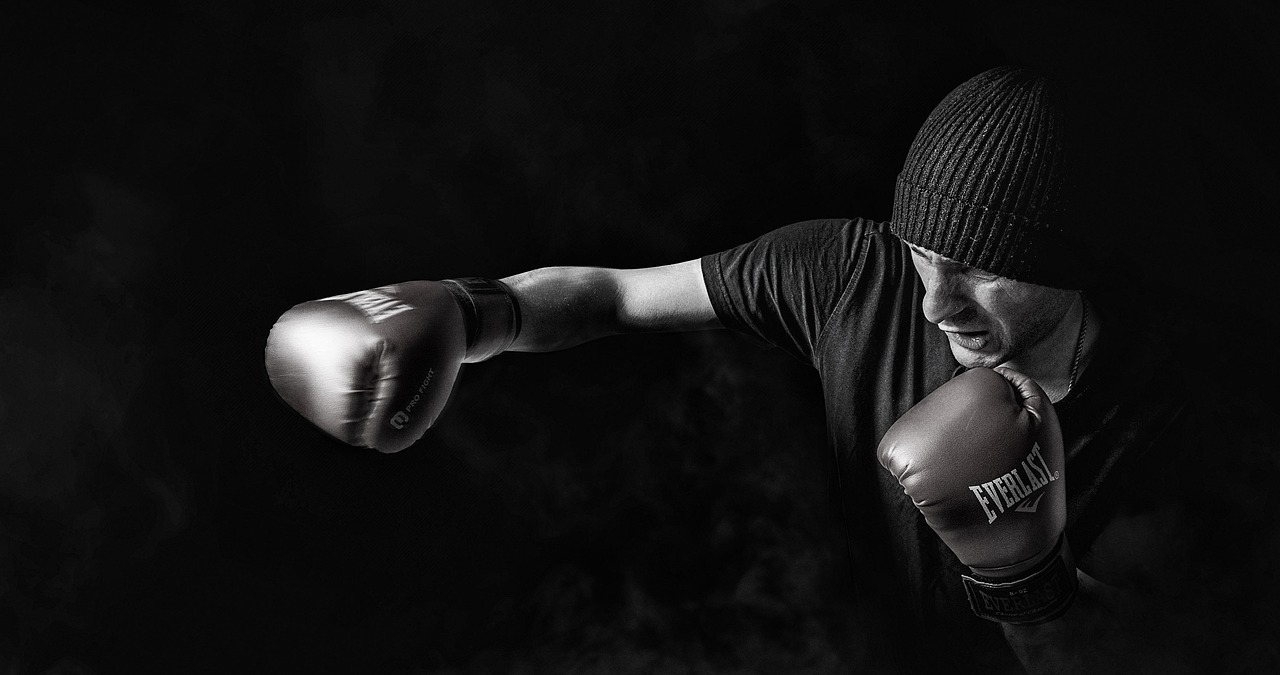
The low kick became one of Muay Thai’s most important exports. A well-thrown low kick could slow footwork, reduce power, and punish opponents who relied on boxing-heavy movement. The round kick to the body also became a major weapon, especially because the shin could land with heavy force against the ribs, arms, or guard. Elbows added another layer. In close range, where many striking styles became crowded, Muay Thai offered compact, damaging attacks.
The clinch was just as important. In pure Muay Thai, clinching is not a pause before separation. It is a full phase of fighting. Fighters battle for head position, arm control, posture, turns, trips, and knees. MMA changed how the clinch could be used because takedowns, cage wrestling, and submission threats altered the risk. Still, Muay Thai gave MMA fighters a vocabulary for striking from close quarters.
That influence can be seen across generations. Anderson Silva used Muay Thai tools with unusual timing and creativity. José Aldo’s low kicks became one of the defining weapons of his prime. Joanna Jędrzejczyk brought elite Muay Thai and kickboxing pressure into women’s MMA. Valentina Shevchenko built much of her striking identity through Muay Thai experience. In modern fight gyms, even athletes who are not “Muay Thai fighters” often train its kicks, knees, elbows, clinch positions, and pad-work rhythms.
Muay Thai also shaped the way combat sports are taught. The Thai pad became a global training tool. Fighters learned combinations that blended punches into kicks, knees into clinch entries, and defensive checks into counters. The style’s training culture — heavy bag work, pad rounds, sparring, clinch rounds, roadwork, and conditioning — became part of the broader fight-gym model.
Why Muay Thai Still Shapes Modern Combat Sports
Muay Thai still matters because it remains one of the most reliable striking foundations in combat sports. It does not answer every question by itself. MMA fighters must adapt it for takedown defense, cage position, smaller gloves, and grappling transitions. Kickboxers must adjust depending on the rule set. Boxers and karate-based fighters bring different strengths. But Muay Thai continues to matter because its core weapons remain useful across formats.
Its global influence also extends beyond professional fighting. Muay Thai gyms now operate across North America, Europe, Australia, the Middle East, and Latin America. Major promotions have helped expose new audiences to elite Thai and international fighters. International federations have pushed the amateur side of the sport into a more formal global structure, including recognition from Olympic bodies. At the same time, Thailand’s stadium culture remains central to the sport’s identity, preserving the competitive world that shaped Muay Thai before it became a global training system.
The deeper legacy is that Muay Thai changed how fighters think about range. A combat athlete could no longer prepare only for punches and high kicks. They had to respect low kicks, knees, elbows, body kicks, clinch control, and balance-breaking pressure. That forced combat sports to become more complete.
Muay Thai’s global combat-sports influence lasted because it was tested under pressure. It traveled from Thai stadiums into kickboxing rings, MMA cages, Olympic-recognized amateur competition, and everyday fight gyms because its tools worked. The sport’s legacy is not just cultural reach. It is technical proof. Modern striking is harder, fuller, and more dangerous because Muay Thai helped teach the world how much fighting could happen on the feet.