MMA in Congo, referring here to the Republic of the Congo, is part of the wider Central African fight landscape, but it should not be confused with the larger and more internationally visible Democratic Republic of the Congo. The Republic of the Congo has its own developing MMA identity: modest, regional, and still searching for the kind of breakthrough athlete or promotion structure that turns scattered participation into a recognizable national scene.
Public MMA databases list Republic of the Congo fighters such as Cedrick Massala, Cedrick Ceda, Cedrick Mouyabi, and Cerdanh Firnel Mbon, among others. The available public record base is not deep, which places Congo in the category of an emerging or lightly documented MMA country rather than a proven professional pipeline. That does not mean the sport is absent. It means the country’s MMA profile is still closer to the grassroots and regional-development stage than to the international-main-card level.
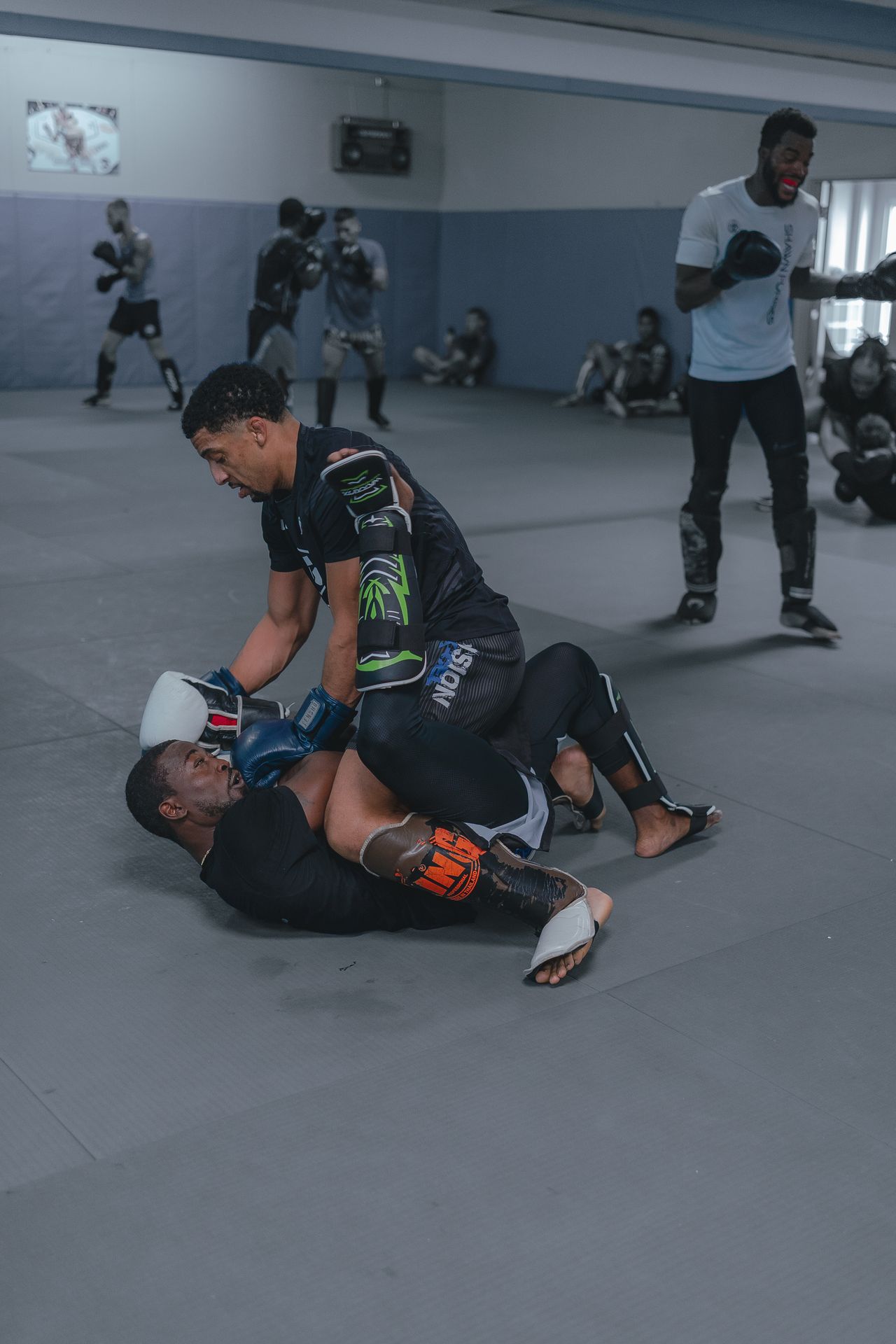
Congo’s most realistic MMA foundation comes from traditional and established combat sports. Boxing has long been one of the most accessible fighting pathways across Central Africa, and it remains one of the clearest routes into MMA striking. Judo, karate, taekwondo, and wrestling also matter where they are available through clubs, schools, or institutional sports programs. The challenge is integration. MMA is not simply a collection of combat sports. It requires athletes to blend striking, takedowns, submissions, clinch work, cage defense, and conditioning into one competitive system.
That is where smaller MMA countries often struggle. A fighter may have talent in one discipline but lack the complete environment needed to become a polished mixed martial artist. Without regular amateur bouts, experienced MMA coaches, medical oversight, and enough training partners across weight classes, development becomes inconsistent. Athletes either plateau locally or seek opportunities abroad. For Congolese fighters from the Republic of the Congo, regional competition may become essential, especially through neighboring countries, African promotions, or European-based gyms with Central African diaspora links.
The country’s MMA identity is also shaped by comparison. The Democratic Republic of the Congo has a broader fighter database and more global name recognition in combat sports, while the Republic of the Congo has a smaller public footprint. That difference matters for search visibility and fan understanding. When people search for “MMA in Congo,” they may be thinking of either country. A strong Republic of the Congo profile needs to clarify that the Brazzaville-based national scene is distinct, smaller, and still building its own record.
The opportunity is that Central Africa has physical talent, combat-sports interest, and regional examples of fighters who have used MMA to reach international audiences. The Republic of the Congo does not need to become a massive MMA market to matter. It needs a few consistent gyms, credible amateur competition, and fighters who can build records in respected regional promotions. One successful athlete can create a reference point for the next wave.
At present, MMA in Congo remains a developing scene with more potential than proven depth. Its future depends on whether local combat-sports athletes can move from single-discipline training into complete MMA preparation, whether domestic clubs can connect with regional competition, and whether Congolese fighters can become visible beyond small listings and scattered records. The country’s MMA story is still early, but it has a clear path: build from boxing and martial arts roots, connect to African circuits, and let individual fighters establish the reputation that the domestic scene does not yet possess.