Jacksonville boxing has the feel of a regional fight scene rather than a national boxing capital. That does not make it unimportant. It makes it a different kind of boxing place. The sport in Jacksonville is built through gyms, local trainers, amateur development, Florida competition, military influence, and the broader combat-sports culture of the Southeast. It is a city where boxing often lives below the national spotlight but still provides real training, real fighters, and real opportunities for athletes who are willing to travel, spar, and build their records the hard way.
Florida boxing is often associated first with Miami, Tampa, Orlando, and the state’s long history as a fight destination, but Jacksonville has its own role. The city’s size, military presence, port-city character, and North Florida location give it a distinct boxing environment. Jacksonville sits closer culturally to South Georgia and the Deep South than to the Latin American fight culture of Miami. That gives its boxing scene a different texture. It is less about glamour and more about toughness, practical gyms, youth programs, and regional competition.
Boxing in Jacksonville is closely tied to the development side of the sport. The city may not be known for a long list of globally famous champions, but it has the kind of infrastructure that matters at ground level: gyms where beginners learn the basics, coaches who work with amateurs, and fighters who use local training as a base before seeking larger opportunities. In that sense, Jacksonville’s boxing identity is similar to many mid-sized American fight cities. The local scene is not judged only by how many title fights it hosts. It is judged by whether it keeps producing trained, disciplined fighters who can compete beyond the city.
The amateur pathway is especially important. Young boxers in Jacksonville need access to coaching, sparring, tournaments, and regional competition. Florida’s boxing geography gives them options, but it also demands travel. A serious amateur may need to test himself or herself in other Florida markets, in Georgia, or across the Southeast. That travel can sharpen fighters quickly. It exposes them to different styles, different coaches, and different levels of pressure. For Jacksonville boxers, the city can be a base, but the region becomes the proving ground.
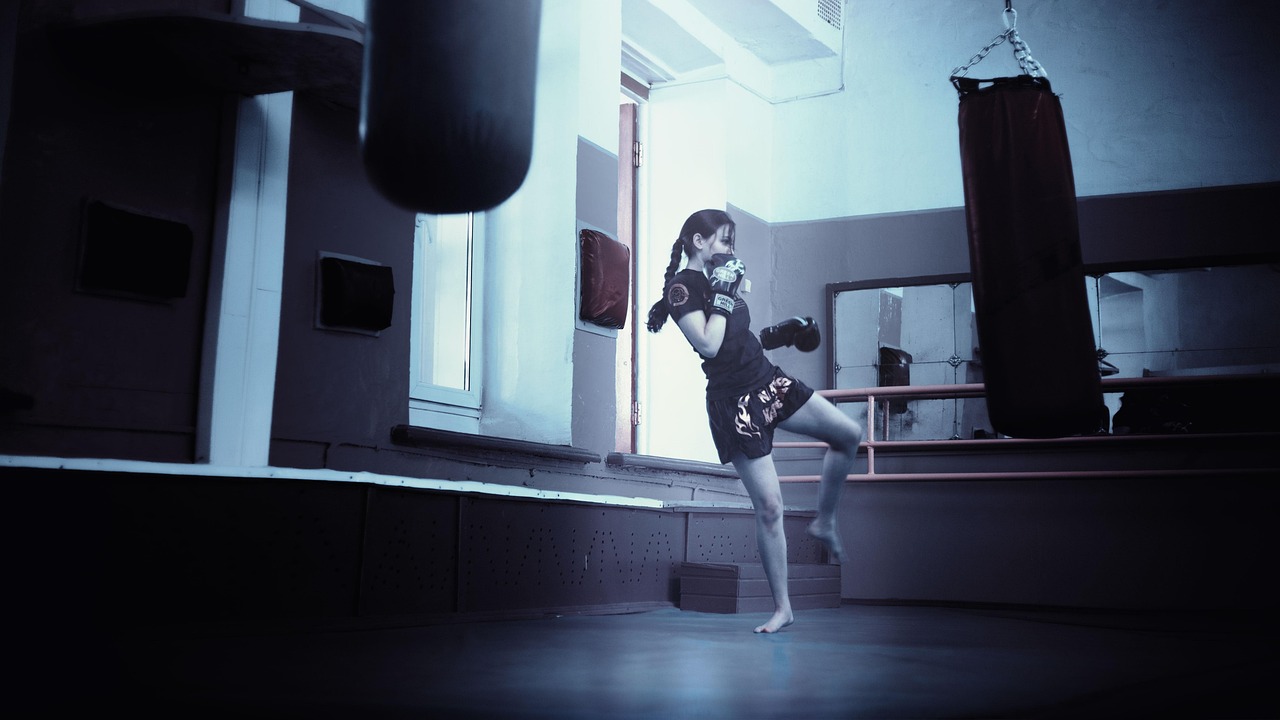
The gym culture in Jacksonville tends to reflect the practical side of boxing. The best boxing rooms are not built around appearance. They are built around repetition, conditioning, mitt work, bag work, defense, and controlled sparring. In a city with strong football, military, and general fitness cultures, boxing also appeals to people who may never compete. That wider interest helps keep the sport visible. Fitness boxing can introduce adults to the sport, while youth boxing can create structure and discipline for younger athletes. The challenge is keeping a clear bridge between recreational boxing and competitive boxing so the sport does not lose its fighting core.
Jacksonville’s place in the wider boxing world is regional. It connects naturally to Florida’s state boxing scene, the Southeast amateur circuit, and professional opportunities in larger markets. A promising fighter from Jacksonville may need to fight in Tampa, Orlando, Miami, Atlanta, or other regional hubs to gain momentum. That is not a weakness. Many good fighters come from places where opportunity requires movement. It can create boxers who are comfortable as road fighters, used to difficult matchmaking, and less protected than prospects built entirely at home.
The city also has potential for women’s boxing and youth boxing growth. As boxing becomes more accessible through fitness gyms and modern training spaces, more people are willing to try the sport. The key is whether that participation turns into deeper competitive infrastructure. Jacksonville has enough athletes to support a stronger boxing scene. It also has enough regional access to connect those athletes to meaningful fights.
Jacksonville boxing is best understood as a working regional scene with room to grow. It is not defined by constant championship nights or a single famous arena. It is defined by the quieter machinery of the sport: gyms, coaches, amateurs, sparring partners, local shows, and fighters trying to move from North Florida into the larger boxing world. That identity may not be flashy, but it is real.