Orlando boxing sits at the intersection of Florida’s population growth, Latin American influence, Caribbean fight culture, and a sports economy built around constant movement. The city is not usually treated as Florida’s main boxing capital, but it has become part of one of the most active boxing states in the country. Orlando’s identity is not based on a single legendary gym or one dominant champion. It is based on access, diversity, and the steady expansion of combat sports across Central Florida.
Florida boxing has several personalities. Miami carries a strong Cuban and Latin American boxing identity. Tampa has its own fight history and regional scene. South Florida attracts international fighters, trainers, and promoters. Orlando sits in the middle of that map, connected to all of it while developing its own role as a training and competition market. For fighters, that geography matters. Orlando gives access to a large local population, nearby cities, frequent travel routes, and a state boxing environment that can support both amateur and professional activity.
The city’s boxing culture is shaped heavily by migration. Orlando has large Puerto Rican, Dominican, Cuban, Venezuelan, Colombian, Haitian, and broader Latin American and Caribbean communities, and those communities bring boxing traditions with them. For many families, boxing is not an unfamiliar sport. It is tied to national champions, Olympic programs, neighborhood gyms, and fight-night habits brought from other places. That gives Orlando boxing a more international feel than its theme-park image suggests.
Puerto Rican boxing influence is especially important in Central Florida. The growth of the Puerto Rican community in and around Orlando has helped make boxing part of the area’s cultural sports mix. Puerto Rico’s boxing tradition is one of the richest in the world, and that heritage travels with fighters, coaches, families, and fans. In Orlando, that means boxing can carry an island-mainland connection: fighters may be born in Florida, raised in Puerto Rican households, train in Central Florida gyms, and still feel attached to Puerto Rico’s championship lineage.
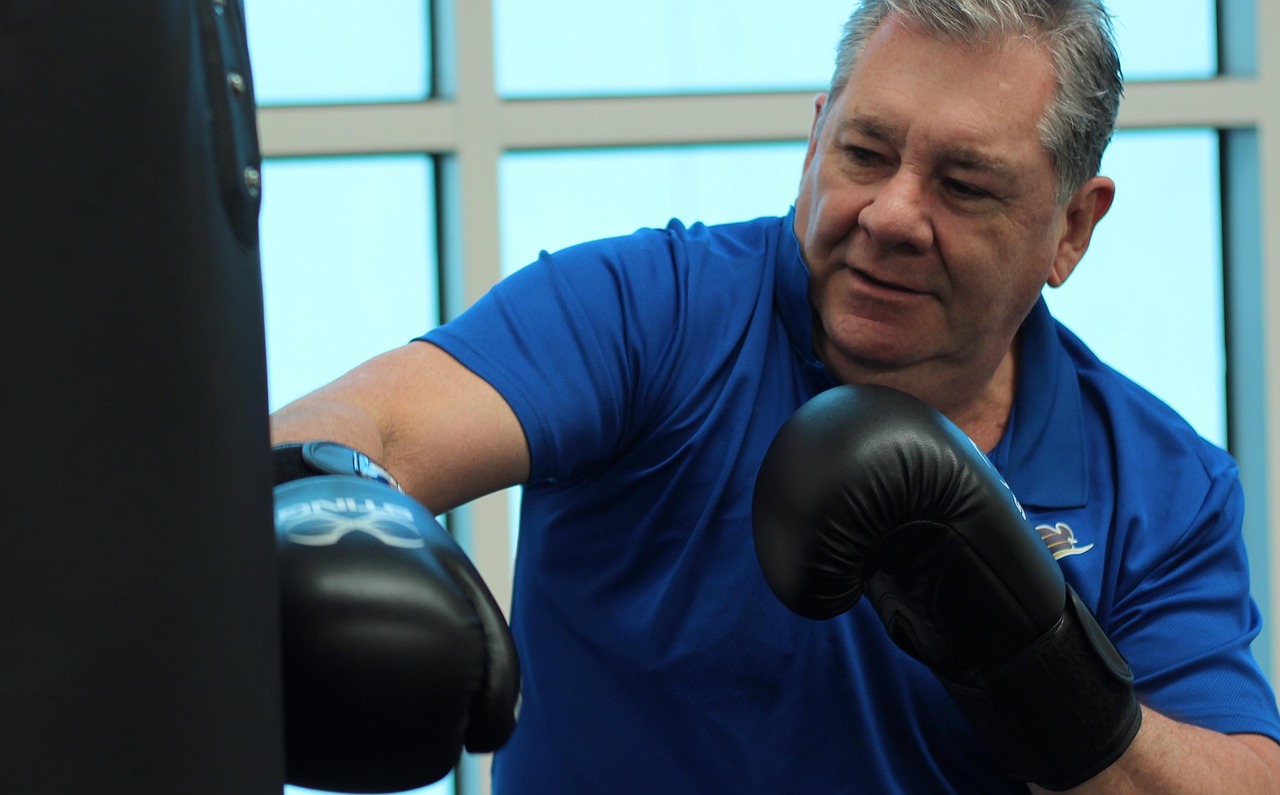
The gym scene in Orlando reflects the city’s diversity. Some gyms focus on competitive amateur and professional boxing. Others blend boxing with MMA, kickboxing, self-defense, or fitness. That range can be useful, but it also creates a distinction between boxing as exercise and boxing as a competitive craft. Serious boxing development still depends on trainers who can teach fundamentals, manage sparring safely, prepare fighters for tournaments, and guide athletes through the long learning curve from beginner to competitor.
Amateur boxing is one of Orlando’s most important development lanes. Young fighters in Central Florida can compete locally, travel around the state, and test themselves against athletes from Tampa, Miami, Jacksonville, and other Florida markets. That kind of in-state competition is valuable because Florida has enough depth to expose fighters to different styles. A boxer in Orlando can encounter slick movers, pressure fighters, southpaws, physically strong prospects, and experienced amateurs without leaving the state.
Professional boxing in Orlando benefits from Florida’s broader event infrastructure. The city knows how to host. It has arenas, hotels, media access, airports, and a built-in visitor economy. While Orlando is not Las Vegas, it has the practical ingredients for fight cards: venues, fans, transportation, and a diverse audience. Smaller professional shows, regional cards, and nationally televised events can all make sense in Central Florida when the matchups and promotion fit the market.
Orlando’s boxing identity is also tied to opportunity. The city is still growing, and that growth brings new gyms, new athletes, and new audiences. It also brings competition from other sports and fitness trends. Boxing has to hold its place among basketball, soccer, football, MMA, and general boutique fitness. Its advantage is that it offers something more demanding and more personal than ordinary training. Boxing gives athletes a measurable craft: rounds, defense, timing, toughness, and the discipline to keep improving.
The future of boxing in Orlando looks strongest if the city leans into what makes it distinct. It does not need to copy Miami’s Cuban boxing identity or Tampa’s fight history. Orlando can be Central Florida’s boxing bridge: a city where Caribbean, Latin American, Southern, and national boxing cultures meet. Its best boxing story is not one of old mythology. It is a growth story, built through gyms, families, amateur tournaments, regional shows, and fighters trying to make themselves visible in one of America’s most competitive boxing states.