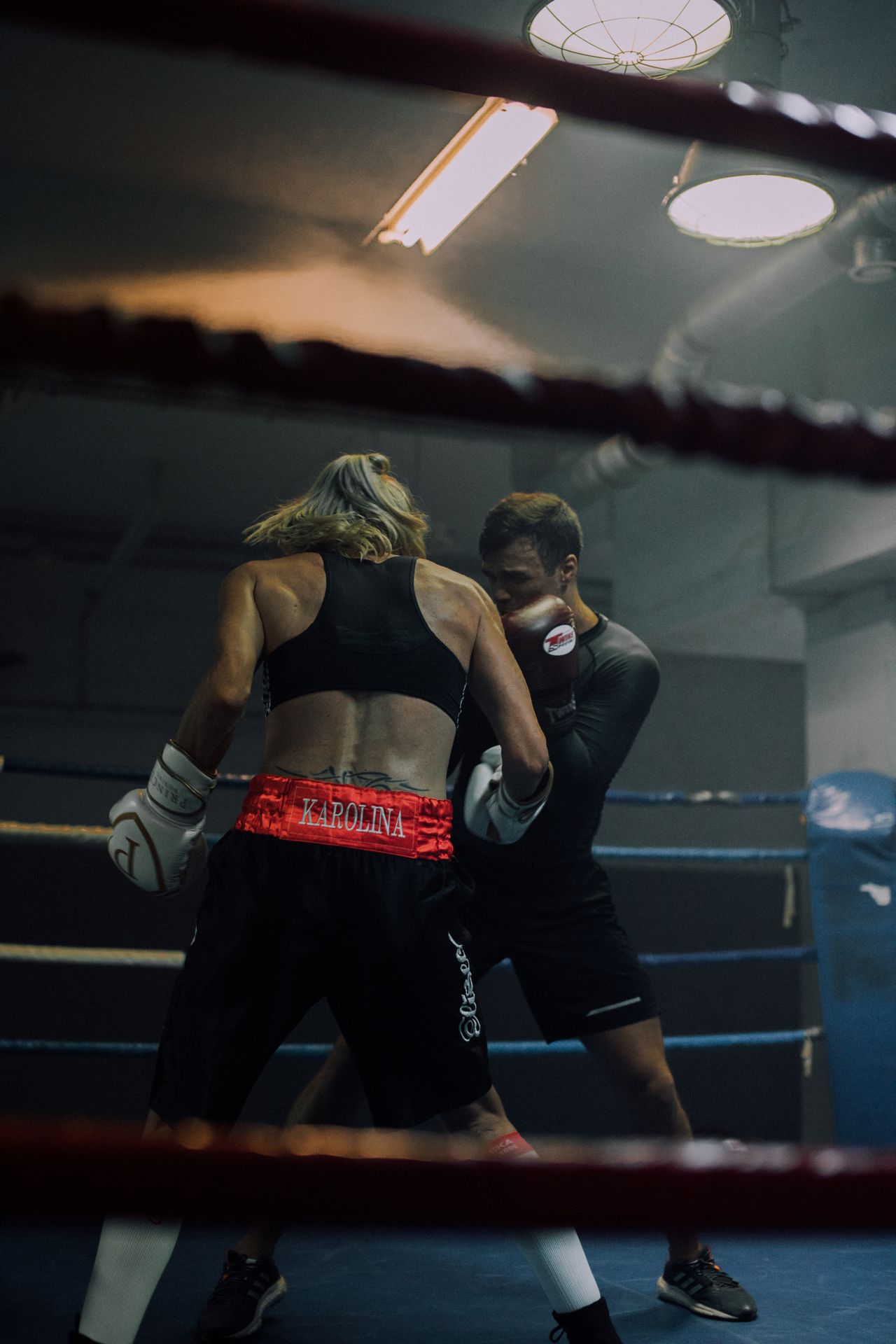
Boxing in Jordan sits inside a broader combat-sports culture where martial arts, Olympic development, military discipline, and regional competition all matter. It is not a country with the same professional championship mythology as Mexico, Puerto Rico, the United States, or the United Kingdom, but Jordan has built a meaningful boxing identity through amateur programs, national-team competition, youth development, and participation across clubs and training centers. The sport’s strongest profile is not built around a long list of famous world champions. It is built around the effort to create fighters who can compete across the Arab world, Asia, and Olympic qualification pathways.
Jordan’s boxing scene benefits from a sporting culture that respects discipline-based athletics. In Amman and other population centers, combat sports have long had a place among young athletes looking for structure, fitness, confidence, and international opportunity. Boxing is part of that environment, developing alongside taekwondo, karate, kickboxing, MMA, and other martial arts that have found audiences in the country. That crossover matters because Jordanian athletes are often introduced to boxing not only as a professional fight-game dream, but as a disciplined training system connected to national representation, self-development, and competitive sport.
The amateur side is the clearest foundation for boxing in Jordan. Fighters usually build their early careers through local gyms, federation-linked events, regional tournaments, and international amateur competitions rather than through a deep professional circuit at home. That gives Jordanian boxing a practical, developmental character. The gym is not just a place to prepare for paid fights. It is where young athletes learn footwork, balance, defense, conditioning, and ring responsibility before testing themselves against opponents from neighboring countries and wider Asian competition.
Jordan’s boxing identity also reflects geography. The country is positioned between larger combat-sports and boxing environments in the Middle East, North Africa, and Asia. Jordanian fighters do not operate in isolation. Their competitive growth often depends on regional exposure, whether through Arab championships, Asian-level events, military and police sports structures, or Olympic-style qualification. That makes Jordan a regional boxing participant more than a self-contained boxing market. Success is measured not only by professional belts, but by whether fighters can move through increasingly difficult tournament levels.
Famous boxers from Jordan are not yet household names in the global boxing mainstream, but that does not mean the country lacks boxing significance. In developing boxing nations, the important figures are often national-team athletes, coaches, club builders, and administrators who keep the sport organized long before there is a major professional breakthrough. These people shape the culture by building the habits that future fighters inherit. They create the training rooms, teach the first serious generation, and establish the expectation that Jordanian boxers can represent the country internationally.
Boxing gyms in Jordan tend to serve several audiences at once. Some athletes train for competition. Others use boxing for fitness, confidence, and general conditioning. This mixture is common in countries where the professional fight economy is still limited. A gym may produce competitive amateurs while also offering classes for people who simply want boxing training without entering the ring. That dual identity can help the sport grow. Recreational boxing brings more people into the room, while the most committed athletes move toward sparring, club competition, and national-team pathways.
Women’s boxing is one of the areas with room for growth. Across the Middle East, women’s participation in combat sports has become more visible through Olympic pathways, fitness boxing, and changing perceptions of athletic opportunity. Jordan’s future in boxing will partly depend on whether clubs and national programs can widen participation beyond a narrow male youth base. More female coaches, accessible training spaces, and competitive opportunities would make boxing more durable at the grassroots level.
Professional boxing in Jordan remains a smaller part of the national picture. The country does not have the volume of fight nights, promoters, televised cards, or professional gyms seen in major boxing markets. That means ambitious fighters often need regional or international opportunities if they want to build a professional career. For now, Jordan’s clearest route is through amateur development first: learn the sport properly, compete regionally, gain international experience, and then pursue professional opportunities where the market can support them.
The future of Jordanian boxing depends on structure. The country has the raw ingredients for a stronger scene: urban gyms, combat-sports interest, disciplined athletes, regional access, and a national identity that values international representation. The challenge is turning participation into a deeper pipeline. More local tournaments, stronger coaching education, youth development, women’s programs, and international exchange would give Jordanian boxing a clearer ladder from beginner to serious competitor. Jordan may not yet be a major boxing power, but its boxing story is still being built through clubs, coaches, amateur fighters, and athletes trying to push the country into a more visible place in the regional fight game.