Sumo wrestling as ritual and sport matters because it is not only a contest between two powerful athletes. It is a preserved cultural form where ceremony, rank, religion, discipline, and competition all meet inside the same clay ring. A sumo bout can end in seconds, but the world around it has been built over centuries: the ring-entering ceremonies, the salt, the referee’s robes, the hierarchy of ranks, and the expectation that a champion should carry dignity as well as strength. That combination is what makes sumo different. The sport is physical, but its meaning comes from the ritual frame that surrounds every match.
The Sacred World Around the Dohyo
The center of sumo is the dohyo, the raised clay ring where every official bout takes place. On the surface, the rules are direct: force the opponent out of the ring or make him touch the ground with anything other than the soles of his feet. That simplicity is part of sumo’s power. The result can be immediate, clear, and dramatic.
But sumo is not staged as a simple wrestling match. The dohyo carries religious and ceremonial meaning connected to Shinto tradition. Before tournaments and bouts, ritual actions mark the ring as more than a sporting surface. Wrestlers clap, stamp, crouch, raise their arms, and throw salt. These gestures are not decorative filler. They connect modern sumo to older ideas of purification, respect, and sacred space.
The referee, or gyoji, also reinforces that older world. His clothing resembles historical court dress, and his role is both practical and ceremonial. He directs the bout, signals the winner, and maintains the rhythm of the contest. Around him, attendants, judges, banners, rankings, and formal entrances create a setting where the sport appears almost suspended between past and present.
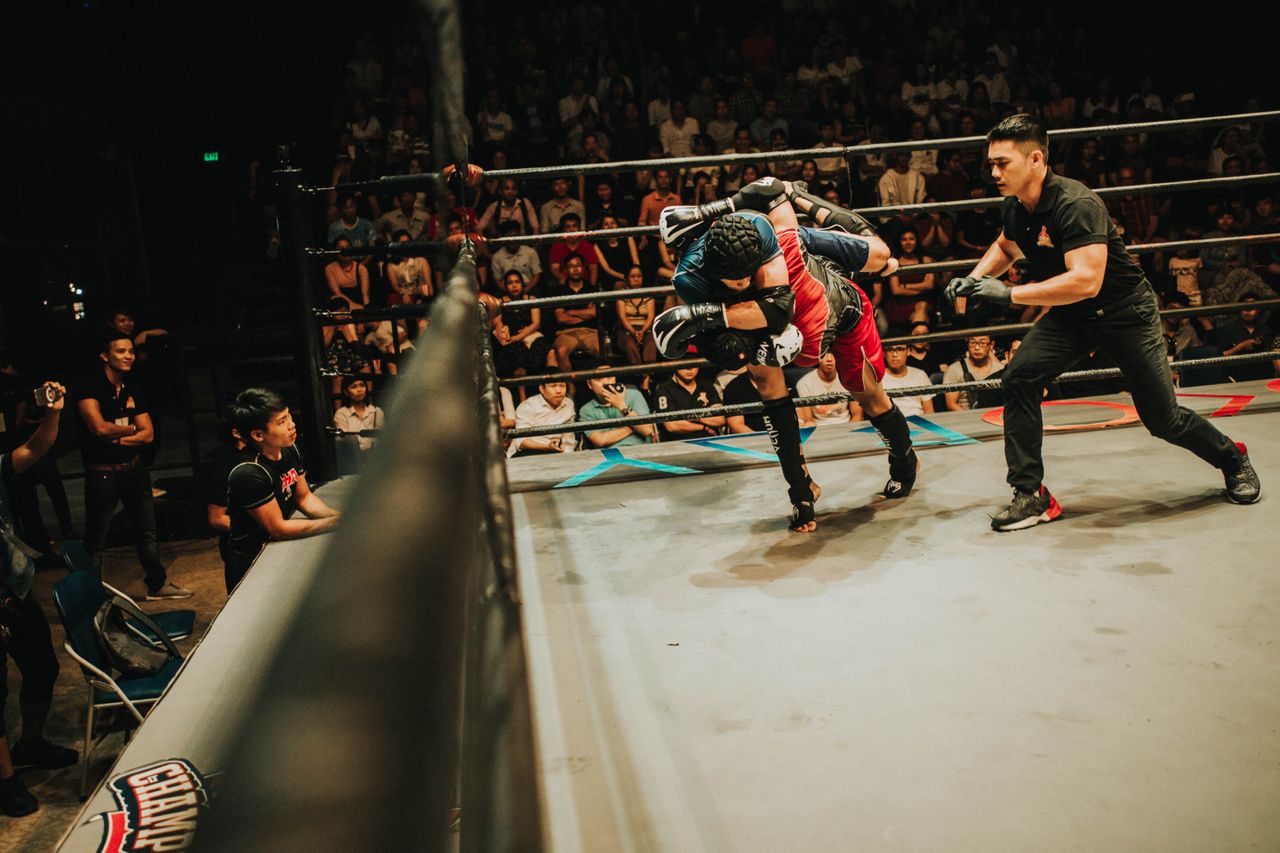
That is why sumo can feel so different from other combat sports. Boxing and MMA often build drama through confrontation, promotion, and visible tension between opponents. Sumo builds drama through repetition, silence, ritual, and sudden release. The ceremony slows time down before the collision arrives.
Sumo Wrestling as Ritual and Sport Inside the Ring
The ritual frame would not matter as much if the athletic contest were not so demanding. Sumo is often misunderstood by outsiders who see only size. Size matters, but elite sumo also requires balance, timing, footwork, explosiveness, hand placement, and a deep understanding of leverage. The margin between victory and defeat can be one step, one grip, or one mistimed charge.
The initial charge, or tachiai, is one of the most important moments in the sport. Two wrestlers begin from a crouched position and collide with force, but the tachiai is not simply a test of power. It can establish grip, angle, momentum, and psychological control. Some wrestlers attack straight ahead. Others shift, slap, pull, or seek an immediate belt hold. A match that appears brief may contain years of technical training compressed into a few seconds.
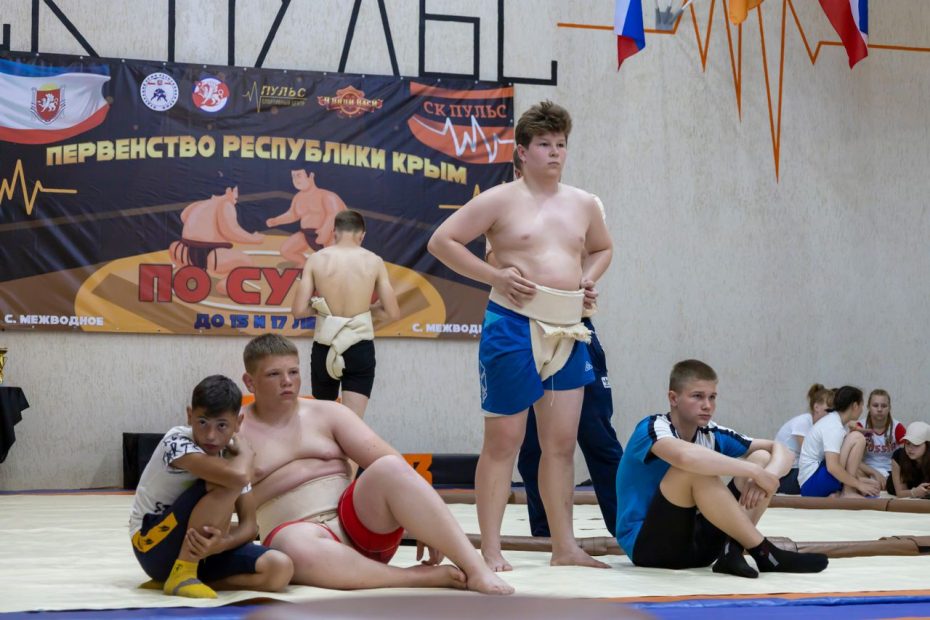
The belt, or mawashi, is central to many techniques. A strong grip can allow a wrestler to drive, lift, twist, or throw. Other wrestlers prefer pushing and thrusting attacks, using open hands to keep opponents away from the belt. These style differences give sumo variety. One bout might be a direct force contest; another might turn on misdirection, balance, or a last-second throw at the edge.
Rank gives every match another layer. The highest rank, yokozuna, is not just a competitive label. It carries an expectation of excellence, consistency, and public dignity. A yokozuna is judged not only by wins but by bearing. That makes sumo unusually strict about the relationship between performance and character. The champion is supposed to embody the sport’s standards, not merely collect titles.
This is where sumo’s dual nature becomes clearest. It is a fight, but it is also a public test of discipline. The wrestler must be explosive without appearing uncontrolled, fierce without discarding form, and ambitious while still respecting the hierarchy around him.
Why Sumo’s Ancient Form Still Matters
Sumo’s legacy comes from the way it has preserved ritual while remaining competitive. Many sports modernize by shedding older customs. Sumo has done almost the opposite. Its ceremonies are not side notes; they are part of the sport’s identity. The result is a form of combat that still feels connected to Japanese history even as it continues to produce modern champions, international stars, and global curiosity.
That continuity also creates tension. Sumo’s traditions are admired, but they are also debated. Its strict hierarchy, stable life, ceremonial expectations, and rules around sacred space can appear difficult to reconcile with modern ideas about gender, labor, publicity, and global sport. Those debates are part of sumo’s contemporary importance. The sport is not frozen in time. It is constantly being asked how much of its old world can survive inside a modern one.
International wrestlers have also changed sumo’s meaning. Champions from Mongolia, Hawaii, and elsewhere have shown that sumo can be both deeply Japanese and internationally shaped. Their success has expanded the sport’s story without removing its cultural roots. That balance is not always simple, but it is one of the reasons sumo remains so compelling.
Sumo wrestling as ritual and sport endures because neither side can be separated from the other. Without the ritual, it becomes only a contest of force. Without the sport, the ritual loses its living test. Together, they make sumo one of the most distinctive combat traditions in the world: ancient in form, immediate in impact, and still powerful enough to hold a crowd in silence before a match that may end in seconds.