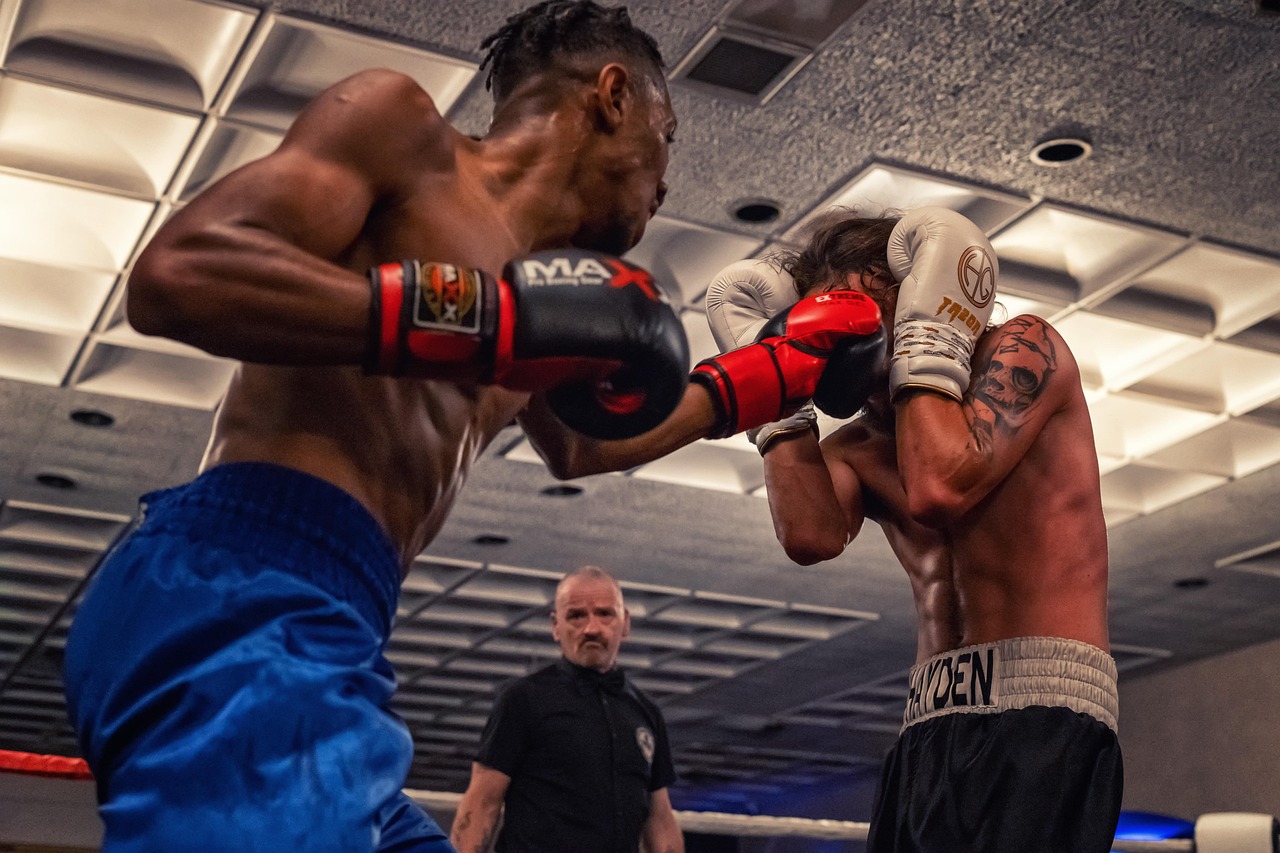
MMA in Guinea is not yet a large domestic sport, but it has become more visible because of Guinean-born and Guinean-representing fighters competing abroad. That distinction is important. Guinea’s current MMA identity is not built around a dense local promotion scene in Conakry or a long list of established homegrown professionals fighting inside the country. It is built around migration, European development, and the broader rise of African fighters finding opportunities through international gyms and regional promotions.
Losene “Black Panther” Keita is the clearest example of how Guinea can matter in MMA even before the domestic scene becomes mature. Keita was born in Conakry and later developed his professional career in Belgium, becoming one of Europe’s most exciting regional fighters before reaching the UFC featherweight division. His career is not simply a “Guinea produced a UFC fighter” story in the narrow domestic sense. It is a modern African-diaspora MMA story: a fighter born in Guinea, formed through European combat-sports infrastructure, and then elevated through major regional promotion experience. UFC lists Keita as a featherweight athlete, while Tapology records his birthplace as Conakry and his fighting base as Kortrijk, Belgium.
Keita’s success matters because it gives Guinean MMA a high-end reference point. He showed that a fighter with Guinean roots could become more than a local prospect; he could become a major European name. His run through Oktagon MMA helped define him as a dangerous, athletic, forward-pressure fighter before his UFC arrival. For Guinea, that kind of visibility is valuable because it introduces the country to fans who may not associate it with MMA at all. In a sport where national identity is often displayed through flags, walkouts, nicknames, and broadcast graphics, one successful fighter can shift perception.
Beyond Keita, the Guinean fighter pool is smaller and more scattered. Tapology’s nationality listing for Guinea includes names such as Mohamed Camara, Alpha Yero Mansare, Amhadu Djalo, Bafode Gassama, and others, but the records show a developing field rather than an established national circuit. ESPN also lists Mohamed Camara as a Guinea-associated MMA fighter. These names are useful because they show the sport exists beyond a single star, but they also show the current limits of the scene: many Guinean fighters are early in their careers, based abroad, or attached to regional opportunities outside Guinea itself.
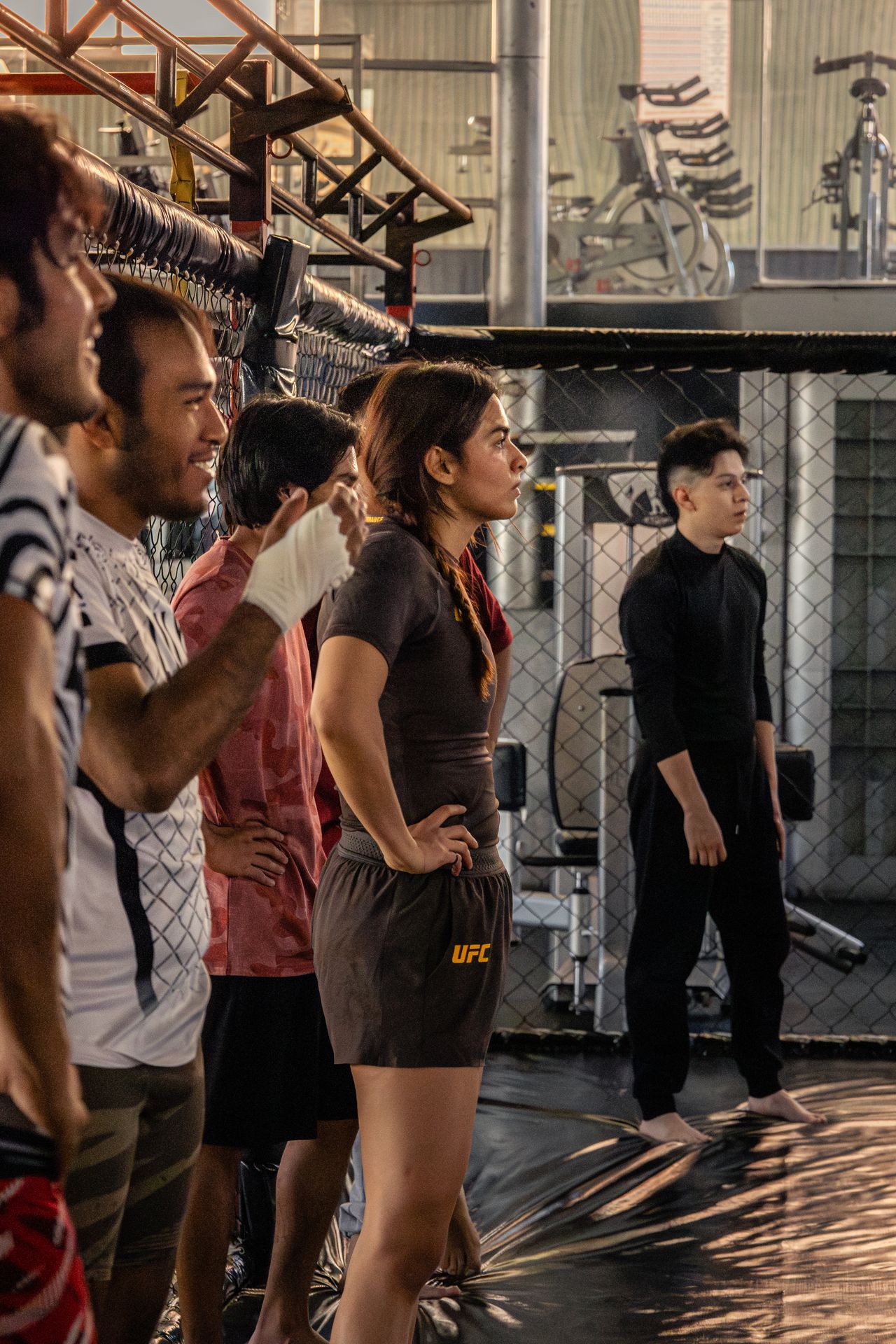
Guinea’s combat-sports foundation is more likely to come through striking, judo, wrestling-style athleticism, and informal fight culture than through a fully organized MMA system. Like many West African countries, Guinea has physical athletes who could transition well into combat sports if the infrastructure develops. The missing pieces are usually not toughness or athletic ability. They are mat time, coaching depth, regular matchmaking, medical oversight, sponsorship, and access to promotions that can move fighters beyond local recognition.
The wider African MMA environment gives Guinea a better future than it would have had a decade ago. Promotions such as PFL Africa have begun creating more visible continental opportunities, while African fighters based in France, Belgium, Portugal, Brazil, South Africa, and the Middle East now have more paths to stay connected to national identity while training abroad. That matters for Guinea because its near-term MMA growth may come less from a fully domestic league and more from Guinean athletes who train in Europe or other African hubs, then represent Guinea on larger platforms.
Guinea’s MMA profile should be described carefully. It is not yet a deep MMA country. It is not a major event destination. It is not producing waves of UFC-ready athletes from a national gym system. Its identity is emerging through a handful of internationally connected fighters, especially Keita, and through the possibility that West African MMA will become more organized in the coming years.
The future of MMA in Guinea depends on whether visibility becomes structure. Keita can inspire interest, but a scene grows when young athletes have somewhere to train, somewhere to compete, and someone to guide them through the sport’s technical demands. Guinea has the first ingredient: representation. The next step is building the domestic and regional systems that turn representation into repetition.