Yukon MMA is a small-scene story, but it is not a blank one. The territory’s MMA identity is shaped by Whitehorse, by limited population density, by travel barriers, and by the need for fighters to connect with larger circuits outside the territory. Unlike Quebec, Saskatchewan, Ontario, or Alberta, Yukon is not defined by UFC veterans or a deep professional pipeline. Its importance is local: gyms keeping the sport available, amateur fighters testing themselves on the road, and martial arts serving as both competition and community structure.
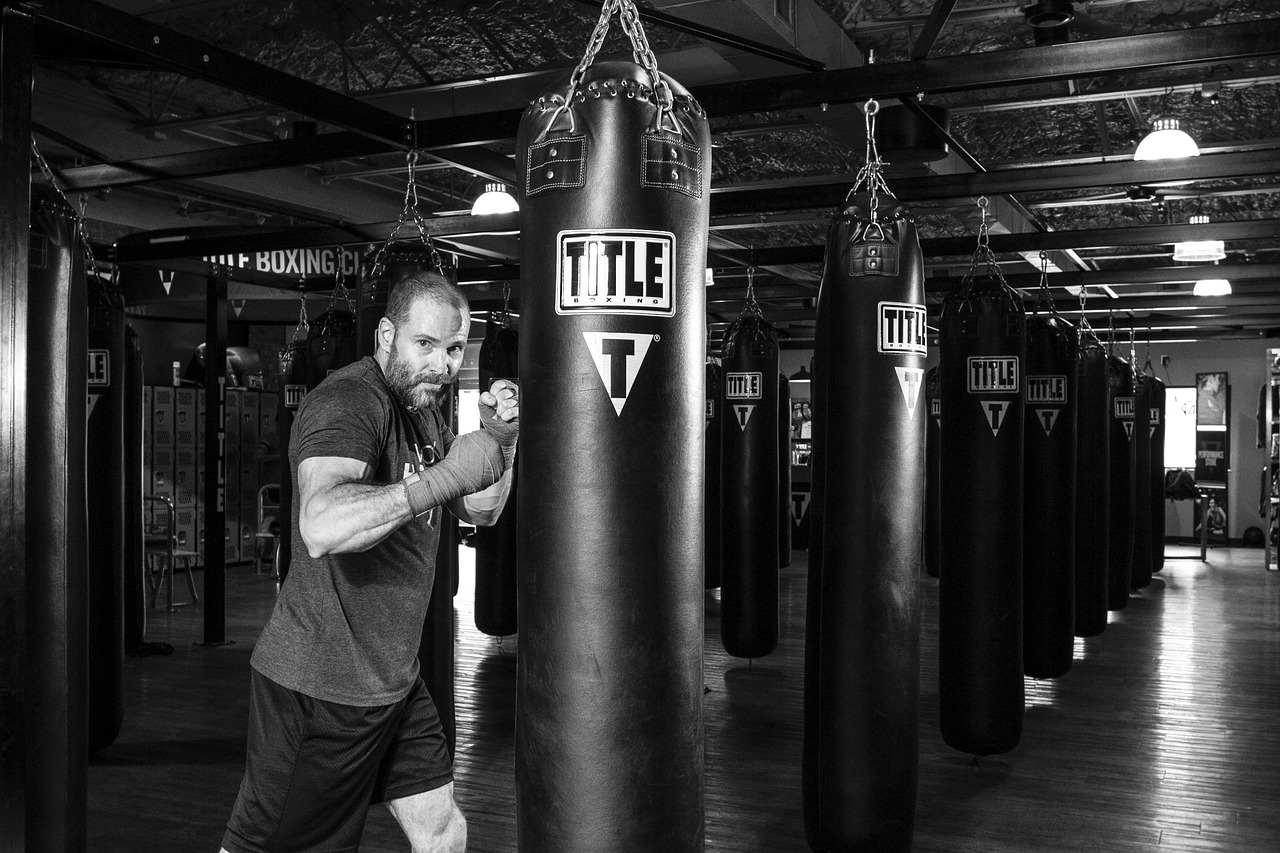
Whitehorse is the center of that scene. Avalanche MMA has been one of the key names attached to Yukon mixed martial arts, with Tapology listing the gym in Whitehorse and identifying Cliff Schultz as head coach. That kind of local gym matters more in Yukon than it might in a larger market because the scene is naturally concentrated. In a major city, fighters can move from one specialized gym to another, choosing elite wrestling rooms, BJJ academies, boxing coaches, and MMA sparring partners. In Yukon, the gym has to carry more of the ecosystem by itself.
The early 2010s appear to have been an important period for organized MMA visibility in Whitehorse. Yukon News reported in 2011 that a second MMA gym had opened in Whitehorse, noting that a Whitehorse native had returned to Yukon after competing around Vancouver. That detail captures the territory’s MMA challenge in one sentence: serious competitive experience often comes from outside Yukon, but the goal is to bring that knowledge back and make it usable at home.
Local fighters have had to pursue competition beyond the territory. The Whitehorse Star reported in 2011 that Miller Rogers, fighting out of Avalanche MMA, improved to 2-0 as an amateur after competing at Caged Rage 5 in Castlegar, British Columbia, and noted that he was the only Yukon name on the fight card. That is the Yukon pathway in miniature. The athlete may train in Whitehorse, represent the territory, and build his identity locally, but actual bouts often require travel to British Columbia, Alberta, or other regional shows.
Another Yukon-specific element is the connection between MMA and community programming. In 2011, the Whitehorse Star covered an anti-bullying MMA clinic connected to Ryan Leef and Avalanche MMA. Leef, a former Yukon MP and former mixed martial artist, used the sport as a vehicle for youth outreach and self-defence education. This does not make Yukon a major MMA market, but it does show how MMA there has operated as more than cage competition. In a small territory, martial arts can function as fitness, confidence training, anti-bullying education, and a way to create structure for young people.
Yukon’s combat-sports base is necessarily practical. Brazilian jiu-jitsu, boxing, kickboxing, wrestling-style grappling, and general self-defence training all matter because the scene cannot afford narrow specialization. A fighter from Whitehorse needs enough striking to survive, enough grappling to compete, and enough conditioning to travel into deeper circuits without being overwhelmed. That produces a different athletic culture than a major MMA city. Yukon fighters are not surrounded by endless sparring partners. They develop through repetition, toughness, and the willingness to leave the territory for tougher rounds.
The future of MMA in Yukon should be measured realistically. The territory is unlikely to become a major Canadian MMA pipeline, and it does not need to be described that way. Its MMA identity is about access, representation, and continuity. If Whitehorse gyms can keep training athletes, if regional shows remain reachable, and if coaches continue bringing outside experience back north, Yukon can sustain a meaningful grassroots scene. The goal is not volume. The goal is keeping the sport alive in a place where every fighter, coach, and gym carries more weight than they would in a larger market.