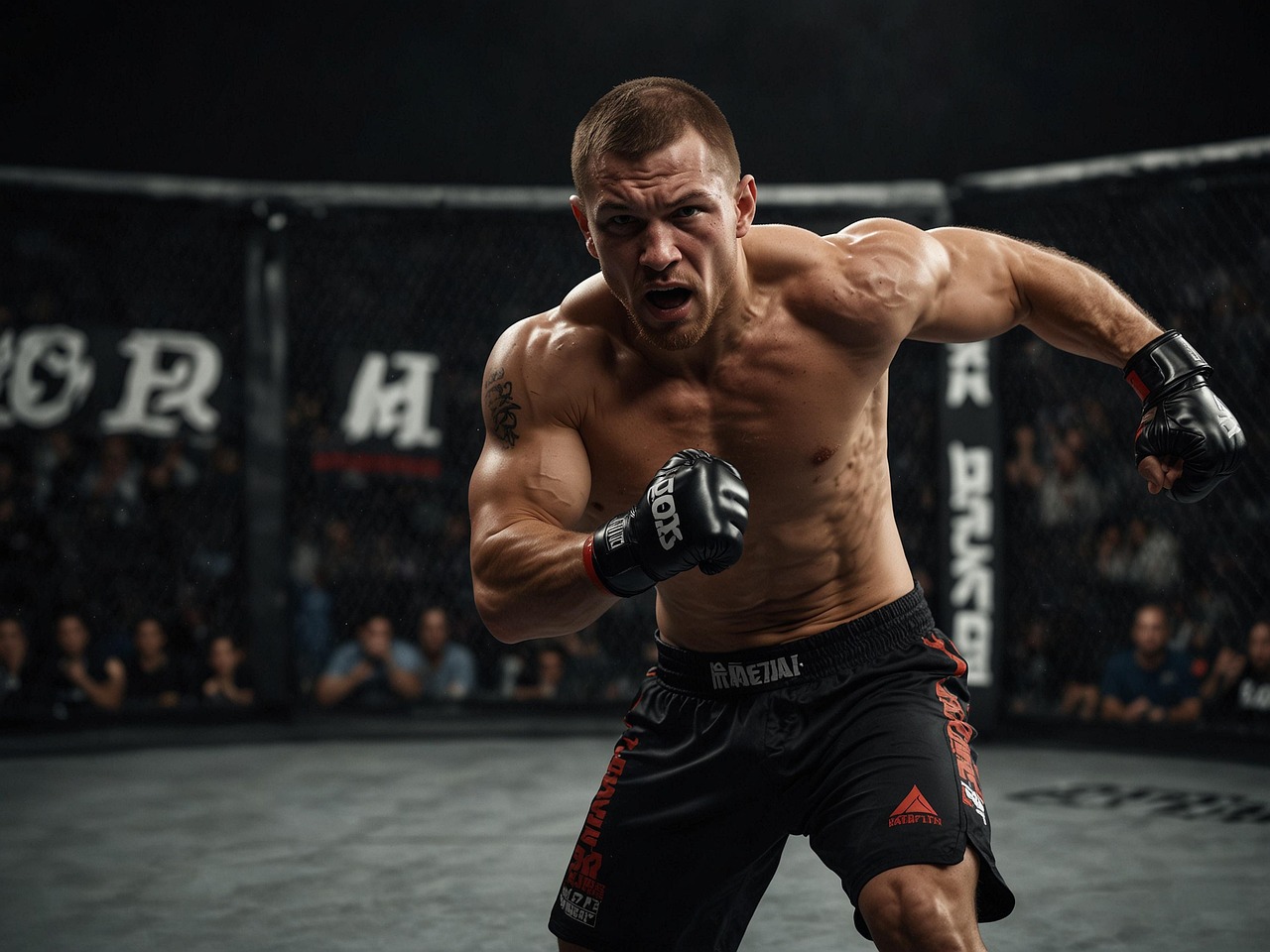
MMA in Andorra is a small-scene story shaped by geography, scale, and proximity. Unlike larger European countries, Andorra does not have a broad domestic MMA ecosystem with major promotions, internationally known fight teams, or a long list of professional fighters. Its identity is more practical and regional: a tiny mountain country where martial arts participation exists, but serious MMA development is tied closely to neighboring Spain, France, and the wider Catalan combat-sports environment.
That small size defines everything. Andorra’s population is too limited to produce the kind of deep amateur circuit that supports MMA growth in larger markets. In countries with mature scenes, fighters can move from local smokers to amateur MMA, then to regional professional shows, then to international promotions. In Andorra, that ladder is much shorter. A committed athlete may find local training options in striking, grappling, fitness, or self-defense, but higher-level competition usually requires crossing borders. For MMA, Spain and France are not simply neighbors; they are the competitive extension of the Andorran scene.
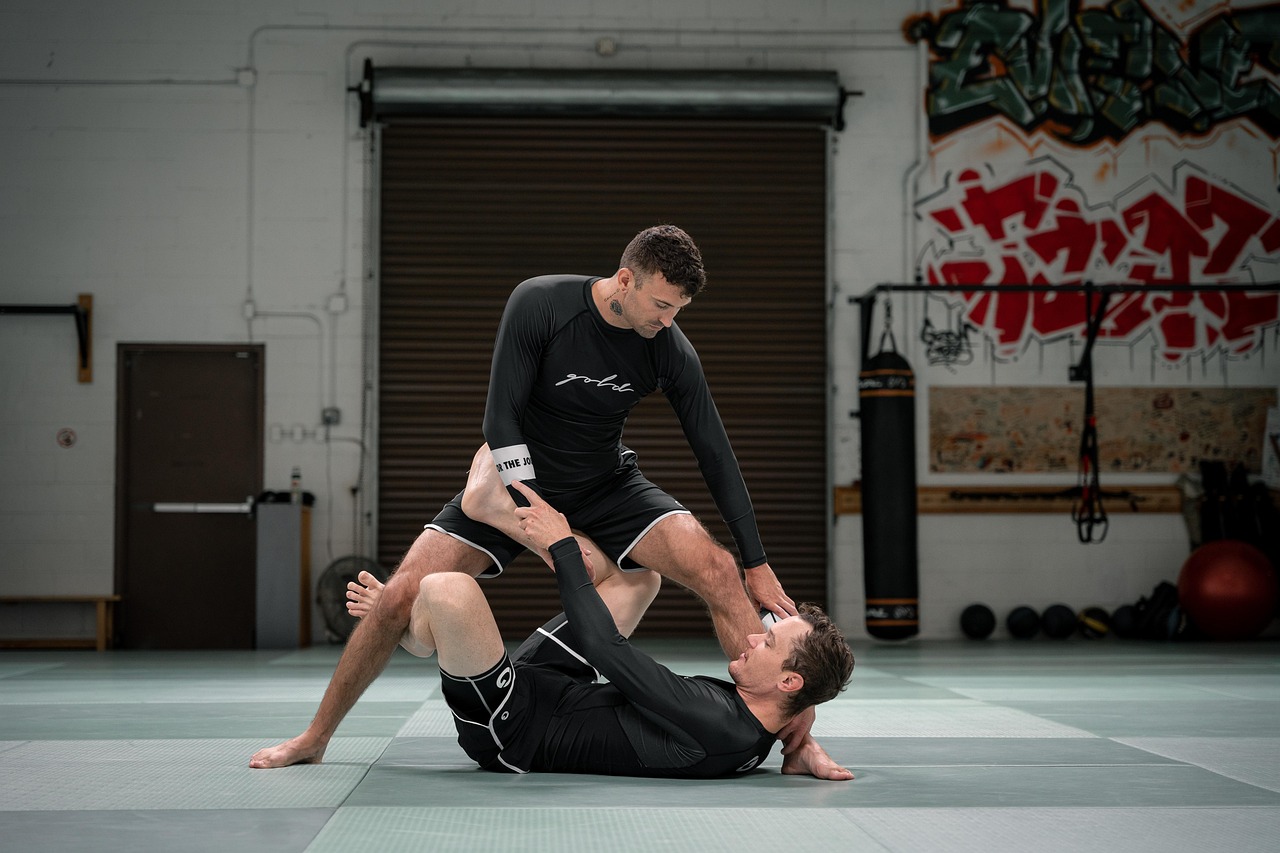
The combat-sports base in Andorra is better understood through individual martial arts than through MMA itself. Judo, karate, taekwondo, boxing, kickboxing, and Brazilian jiu-jitsu-style grappling all fit more naturally into the country’s sports landscape than a full professional MMA circuit. These disciplines are easier to organize at club level, easier to teach across age groups, and less dependent on a large pool of fighters. In a small country, that matters. A judo club or kickboxing gym can serve recreational athletes, juniors, and serious competitors without needing the promotional machinery that MMA requires.
For fighters who want to pursue MMA seriously, Andorra’s location creates both limitations and advantages. The limitation is obvious: there are fewer local sparring partners, fewer specialized coaches, fewer amateur shows, and fewer chances to build a record entirely at home. The advantage is that Andorra sits close to active combat-sports regions. Barcelona, Toulouse, southern France, and northeastern Spain provide access to larger gyms, grappling tournaments, kickboxing events, and MMA promotions. A fighter based in Andorra can live in a quiet, high-altitude environment while still traveling into stronger markets for camps and competition.
Andorra also has a unique appeal as a training base for athletes from outside the country. Its mountain setting, tax environment, and location between Spain and France make it attractive for certain professional athletes, especially those who value privacy, conditioning, and access to European travel. That does not make Andorra an MMA hub in the conventional sense. It is not Las Vegas, Dublin, Warsaw, London, or Paris. But it does mean the country can intersect with combat sports in ways that are not purely domestic. Some athletes may use Andorra more as a residence or conditioning base than as the place where their MMA identity was built.
The absence of major Andorran MMA stars is important to acknowledge rather than cover up. Andorra has not yet produced a widely recognized UFC-level fighter who defines the country’s place in the sport. That does not mean MMA has no presence. It means the scene should be understood at a smaller scale: martial arts clubs, cross-border competition, recreational training, and individual athletes who may need to attach themselves to Spanish or French systems to progress.
The future of MMA in Andorra is likely to remain regional rather than self-contained. Growth will come through better grappling instruction, more striking-to-MMA crossover, access to amateur events in nearby countries, and the continued spread of UFC and European MMA visibility. A true domestic promotion scene would be difficult because of population size, but a small community of trained fighters and fans can still exist. Andorra’s MMA identity is not built on volume. It is built on location, access, and the ability of motivated athletes to use neighboring fight markets as part of their own development.