Brunei has one of the more distinctive small-country MMA identities in Southeast Asia because its scene is closely tied to Brazilian jiu-jitsu, Khalifa Mixed Martial Arts, and the breakthrough figure of Ahmed Faez “Eazy” Anuar. This is not a large MMA market, and it should not be presented as one. Brunei’s importance comes from how a very small country built a recognizable combat-sports identity around a few committed athletes, coaches, and gyms.
Eazy Anuar is the central name. He is listed as a 3-0 professional MMA fighter from Brunei, affiliated with Khalifa MMA, and his profile with ONE Championship connects him to one of Asia’s biggest martial arts platforms. His route into MMA was unusual but valuable for Brunei’s scene: before becoming known in combat sports, he had a long rugby background and captained the national team, then became a leading figure in Brazilian jiu-jitsu and MMA. That combination of athletic experience, leadership, and coaching presence made him more than just a fighter. He became a builder.
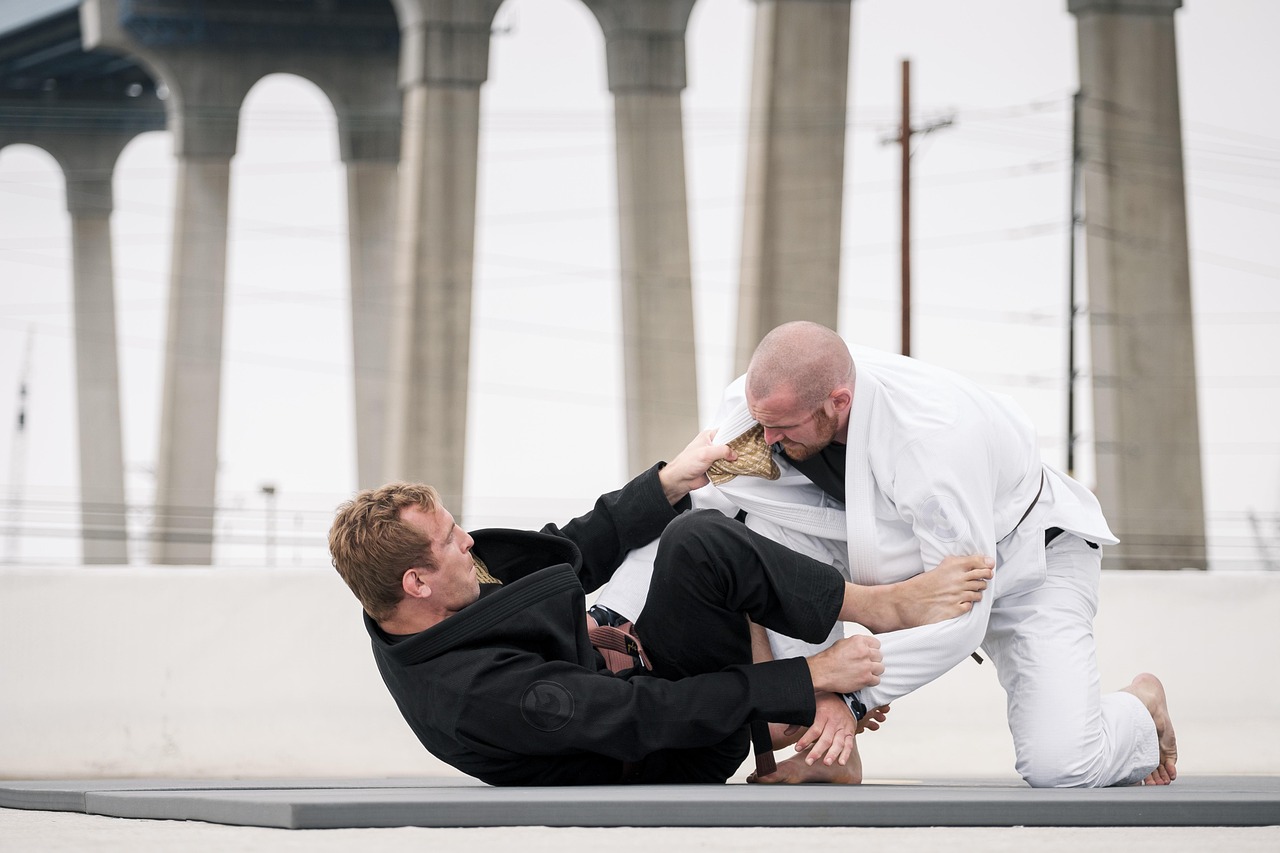
Brunei’s MMA roots are heavily grappling-based. A 2018 look at the country’s BJJ scene described Ahmad Faez as Brunei’s highest-ranked belt at the time and noted Khalifa MMA as a central academy, with other notable clubs including The Refinery in Belait, Wolfpack Training Ground in Tutong, and Jits Irmao in Tutong. That is the kind of detail that explains how MMA can grow in a small country: not through dozens of professional fight teams, but through a few academies that teach enough grappling, striking, and conditioning to create a serious martial arts culture.
The country also has other Brunei-linked MMA names, including Mohd Nor Hidayat, Muhammad Adib “Deep” Sulaiman, Koo Jin Fuh, Dayat, and several amateur or lightly recorded fighters. The records are modest, but the presence of multiple names shows that Eazy Anuar is not the only person to attempt the sport. Brunei’s challenge is turning that small group of competitors into a sustainable system where fighters can progress from local training to amateur bouts, then to regional competition in Malaysia, Singapore, Indonesia, the Philippines, or larger Asian promotions.
The Southeast Asian setting gives Brunei both opportunity and difficulty. On one hand, the region is rich in striking arts, submission grappling growth, and professional platforms. ONE Championship has helped make Asian MMA more visible, and regional amateur structures are becoming more organized through bodies such as the Asian Mixed Martial Arts Association. On the other hand, Brunei’s small population means it will always need cross-border competition. A domestic scene alone cannot provide enough opponents across weight classes and experience levels.
Brunei’s MMA culture is therefore best viewed as academy-led. Khalifa MMA and the BJJ network around it are more important than a long list of fight events. The gym is the center of the ecosystem: it creates practitioners, introduces beginners to grappling, gives serious athletes a place to sharpen technique, and connects Brunei to regional martial arts standards. In a country this size, one respected academy can shape the entire direction of the sport.
The future of MMA in Brunei depends on whether its grappling base keeps expanding and whether its best athletes can find regular competition abroad. The country may not produce a large number of professional fighters, but it can produce technically credible athletes if the BJJ foundation remains strong. Brunei’s MMA story is not about scale. It is about a compact martial arts community using jiu-jitsu, regional ambition, and a few pioneer figures to build a real identity in the sport.