Boxing in Iraq is best understood as an amateur and regional-competition sport rather than a fully developed professional fight market. The country has a boxing history, Olympic participation, and active competitive structures, but it has not become globally known for professional champions in the way that Mexico, Puerto Rico, the United States, Britain, Japan, or the Philippines have. Iraqi boxing has usually lived closer to national teams, clubs, police and military-style athletic structures, youth development, and tournaments across the Middle East and Asia.
Iraq’s Olympic boxing record gives the sport a longer international footprint than casual observers might assume. Iraqi boxers appeared at the Olympics as far back as 1960, with Taha Abdul Karim and Khalid Al-Karkhi competing in Rome, and the country returned with boxers in later editions including 1964 and beyond. That matters because it places Iraqi boxing inside the classic amateur boxing map: national representation, continental qualification, Olympic ambition, and technical preparation rather than professional stardom.
The challenge for Iraq has been turning that participation into sustained international success. Boxing requires more than talented fighters. It needs gyms, medical oversight, coaching continuity, domestic tournaments, federation stability, international travel, equipment, and enough competitive rounds for fighters to mature. For countries with disrupted sports infrastructure, that is difficult. Iraq has produced tough, skilled athletes across combat sports, but the boxing system has often had to operate under conditions that make long-term development uneven.
That is why modern Iraqi boxing should be viewed through the lens of resilience and regional rebuilding. Domestic clubs and national-team structures remain important, but Iraqi fighters also need competitive exposure outside the country. Regional tournaments in Iran, the Gulf, and broader Asian boxing circuits are especially valuable because they give Iraqi boxers rounds against different styles. In 2025, Iraqi boxers returned from a tournament in Iran with medals, including a gold for Mohammad Sattar in the 60-kilogram division, showing that Iraq still has athletes capable of competing successfully in regional amateur boxing.
The most important Iraqi boxing figures are therefore not only famous professionals. They include Olympians, national-team boxers, coaches, and club trainers who keep the sport functioning between major events. A country like Iraq does not build boxing identity only through championship belts. It builds it through repeated participation: a boxer qualifying for a regional event, a club producing a youth champion, a national team sending fighters abroad, or an athlete earning a medal in a neighboring country.
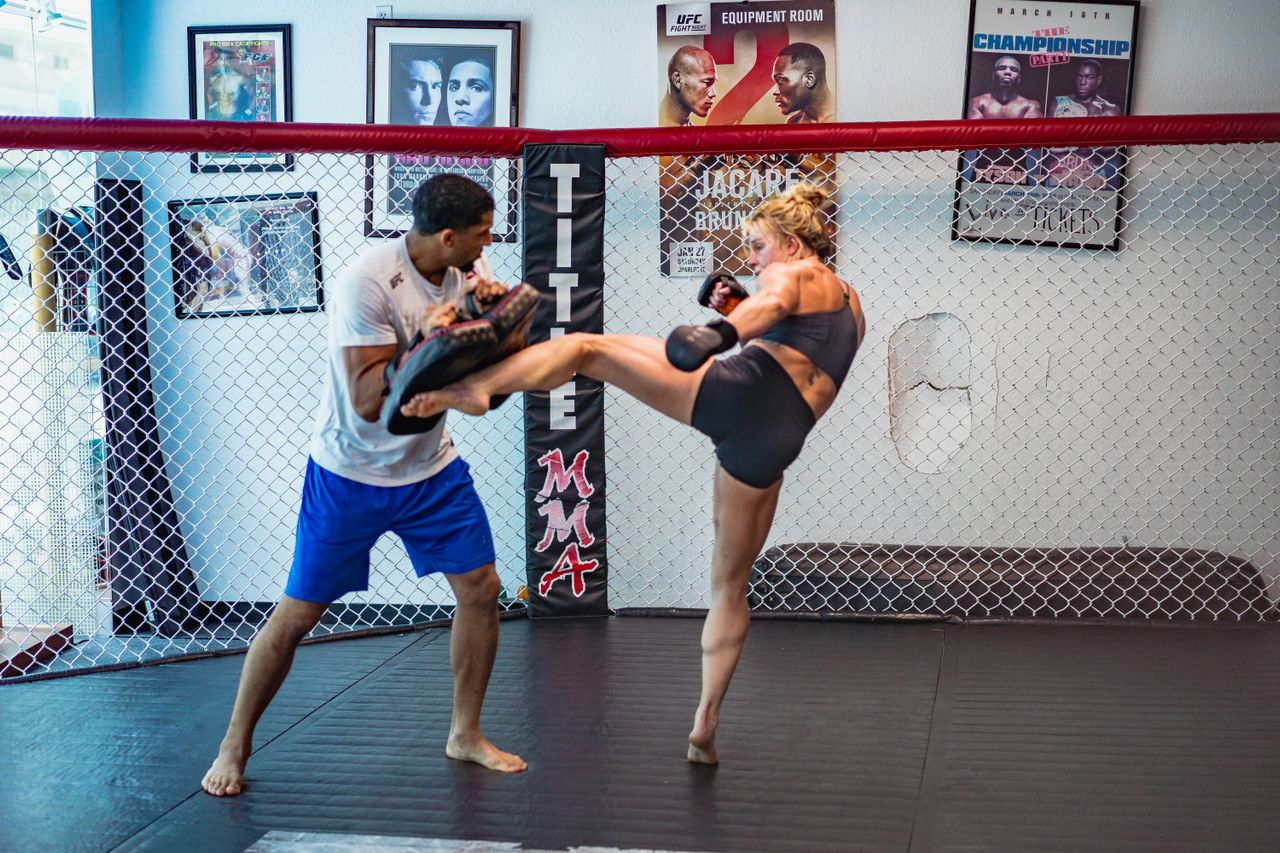
Boxing gyms in Iraq serve a different purpose from commercial boxing gyms in wealthier markets. They are not simply fitness spaces or lifestyle brands. At their best, they are development rooms, discipline centers, and entry points into organized sport. The training culture is likely to be most meaningful in cities where clubs can gather enough athletes, coaches, and competition opportunities to create real progression. For young fighters, the pathway is usually amateur first. Professional boxing may exist as an aspiration, but the practical route runs through national tournaments, Asian boxing structures, and cross-border competition.
Iraq’s boxing future depends on whether that amateur base can become more consistent. The country does not need to copy the professional model of Las Vegas or London. Its more realistic boxing identity is as a regional combat-sports nation with a serious amateur tradition and room to grow. Better coaching exchange, youth events, women’s participation, stronger domestic championships, and more regular international competition would matter more than occasional professional appearances.
Boxing in Iraq is not a glamour product. It is a hard, developmental sport with an international history and a regional present. Its value lies in the athletes and coaches who keep the sport active despite limited visibility. If Iraqi boxing rises further, it will probably come first through amateur tournaments and Asian competition before it produces a widely recognized professional star.