MMA in Nunavut is best understood as a small, infrastructure-limited combat sports scene rather than a conventional fighter-producing market. The territory does not have the dense gym network, regular sanctioned fight cards, or established professional pipeline found in larger Canadian provinces. Its MMA identity is shaped by geography first: isolated communities, high travel costs, limited access to specialized coaching, and a small population spread across a vast northern territory.
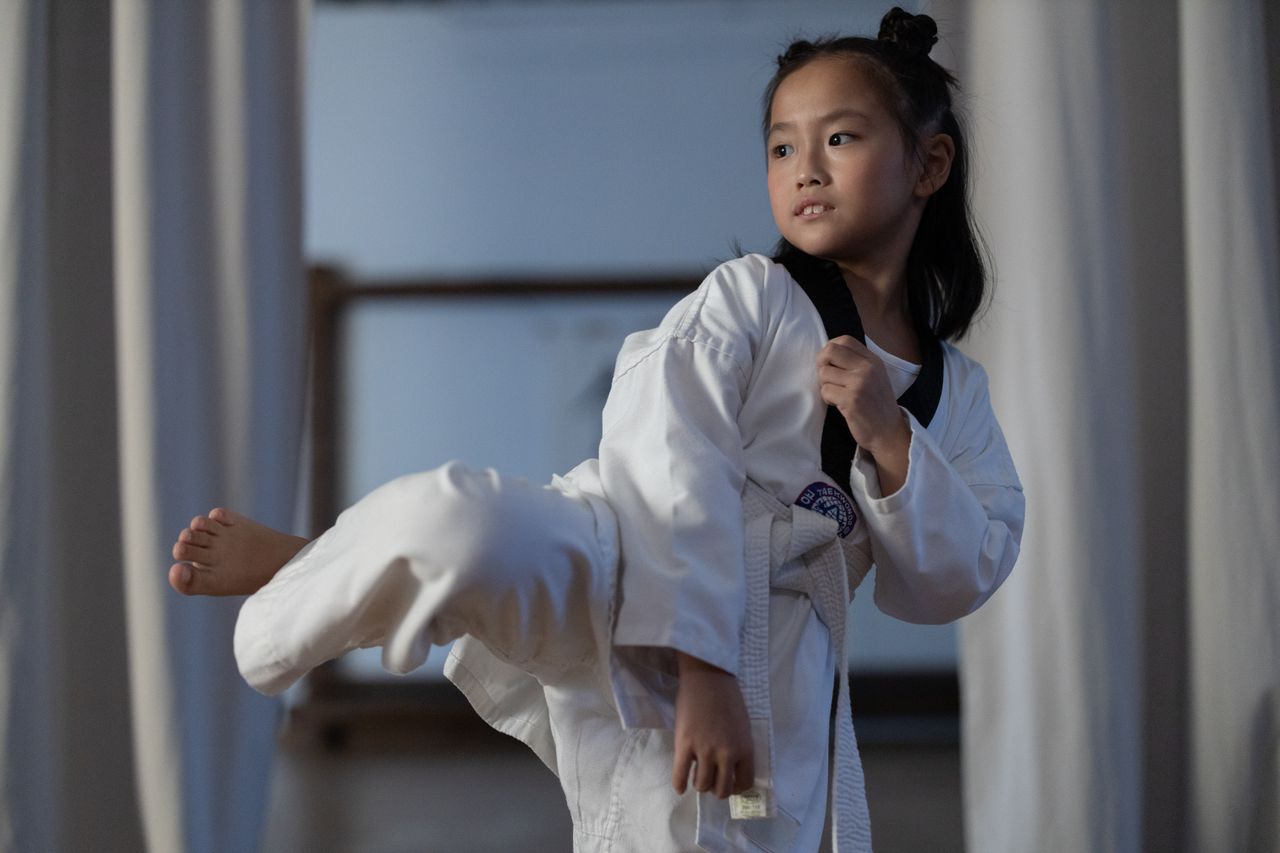
That does not mean combat sports have no place in Nunavut. It means MMA develops differently there. In larger provinces, a young athlete might move between wrestling, Brazilian jiu-jitsu, boxing, Muay Thai, and MMA-specific sparring inside the same city. In Nunavut, access is more uneven. Training opportunities are likely to appear through community recreation, visiting instructors, youth programs, wrestling, self-defence classes, or individual coaches rather than a deep competitive MMA circuit. Nunavut has had wrestling representation at events such as the Canada Games, which matters because wrestling is one of the clearest athletic foundations for MMA when athletes later gain access to broader training environments.
The territory’s professional MMA limitations are also tied to regulation. Professional MMA in Canada depends on provincial or territorial authority to regulate and sanction professional combative sport events. Nunavut has not developed the kind of athletic commission framework that allows a regular professional MMA event scene to operate locally, so fighters from the territory would generally need to compete elsewhere if they wanted sanctioned professional bouts.
For that reason, Nunavut should not be described as an emerging MMA hub. A more accurate profile is that of a northern territory where MMA exists at the edge of broader martial arts and combat-sports participation. The most important development questions are practical: who can coach, where mats are available, whether striking and grappling can be taught safely, and how often athletes can travel south to compete or train.
The most notable individual connection is not a major UFC star, but it is still relevant: Matthew Trudeau, a Brazilian jiu-jitsu black belt and former professional MMA fighter, is identified by Tanuki Martial Arts in Toronto as being born in Iqaluit and raised in Yellowknife before beginning martial arts and MMA training later in life. That kind of path illustrates the territory’s larger MMA reality. The North can produce athletes and martial artists, but the high-level MMA pathway usually requires relocation, travel, or connection to gyms in southern Canada.
In Nunavut, the future of MMA is more likely to come through grassroots martial arts than professional fight promotion. Youth wrestling, kickboxing, jiu-jitsu, self-defence programming, and visiting coaches can create the base. From there, athletes who want to compete seriously would probably need to connect with gyms in Ottawa, Montreal, Toronto, Edmonton, Calgary, or other Canadian cities with established amateur and professional systems.
That gives Nunavut a very different MMA identity from Ontario, Quebec, Alberta, or British Columbia. It is not a market defined by major events or famous names. It is a territory where combat sports are constrained by distance, population, facilities, and regulation, but where the basic ingredients of MMA can still exist through wrestling, grappling, striking, and individual commitment. If Nunavut ever develops a more visible MMA scene, it will likely start with small community programs long before it produces regular pro cards.