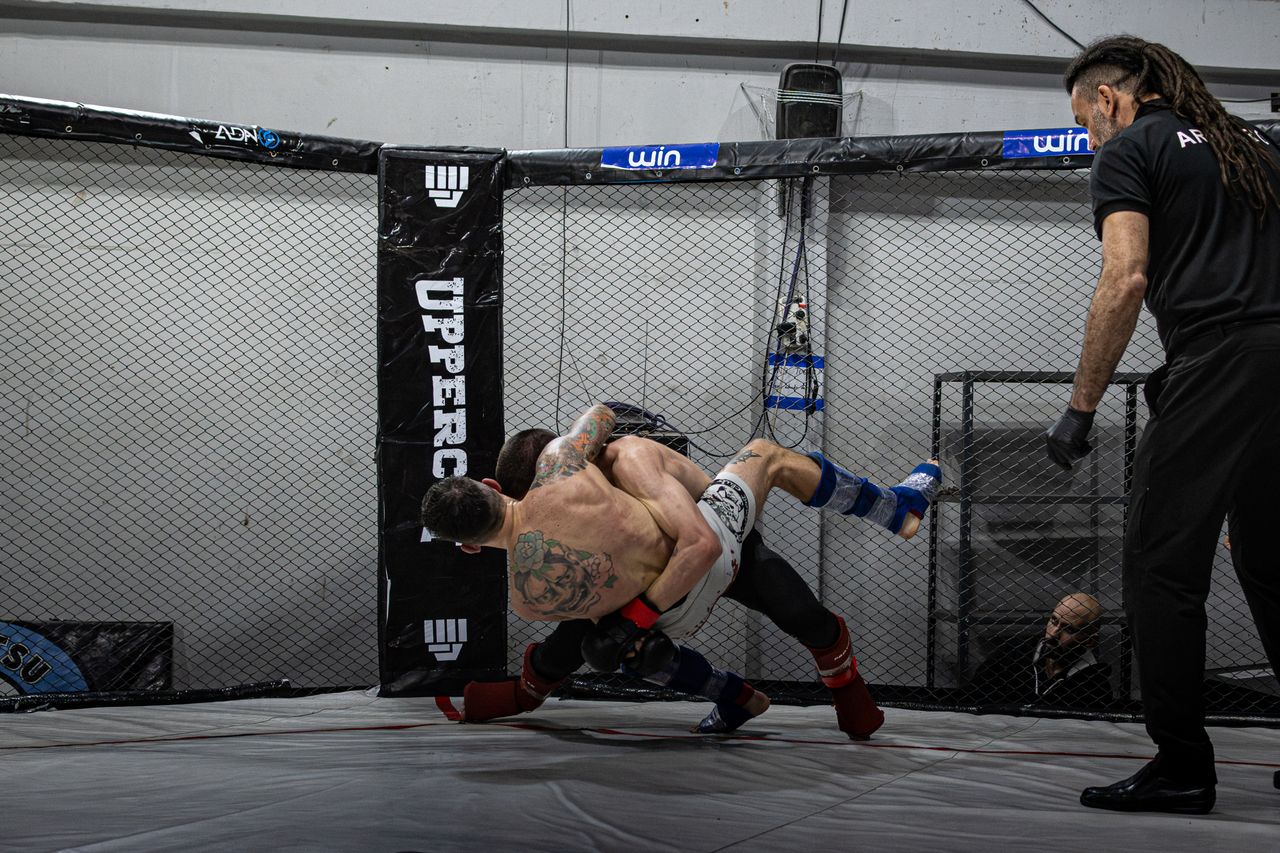
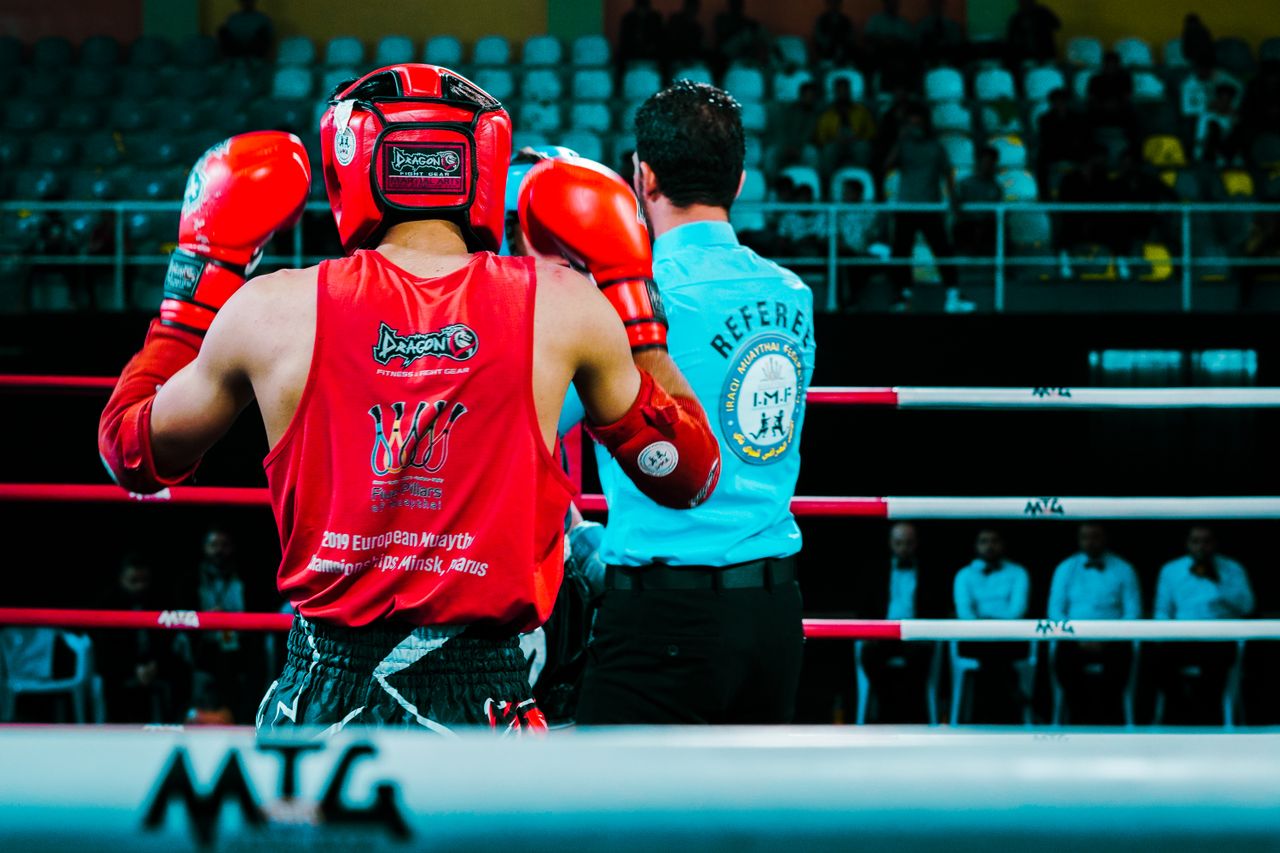
New Hampshire MMA is best understood as part of the broader New England fight circuit. It is not a massive national hub, and it does not have the same concentration of elite gyms as Las Vegas, South Florida, Southern California, or Albuquerque. Its identity is smaller, more regional, and more practical: local gyms, tough amateur cards, New England promotions, and fighters using the state as a bridge toward larger opportunities.
The state’s most important MMA engine is the New England circuit around Manchester, southern New Hampshire, northern Massachusetts, Maine, and the Boston area. That regional ecosystem gives New Hampshire fighters access to competition without needing to relocate immediately. Combat Zone MMA is central to that picture. The promotion describes itself as New England’s premier MMA promotion since 2000, and its events at SNHU Arena in Manchester have given the region a consistent fight-night platform. Its own materials identify the promotion as owned and operated by UFC veteran Calvin Kattar, which further ties New Hampshire’s local fight scene to New England’s higher-level MMA network.
That matters because New Hampshire does not need to function like a standalone fight state to be relevant. It functions as a development pocket within a regional system. Fighters can train locally, compete in Manchester, cross into Maine or Massachusetts for additional cards, and build records against opponents from across New England. In a sport where early matchmaking and steady competition are essential, that kind of regional density matters more than state size.
Devin Powell is one of the clearest examples of the New Hampshire pathway. Born in Somersworth, Powell competed in the UFC, Bellator, and World Series of Fighting, and his gym identity remained tied to the Seacoast area. His career shows the kind of route available to fighters from smaller states: build locally, win regionally, catch attention from larger promotions, and then return value to the scene as a coach or gym owner. Powell’s Nostos MMA presence in Somersworth gave New Hampshire a recognizable professional connection rather than just a collection of recreational martial arts schools.
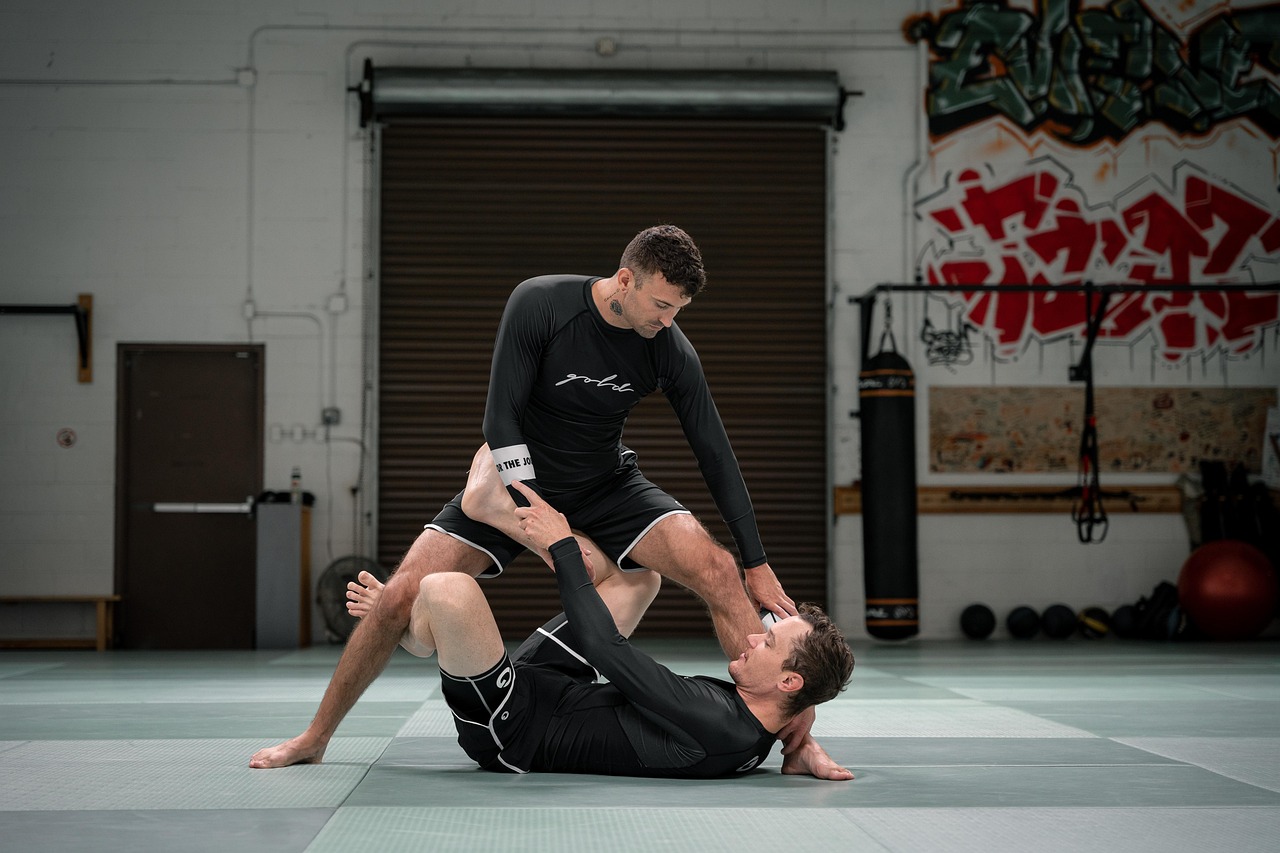
The state’s gym culture is built more around accessibility and development than star-heavy fight camps. Nashua’s Karasu Tengu Academy, for example, markets itself as an MMA academy for all skill levels, including competition-level athletes, with training available in the southern part of the state. That kind of gym is important in a smaller MMA market because it introduces beginners to the sport while also giving local competitors a base. Not every successful MMA area starts with famous champions. Some start with durable rooms where grappling, striking, conditioning, and amateur preparation can happen consistently.
New Hampshire has also become more interesting because of outside investment in training infrastructure. In 2025, Mauricio Ruffy discussed expanding the Brazilian team Fighting Nerds into New Hampshire, with the branch intended to help athletes prepare for fights in the United States. That is not the same thing as New Hampshire suddenly becoming a global MMA capital, but it does show why the state can be useful. It is close enough to the Northeast fight circuit, Boston-area talent, and major East Coast travel routes to serve as a practical training base.
The future of MMA in New Hampshire depends on whether it can keep connecting local athletes to regional competition. The state is unlikely to become a major UFC talent factory by itself, but that is not the right standard. Its role is more specific: a New England development state with local gyms, a Manchester event base, and enough regional connectivity for committed fighters to move from amateur cards toward pro opportunities. For New Hampshire, success looks less like mass production and more like a steady pathway.