Alberta’s MMA identity is built around two things that rarely stay separate for long: hard-nosed fighter development and regional promotion infrastructure. Calgary and Edmonton have both mattered to Canadian mixed martial arts, but Alberta’s place in the sport is not just about producing recognizable names. The province has also been one of Canada’s most important proving grounds, where athletes move from local gyms and regional cards toward national attention, UFC Fight Pass exposure, and, for a select few, the UFC itself.
The fighter list gives Alberta real credibility. Edmonton has been associated with veteran middleweight Jason MacDonald, one of the recognizable Canadian UFC names from the sport’s earlier modern era. Calgary has produced Hakeem Dawodu, a striker whose path from local combat sports into the UFC gave Alberta a more contemporary featherweight presence. Tanner Boser, from Bonnyville and later fighting out of Alberta, added a heavyweight identity to the province’s MMA profile, while names such as Mitch Clarke, Nick Ring, Sheldon Westcott, and others helped make Alberta feel less like a one-fighter province and more like a recurring Canadian source of UFC-level athletes. UFC coverage has repeatedly tied Dawodu to Calgary, Boser to Alberta, and MacDonald to Edmonton, which matters because provincial MMA identities are often built through exactly that kind of repeated association.
What separates Alberta from smaller Canadian MMA scenes is the promotional ladder. Unified MMA has been especially important in that role. The UFC has described Unified as an Alberta-based path that sent multiple Canadian athletes to the Octagon, with Boser standing out as a heavyweight who built a large part of his pre-UFC résumé inside the promotion. That kind of platform matters in a country where fighters often need to travel long distances for meaningful competition. Alberta has not simply produced fighters; it has staged the kind of regional fights that allow Canadian athletes to sharpen records, defend belts, and get noticed.
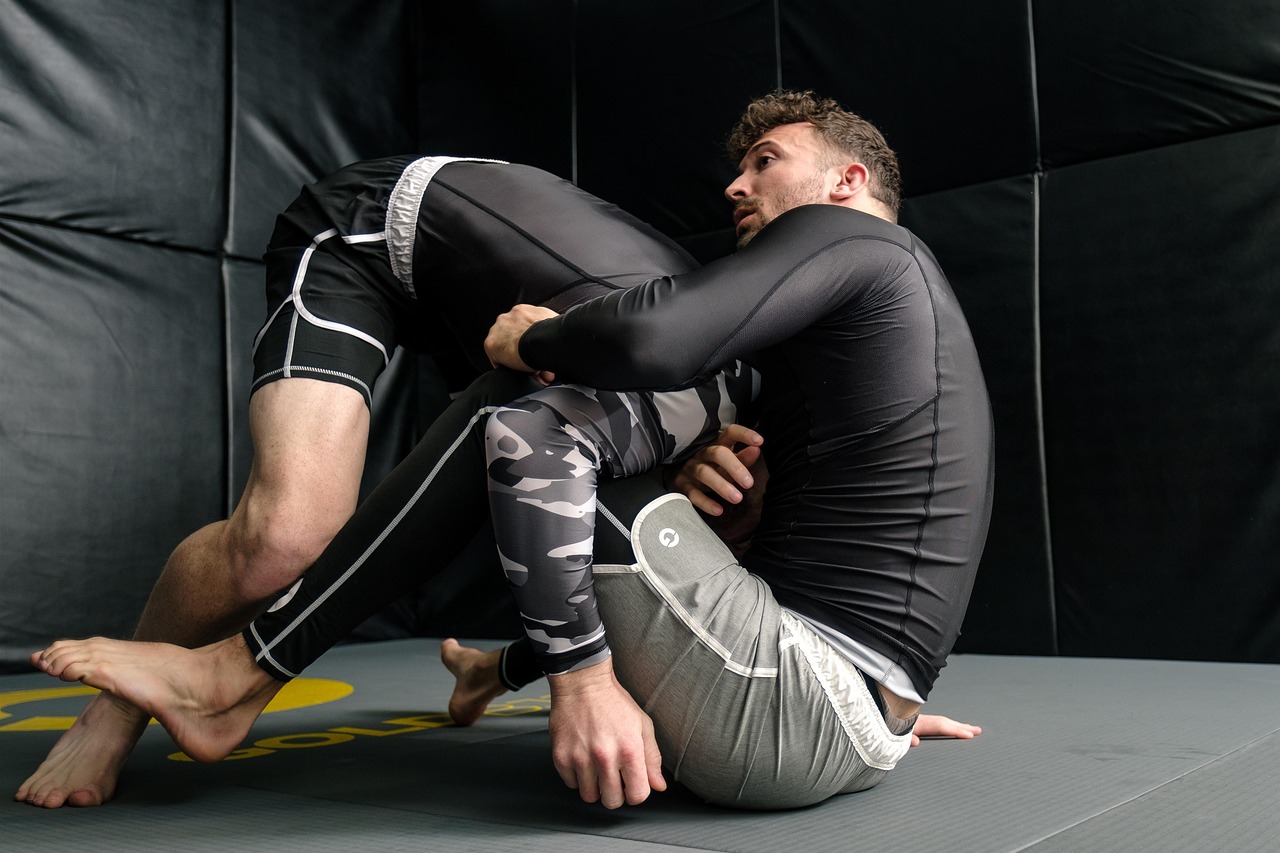
Alberta’s combat-sports roots lean more toward practical cross-training than one single dominant discipline. There is boxing, kickboxing, Brazilian jiu-jitsu, wrestling, and Muay Thai across the province, but the MMA identity is less like Iowa wrestling or Dagestani sambo and more like the Canadian regional gym model: athletes often build themselves through a mix of striking rooms, grappling academies, and local fight cards. The province’s geography also shapes the scene. Calgary and Edmonton provide the main urban anchors, but fighters from smaller communities can still become part of the provincial pipeline if they find the right gym, the right coach, and enough regional competition.
Alberta has also hosted major UFC attention. Calgary staged UFC Fight Night in 2018 at the Scotiabank Saddledome, with Dawodu appearing on the card, giving the province another moment where local and international MMA overlapped. Those events are not the same thing as having a weekly grassroots circuit, but they reinforce the sense that Alberta is a legitimate Canadian MMA market rather than a peripheral one.
The province’s future depends on whether the development ladder remains active. Alberta already has the pieces that matter: recognizable UFC alumni, a history of regional promotion, serious gyms, and enough combat-sports culture to keep feeding new athletes into amateur and professional competition. It is not Canada’s only MMA hub, and it does not have the single national icon that Quebec has in Georges St-Pierre, but Alberta’s identity is durable. It is a fighter-producing province with a real regional circuit, a history of UFC-level talent, and a practical training culture that continues to make it one of the more important MMA provinces in Canada.