Dallas boxing has the feel of a large metropolitan fight scene with multiple layers. It is a professional sports city, a major event market, a Mexican American boxing hub, a youth boxing environment, and a regional base for fighters moving through Texas and the Southwest. Unlike smaller boxing cities, Dallas does not rely on a single gym, one famous fighter, or one historic era to define itself. Its boxing identity comes from scale.
The Dallas-Fort Worth area gives boxing a huge population base, strong Latino fight culture, major venues, and access to a state where combat sports have long had deep roots. Texas boxing is shaped by local gyms, borderland influences, Mexican and Mexican American boxing traditions, and a steady flow of fighters from Houston, San Antonio, El Paso, Fort Worth, Austin, and Dallas. In that landscape, Dallas operates as one of the state’s major stages.
The professional side of Dallas boxing is tied to the city’s ability to host big events. The metro area has the arenas, hotels, media infrastructure, and sports audience needed for major fight nights. AT&T Stadium in nearby Arlington has helped turn North Texas into a destination for large-scale boxing events, especially when Mexican or Mexican American stars are involved. That matters because Dallas is not just producing fighters. It is part of the modern boxing business.
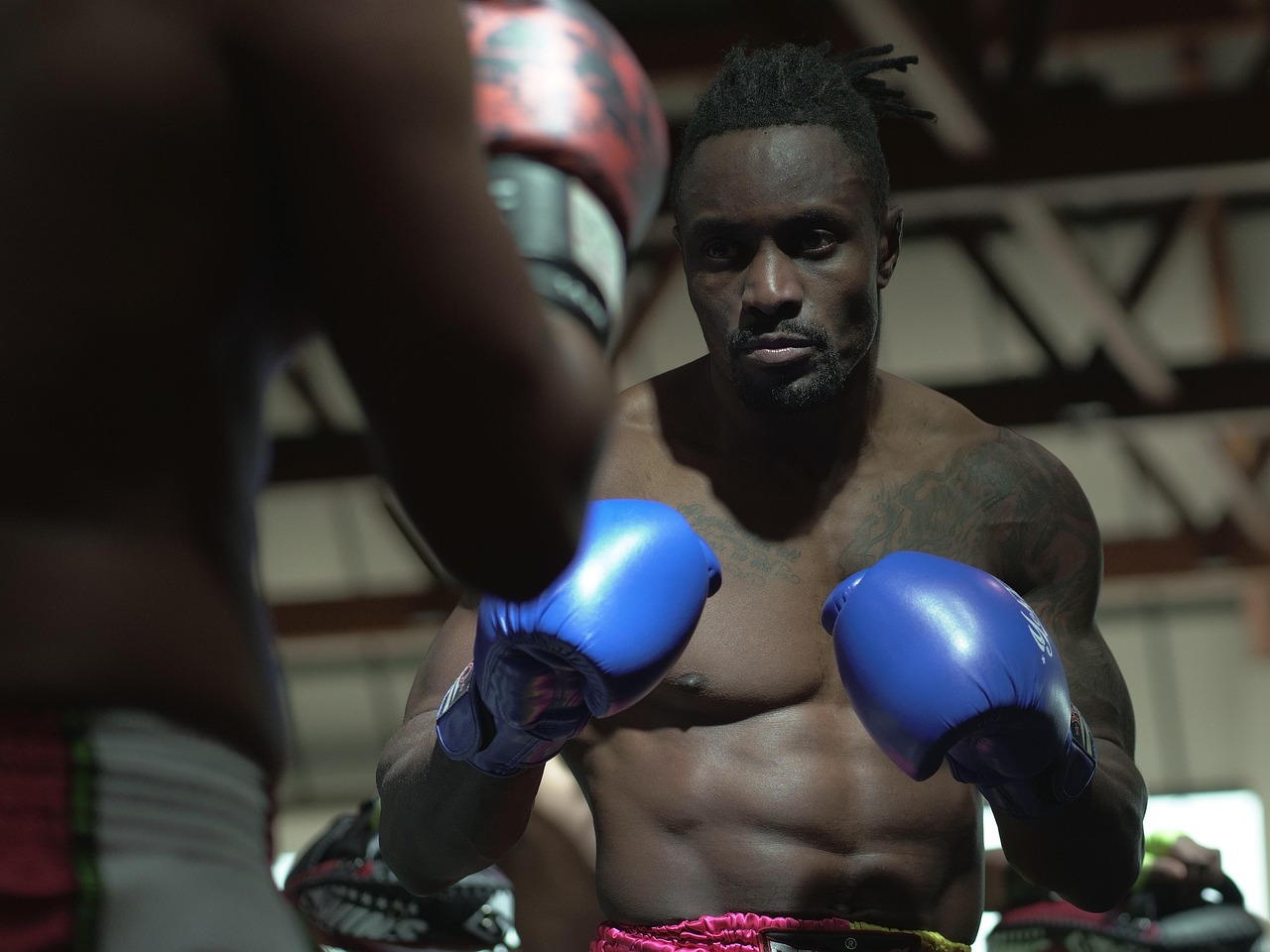
But the deeper boxing culture is found in the gyms. Dallas boxing gyms serve a wide range of fighters: amateurs chasing tournaments, teenagers looking for discipline, adults using boxing as serious conditioning, and professionals trying to sharpen themselves between camps. In a city this large, boxing cannot be reduced to one neighborhood or one style. There are slick boxers, pressure fighters, fitness boxers, youth competitors, and fighters shaped by Mexican-style body punching, forward pressure, and toughness.
Dallas also has a strong connection to amateur boxing. The city’s youth programs and club structure are central to the local scene because amateur boxing is where many fighters first learn how to compete. The amateur ranks force boxers to fight at pace, win short rounds, and adapt quickly. For a Dallas fighter, the local amateur scene can lead to state tournaments, regional events, national competitions, and eventually the professional circuit.
The famous boxer conversation around Dallas and North Texas is broader than city limits. The region has been connected to champions, contenders, trainers, and major fight figures across eras, while Texas as a whole has produced names who shaped American boxing. Dallas’ role is not only as a hometown. It is also a platform. Fighters from around the state and beyond can build visibility in North Texas because the market is big enough to support serious shows.
One of the defining features of Dallas boxing is its cultural overlap with Mexican and Mexican American fight identity. Boxing is not just another sport in many Dallas communities. It is tied to family viewing traditions, pay-per-view nights, neighborhood gyms, Spanish-language boxing media, and admiration for fighters who can endure, exchange, and impose pressure. That influence gives the city’s boxing scene a particular emotional charge. A good fighter in Dallas is expected to show skill, but also courage under fire.
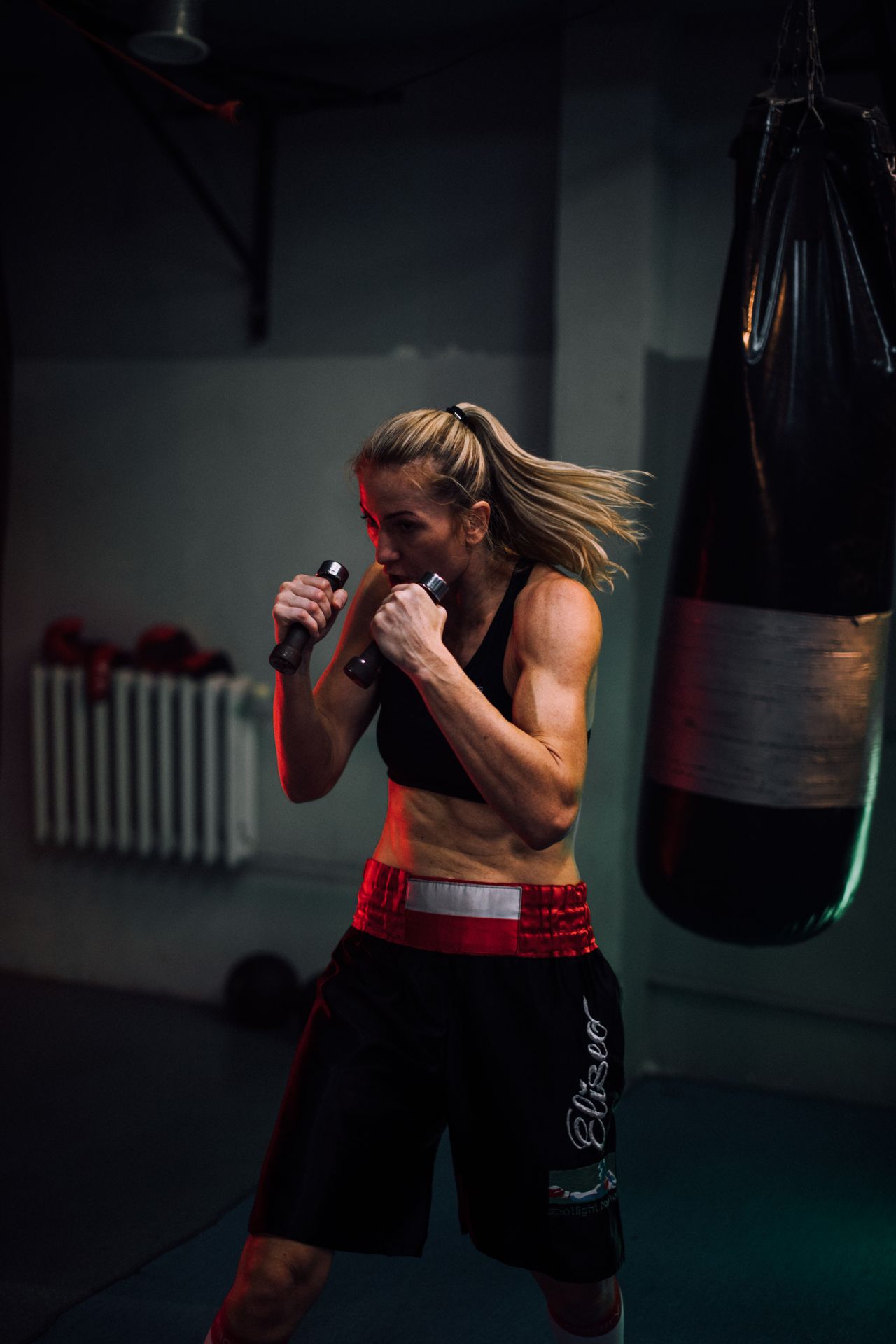
Women’s boxing and boxing fitness also have room to grow in Dallas because the city’s gym market is large and varied. As more women enter competitive boxing and more adults look for authentic training, gyms can build wider communities without abandoning the sport’s competitive core. That combination is important. A healthy modern boxing city needs both participation and high-level development.
Dallas boxing is strongest when seen as part of a regional engine. It connects professional events, Texas amateur development, Mexican American boxing culture, and a large urban gym network. It may not have the singular myth of an old East Coast fight town, but it has something equally valuable: size, infrastructure, audience, and access. In modern boxing, that gives Dallas real weight.