MMA in Trinidad and Tobago sits at the intersection of Caribbean striking culture, small-island athletic networks, and a developing federation structure that is trying to give the sport a more formal national pathway. It is not yet a country with a deep UFC pipeline or a large export record, but it has something important for a smaller MMA market: organized activity, national-level ambition, and enough combat-sports interest to support a recognizable local scene.
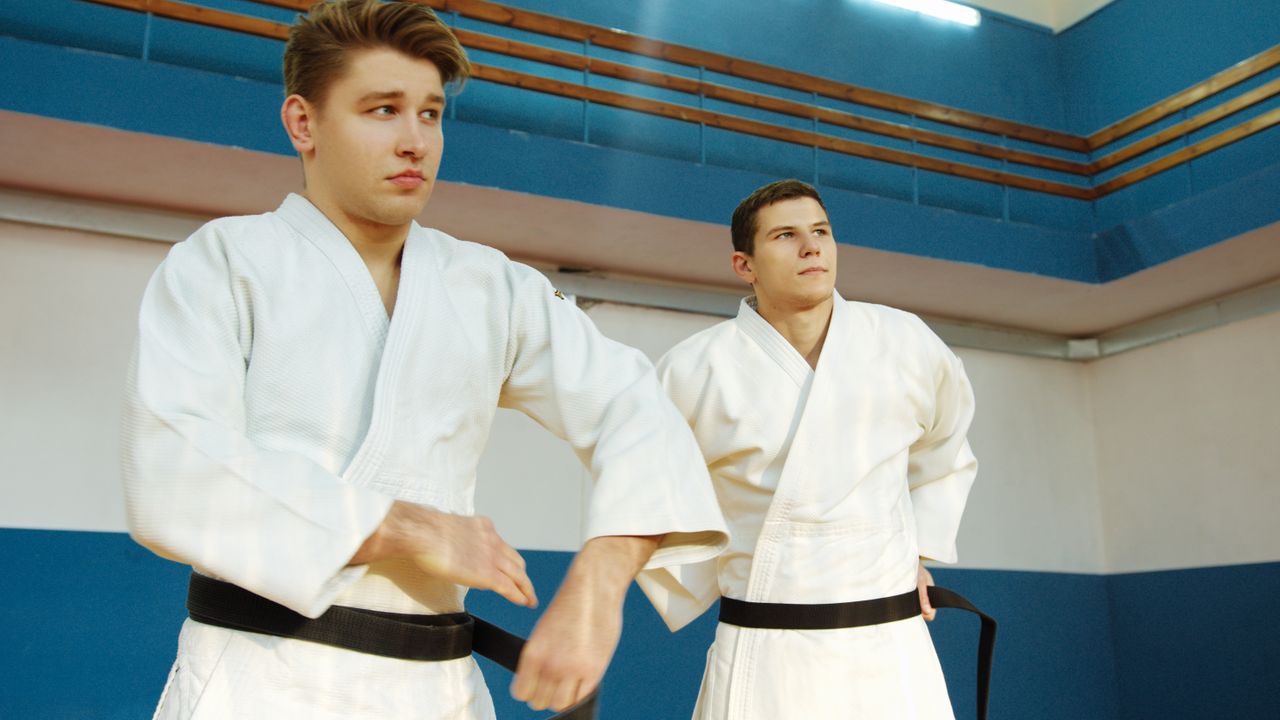
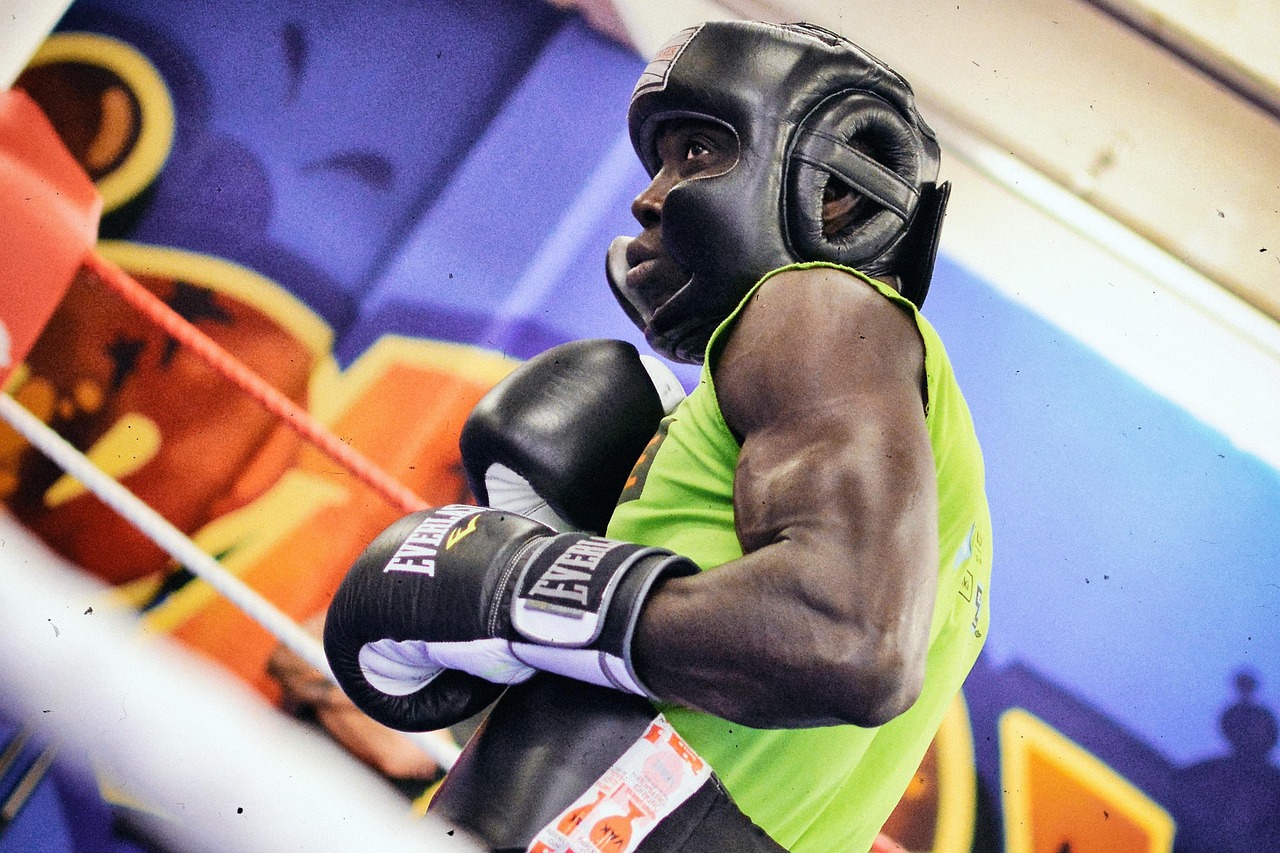
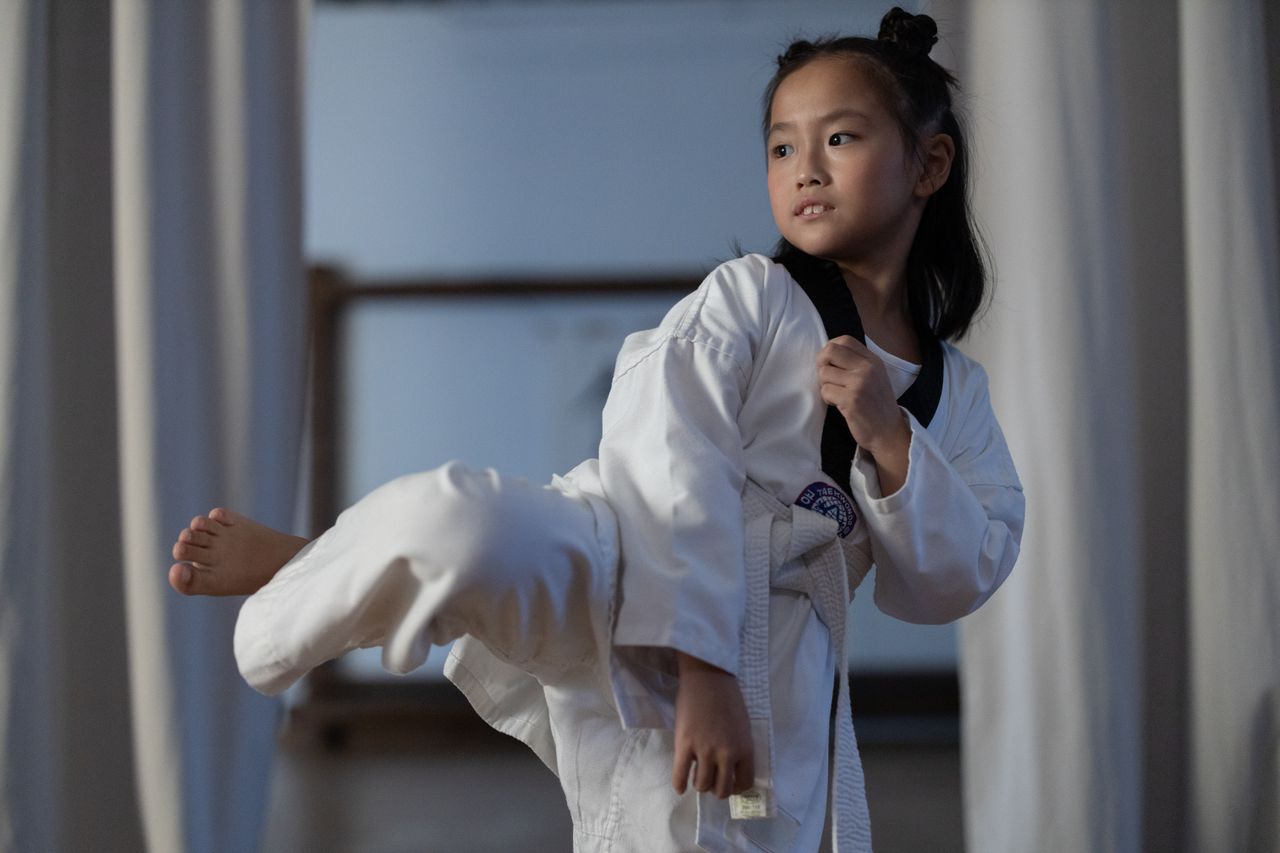
The country’s combat-sports base has traditionally been more visible through boxing, kickboxing-style training, karate, taekwondo, and practical self-defense gyms than through a large professional MMA system. That matters because Trinidad and Tobago’s MMA identity is not built from one dominant collegiate wrestling culture or one famous jiu-jitsu lineage. It is more of a hybrid island scene, where athletes often come into MMA through striking, general martial arts, or fitness-based combat training before learning the full range of cage skills. For many local fighters, the challenge is not toughness or athleticism. It is access: regular amateur shows, experienced referees and judges, high-level grappling rooms, medical standards, and enough regional opponents to build meaningful records.
That is why the emergence of organized national competition is significant. The Trinidad and Tobago Mixed Martial Arts Federation scheduled a National Invitational MMA Championship for January 31, 2026 at Woodbrook Youth Facility, a marker that the country is trying to move beyond scattered gym activity into a more structured amateur and national-development model. In a small MMA market, events like that matter because they create visible stakes. They allow fighters to represent gyms, build local names, and begin forming the competitive habits required for international amateur tournaments or regional professional cards.
The fighter history attached to Trinidad and Tobago is unusual because its best-known MMA name is not a modern prospect but a pioneer-era heavyweight. Gary “Big Daddy” Goodridge is listed among fighters from Trinidad and Tobago and remains one of the most recognizable combat-sports figures connected to the country. Goodridge’s career ran through the rougher, less specialized era of MMA and kickboxing, including major stages such as the UFC, PRIDE, and K-1. His identity is complicated because he is also strongly associated with Canada and with the international heavyweight circuit, but for Trinidad and Tobago, he still represents the kind of early global visibility that many Caribbean MMA scenes never had.
The modern local picture is more developmental. Tapology’s listing of Trinidad and Tobago fighters includes a mixture of amateurs, inactive names, and lightly documented competitors, which reflects a scene still building depth rather than one already producing a steady stream of internationally ranked professionals. That should not be read as failure. For a country of Trinidad and Tobago’s size, the path into MMA will almost always depend on regional connectivity: Caribbean events, North American training opportunities, diaspora athletes, and occasional partnerships with larger organizations.
The most promising sign is that Trinidad and Tobago appears to be forming a more coherent national MMA identity. Local championship events, federation activity, and regional branding give young fighters something to aim at besides isolated gym sparring. The next step is consistency: regular amateur cards, clear rules, recognized officials, and enough cross-border competition to test athletes against fighters from the wider Caribbean, Latin America, and North America.
Trinidad and Tobago’s MMA future is probably not built on becoming a volume producer overnight. It is more likely to grow as a compact Caribbean fight scene with strong striking instincts, federation-led amateur development, and a handful of athletes who use regional circuits as a bridge to larger promotions. That kind of growth is slower, but it is also realistic. The country already has the cultural ingredients for combat sports. MMA’s job is to organize those ingredients into a pathway.