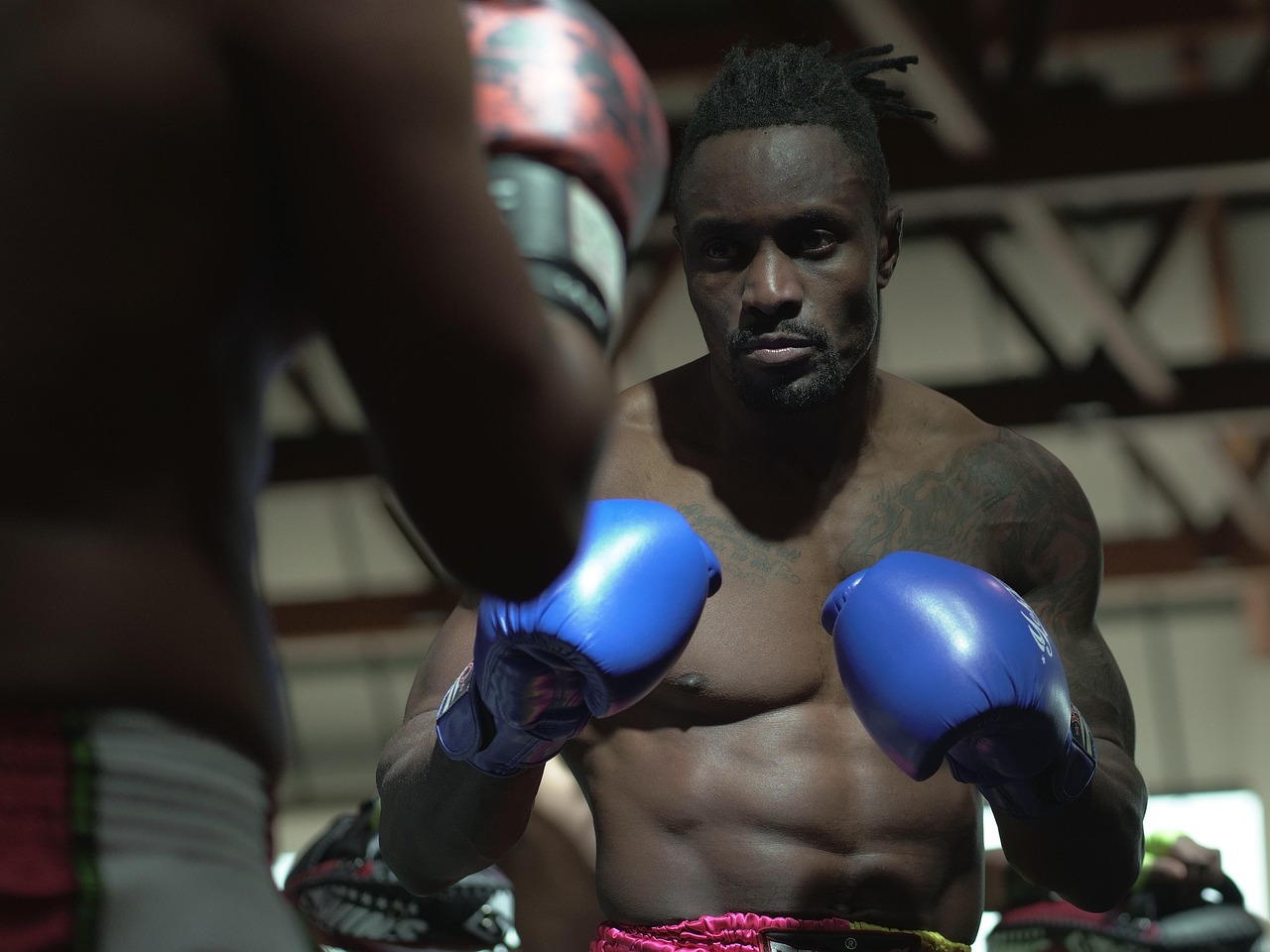
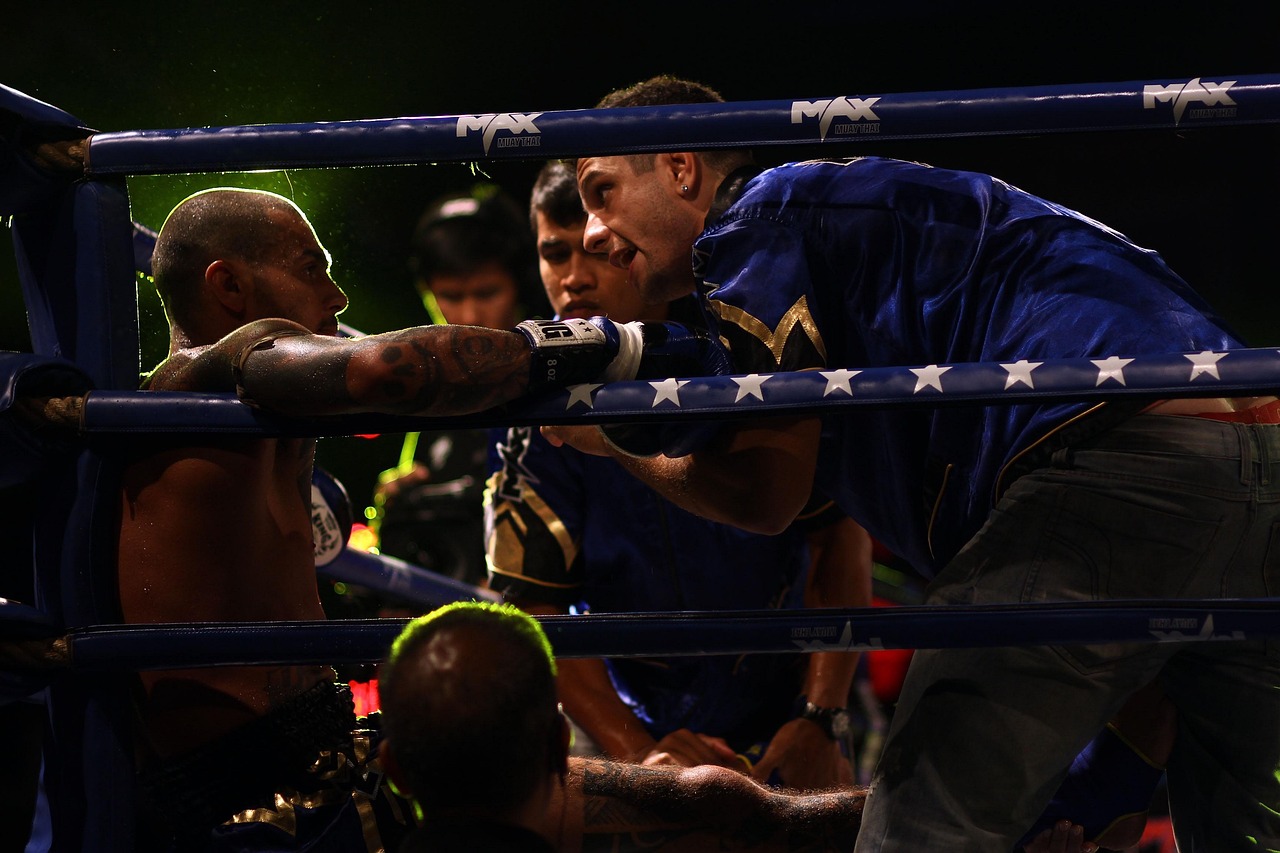
San Jose’s MMA identity is defined less by local fight-night volume than by the training room. In most cities, MMA culture begins with regional shows, small gyms, and a few fighters who break through. San Jose is different because American Kickboxing Academy gives the city one of the clearest elite-team identities in the sport. AKA has been a Bay Area martial arts institution since 1985, founded and still run by Javier Mendez, with instruction built across kickboxing, boxing, Muay Thai, wrestling, jiu-jitsu, and MMA.
That matters because San Jose became one of the places where modern MMA’s team model was sharpened. The city is not just a place where fighters train; it is a place where fighters have gone to be rebuilt, disciplined, and tested in a room full of championship-level pressure. AKA’s reputation came from blending hard kickboxing fundamentals with wrestling, positional control, and a professional camp culture. In the 2000s and 2010s, that formula helped define the style of several elite fighters: heavy pressure, durable defense, strong clinch work, grinding wrestling, and enough striking structure to survive long fights against world-class opposition.
The names connected to AKA give San Jose an unusually large footprint for a single-city MMA profile. Cain Velasquez, Daniel Cormier, Luke Rockhold, Josh Thomson, Jon Fitch, Khabib Nurmagomedov, and Islam Makhachev are all part of the broader AKA story, whether as homegrown representatives, long-term team members, or major fighters whose championship development became tied to the San Jose room. AKA’s own fighter listings continue to reflect a deep professional roster rather than a nostalgia-driven legacy page.
The combat-sports roots in San Jose are also shaped by the Bay Area’s broader athletic profile. Northern California has long had boxing gyms, wrestling rooms, jiu-jitsu academies, and immigrant striking traditions, but AKA consolidated those pieces into something more obviously MMA-specific. The city’s scene is therefore less about one local style and more about a professional integration point. Fighters from different backgrounds could come in with wrestling, kickboxing, sambo, jiu-jitsu, or regional MMA experience and be forced into a complete system.
San Jose’s local fan identity has always been connected to the Bay Area’s larger sports culture. It is not Las Vegas, where the event business is the identity. It is not Southern California, where dozens of gyms blur into a massive regional training economy. San Jose’s role is more concentrated: a serious, technical, fighter-producing market anchored by one of the most important gyms in American MMA.
That concentration is both the strength and limitation of the city’s MMA profile. Without AKA, San Jose would still have martial arts activity, but it would not carry the same global significance. With AKA, it becomes a city that belongs in any serious discussion of American MMA infrastructure. The future of MMA in San Jose depends on whether that elite-room culture continues to produce new professional generations rather than merely preserving the memory of past champions. The foundation is still there: coaching authority, name recognition, a deep roster, and a style of training that has already proven it can create world champions.