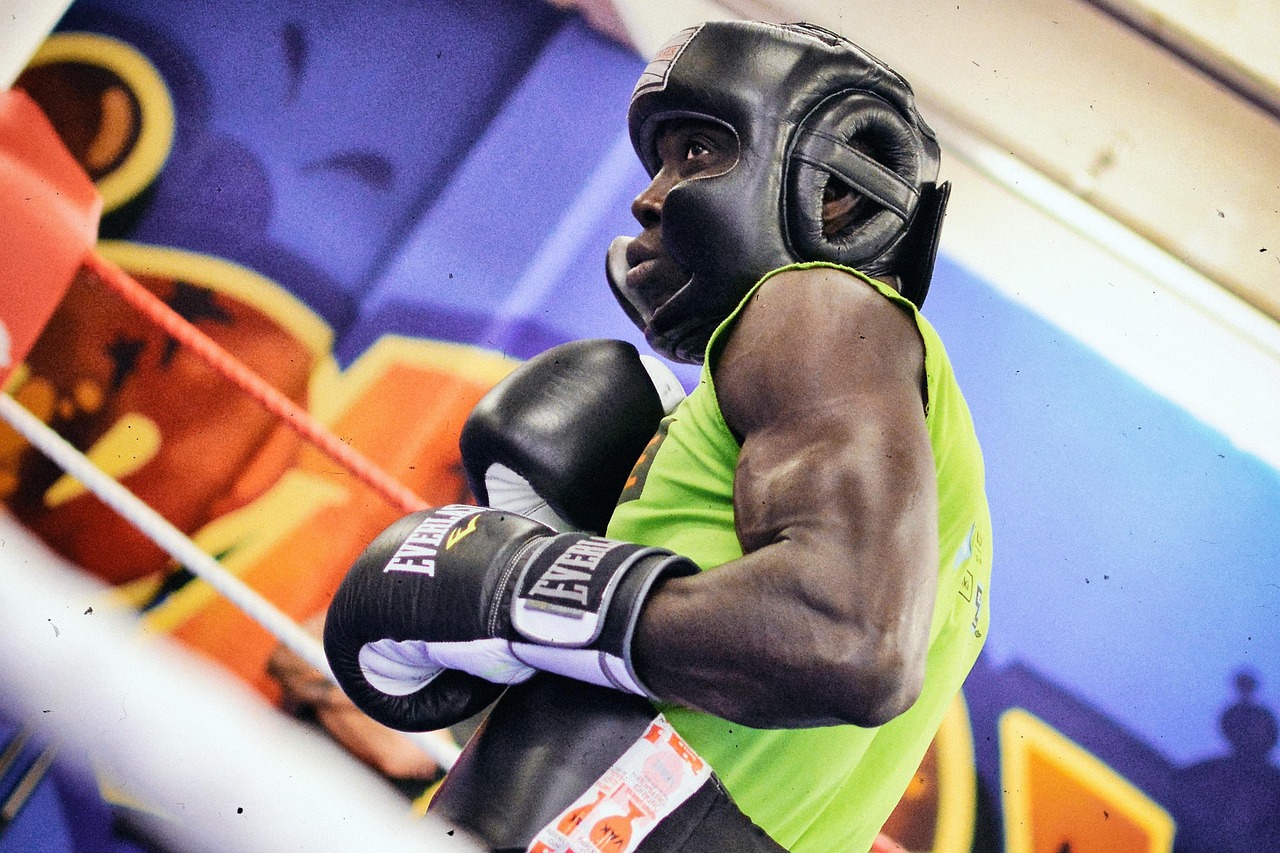
Boxing in Mongolia has a different shape than boxing in countries where the professional prizefight business dominates the sport. Mongolia’s boxing identity begins in the amateur ring, where national-team selection, disciplined coaching, Asian competition, and Olympic performance carry more weight than celebrity matchmaking or commercial fight promotion. It is a country where boxing sits close to wrestling, judo, and other combat sports in the national imagination: tough, technically demanding, physically unforgiving, and tied to international recognition.
That identity matters because Mongolia is not one of the world’s largest boxing markets. It does not have the weekly professional fight calendar of Mexico, the United States, Japan, or the United Kingdom. It does not have a massive pay-per-view economy or a deep domestic professional circuit. What it does have is a serious amateur tradition, a history of producing Olympic medalists, a national respect for combat athletes, and a growing connection between Ulaanbaatar’s training culture and the wider Asian boxing scene.
For search readers looking for boxing in Mongolia, the most important thing to understand is that the sport is not just a fitness activity or a niche club pastime. Mongolia has produced Olympic boxing champions, world-level amateurs, and professional fighters who have carried the country’s flag into major arenas abroad. The country’s boxing reputation is built less on volume and more on efficiency: a relatively small population, a demanding sporting culture, and a record of fighters who have been able to compete with larger boxing nations on the Olympic stage.
Why Mongolia Became a Serious Amateur Boxing Nation
Mongolia’s boxing development fits naturally into the country’s broader success in combat sports. Wrestling has deep cultural roots in Mongolia, while judo, boxing, and shooting have been among the country’s most important Olympic sports. That broader combat-sports base gives boxing a receptive environment. The physical traits valued in Mongolian sport, balance, toughness, grip strength, endurance, patience, and competitive discipline, transfer well into the boxing gym.
The country’s amateur boxing structure developed through sports schools, clubs, national-team programs, and competition pathways centered heavily on Ulaanbaatar. Like many countries influenced by socialist-era sport systems, Mongolia built much of its boxing credibility through organized amateur development rather than a purely commercial professional scene. Fighters were shaped through structured training, tournament experience, national championships, and international events across Asia and the Olympic cycle.
That system is important because Olympic boxing rewards a different set of habits than professional boxing. A fighter must score cleanly, manage distance, start quickly, adapt over short rounds, and handle multiple bouts in a tournament setting. Mongolia’s best boxers have often shown those traits: compact technique, sharp timing, disciplined footwork, and the ability to compete under national-team pressure.
Mongolia’s geography also affects its boxing culture. Ulaanbaatar is the clear center of the country’s sporting infrastructure, but Mongolian athletes often come from environments where toughness is not an aesthetic. Cold weather, long distances, and a sporting culture that prizes endurance and resilience all contribute to how boxing is understood. The Mongolian boxing gym is not just a place for recreational exercise. At its serious end, it is part of a national sports pipeline.
The Olympic Medal Standard
Mongolia’s boxing reputation is anchored by its Olympic results. The defining moment came at the 2008 Beijing Olympics, when Enkhbatyn Badar-Uugan won gold at bantamweight. That victory was historic not just for Mongolian boxing but for Mongolian sport. It gave the country an Olympic boxing champion and placed Mongolia directly into the conversation about serious amateur boxing nations.
Badar-Uugan’s gold mattered because it validated the entire development structure. A country does not win Olympic boxing gold by accident. It requires coaching, international exposure, tactical maturity, and a fighter capable of surviving the pressure of a global tournament. For Mongolia, his achievement became a reference point for every boxer who followed. It proved that a Mongolian fighter could do more than qualify, compete bravely, or earn respect. A Mongolian fighter could stand at the top of the Olympic podium.
The same 2008 Olympic cycle also produced Pürevdorjiin Serdamba, who won silver at light flyweight. That combination, gold and silver in the same Games, remains one of the strongest markers of Mongolia’s boxing peak. It showed that Mongolia’s success was not isolated to one exceptional athlete. The country had multiple fighters capable of reaching medal level in the world’s most demanding amateur tournament.
The medal line continued after Beijing. Tugstsogt Nyambayar won Olympic silver in London in 2012, giving Mongolia another world-class amateur who later became one of the country’s most visible professional boxers. Dorjnyambuugiin Otgondalai added bronze at lightweight in Rio in 2016, reinforcing Mongolia’s reputation as a country that can produce compact, durable, tournament-tested fighters.
The larger point is that Mongolia’s boxing history should not be judged by the size of its professional industry. It should be judged by how often its best fighters have been able to enter elite amateur competition and leave with medals. In that context, Mongolia has earned a place as one of Asia’s respected boxing nations.
Fighters Who Define Mongolian Boxing
Enkhbatyn Badar-Uugan remains the central figure in Mongolian boxing history. His Olympic gold medal gave the country its clearest boxing landmark. He represented the ideal version of Mongolia’s amateur system: technically sound, mentally composed, and able to perform at the highest level when national expectation was at its heaviest. For a country where Olympic medals carry major public meaning, Badar-Uugan became more than a boxer. He became proof of concept.
Pürevdorjiin Serdamba belongs in the same conversation because his silver medal in Beijing helped turn 2008 into Mongolia’s greatest Olympic boxing moment. Light flyweight boxing demands speed, accuracy, and concentration. Serdamba’s success showed that Mongolian boxing could compete not only through toughness but through precision.
Tugstsogt Nyambayar brought a different kind of visibility. Known internationally as “King Tug,” he became one of the most recognizable Mongolian boxers outside the amateur system. His Olympic silver in 2012 established him as an elite amateur, but his later professional career gave Mongolian boxing a bridge into the global prizefighting market. Fighting professionally in the United States, he showed how a Mongolian boxer could move from national-team tournaments into the business of televised professional boxing.
Dorjnyambuugiin Otgondalai is another key name because his Rio bronze came in the lightweight division, a category with deep international talent. His success added continuity to Mongolia’s Olympic boxing story after the Beijing and London medals. For Mongolian boxing, that continuity matters. A single great athlete can be remembered as an exception. Repeated Olympic medals across different years suggest a functioning boxing culture.
Professional boxing also has an essential Mongolian figure in Lakva Sim, born Dugarbaataryn Lkhagva. He became Mongolia’s first professional world champion and won world titles in two weight classes, giving the country a rare achievement in the professional ranks. His career stands apart from the Olympic medalists because he succeeded in a different boxing economy: title fights, international travel, promoters, sanctioning bodies, and longer professional bouts. If Badar-Uugan is the face of Mongolia’s Olympic summit, Lakva Sim is the country’s most important professional boxing pioneer.
Together, these fighters show why Mongolia’s boxing identity cannot be reduced to one lane. It is primarily an amateur and Olympic boxing nation, but it has also produced professionals who reached significant international levels.
Ulaanbaatar as the Center of Mongolian Boxing
Most of Mongolia’s serious boxing infrastructure is concentrated in Ulaanbaatar. That is where national sports institutions, major clubs, stronger coaching networks, and international competition access are most likely to be found. For young fighters, Ulaanbaatar functions as both a training center and a proving ground. It is where ambitious boxers can be tested against stronger sparring, better coaching, and the standards required for national selection.
The city’s role is practical. Mongolia’s population is spread across a vast territory, and elite sports development usually requires concentration. Boxing needs qualified coaches, regular sparring partners, competition schedules, medical support, and access to tournament pathways. Those things are easier to build in the capital than in smaller communities.
That does not mean boxing is only an urban sport in Mongolia. Many Mongolian athletes come from physically demanding backgrounds outside the capital, and the country’s broader sports culture is not limited to Ulaanbaatar. But the serious boxing ladder generally pulls talent toward the capital. A fighter may begin elsewhere, but advancement usually means entering stronger clubs, national programs, or selection events linked to the country’s central boxing structure.
Ulaanbaatar’s importance has grown further as Mongolia has hosted major boxing events. Hosting regional competitions matters because it gives local fighters exposure, gives coaches a chance to measure their athletes against international styles, and places Mongolia inside the administrative and competitive map of Asian boxing. For a country that already has Olympic credibility, hosting events helps reinforce that Mongolia is not only producing fighters but participating in the organization of the sport.
Boxing Gyms, Clubs, and the Training Culture
Boxing gyms in Mongolia are best understood through the country’s amateur sports culture. The serious gyms are not simply places to hit bags for fitness, although recreational boxing and boxing-based training have grown in many countries, including Mongolia. The deeper identity of Mongolian boxing is built around coaching, sparring, discipline, and selection.
A typical development path depends on the availability of clubs, coaches, and competitions. Young boxers need technical basics first: stance, guard, straight punching, footwork, balance, defense, and conditioning. From there, the better fighters need tournament experience. Amateur boxing teaches urgency because rounds are short and scoring is immediate. It also teaches control because wild aggression can be punished by cleaner opponents.
Mongolian boxing culture tends to reward fighters who can combine pressure with composure. The country’s best boxers have not been simple brawlers. Olympic boxing does not allow that. They have had to be disciplined enough to win exchanges, manage distance, and avoid giving away points. That technical culture is one reason Mongolia has been competitive internationally despite not having the population base of larger boxing powers.
The gym culture also benefits from Mongolia’s respect for combat sports. Boxing is not isolated from other disciplines. Wrestlers, judoka, and other combat athletes help create a national sporting environment where physical confrontation is familiar and respected. A young boxer in Mongolia is developing inside a country that understands the value of hard training and individual combat.
For recreational athletes, boxing gyms offer fitness, self-defense skills, coordination, and conditioning. But the heart of Mongolian boxing remains competitive. The country’s reputation was not built by boutique boxing classes. It was built by fighters who could travel, enter tournaments, and win.
Mongolia’s Place in Asian Boxing
Mongolia’s boxing scene exists inside a demanding Asian landscape. Asia includes some of the strongest amateur boxing nations in the world, with countries such as Kazakhstan, Uzbekistan, India, China, Thailand, the Philippines, and Japan all contributing different kinds of boxing strength. Some are Olympic powers. Some are professional boxing markets. Some are combat-sports crossover nations. Mongolia has to compete in that crowded environment.
That competition has helped sharpen Mongolian boxing. Regional tournaments expose Mongolian fighters to a wide range of styles: the technical schooling of Central Asia, the speed and rhythm of Southeast Asian fighters, the discipline of East Asian programs, and the depth of larger national teams. For Mongolian boxers, Asian competition is not a soft pathway to the Olympics. It is often one of the hardest parts of the journey.
Mongolia’s best results show that it can survive that environment. The country has won medals at the Olympic level, produced Asian-level contenders, and built a reputation for serious preparation. When Mongolian fighters appear in international competition, they are usually treated as credible opponents, especially in the lighter and middle weight classes where the country has had notable success.
The Asian context also matters for professional boxing. Mongolian professionals often need to build careers outside Mongolia, fighting in places such as Japan, South Korea, China, the United States, or other international markets. The domestic professional scene is not large enough to support a deep career on its own. That means the best Mongolian professionals must become boxing travelers. They need adaptability, management, visas, promotional relationships, and the willingness to fight away from home.
That reality makes the achievements of fighters like Lakva Sim and Tugstsogt Nyambayar more significant. They did not simply become good fighters inside Mongolia. They crossed into the larger boxing economy and forced international audiences to recognize Mongolian boxing.
Professional Boxing and the Mongolian Challenge
Professional boxing in Mongolia faces structural challenges. The country has produced elite fighters, but it does not yet have a large domestic professional market. There are fewer major fight nights, fewer commercial sponsors, fewer international television opportunities, and fewer local title pathways than in established boxing economies. That means a Mongolian boxer with world-level professional ambition usually has to leave home for key parts of his career.
This creates a difficult split. The amateur system can develop talent, but the professional system requires a different network. A fighter needs management, promotion, matchmaking, training camps, and access to rankings. Those elements are not always available domestically. The result is that Mongolia’s top professional prospects often become international projects.
That path can be rewarding but unforgiving. A Mongolian fighter abroad may have to take difficult fights earlier than a protected prospect from a larger market. He may have to fight on the road, adjust to foreign gyms, communicate across language barriers, and build a fan base far from home. At the same time, the uniqueness of a Mongolian boxer can be an advantage. A serious Mongolian contender carries a national identity that stands out in the global fight game.
The professional challenge for Mongolia is not talent. The country has already shown that it can produce world-class fighters. The challenge is infrastructure. More domestic shows, stronger promotional links, better regional matchmaking, and clearer professional development could help future fighters make the transition from amateur success to professional opportunity without losing momentum.
Women’s Boxing and the Next Layer of Growth
Women’s boxing is an important part of Mongolia’s future in the sport. Like many countries with strong amateur traditions, Mongolia has an opportunity to grow women’s boxing through national-team development, regional tournaments, and youth participation. Women’s boxing has become more visible globally through the Olympics, world championships, and professional stars, and countries with disciplined amateur systems are well placed to benefit.
For Mongolia, the growth of women’s boxing would fit the country’s broader combat-sports profile. Mongolian women have already had international success in sports such as judo, wrestling, shooting, and 3×3 basketball. Boxing can become part of that larger story if clubs, coaches, and national programs continue to create opportunities for female athletes.
The key is depth. A country may produce one standout boxer through individual talent, but sustained success requires a pipeline. That means girls need access to gyms, coaching, sparring, competitions, and visible role models. The more normalized women’s boxing becomes inside Mongolia’s sporting culture, the more likely the country is to produce fighters who can compete in Asian and Olympic tournaments.
Women’s boxing also gives Mongolia another route to international visibility. In Olympic boxing, medal opportunities are distributed across men’s and women’s divisions. Countries that invest seriously in both sides of the sport give themselves more chances to compete. For a nation where Olympic medals carry enormous value, that matters.
What Makes Mongolian Boxing Distinct
Mongolian boxing is distinct because it combines small-market limitations with big-stage results. It is not a country with endless professional cards or a massive boxing media industry. Instead, it is a country where the sport’s credibility comes from a handful of highly meaningful achievements: Olympic medals, Asian competition, world-level amateurs, and a few professionals who broke through internationally.
The style associated with Mongolian boxing is often compact and disciplined. The country’s best fighters tend to be sturdy, well-conditioned, and mentally tough. They are not usually products of a flashy commercial boxing culture. They are products of tournament pressure, national-team discipline, and a sporting environment that values combat excellence.
Mongolia’s boxing identity is also shaped by pride. When a Mongolian fighter succeeds internationally, the achievement carries national significance because the country is competing against nations with much larger populations and deeper sports budgets. That underdog dynamic gives Mongolian boxing a particular intensity. Every Olympic medal, every world title challenge, every major international win matters.
The country’s boxing future will depend on how well it can connect its amateur strength to professional opportunity. Mongolia already has the hard part: proof that its fighters can compete. The next step is building more pathways so talented boxers can stay active, develop commercially, and choose between Olympic and professional careers without losing support.
The Future of Boxing in Mongolia
The future of boxing in Mongolia should be understood as a question of conversion. Can the country convert its Olympic and amateur credibility into a deeper boxing ecosystem? Can it develop more women’s boxing talent? Can it host more regional events? Can it create enough professional activity to keep fighters from having to build their entire careers abroad? Can it turn boxing fitness growth into competitive participation?
The foundation is already there. Mongolia has Olympic history. It has national heroes. It has a central boxing hub in Ulaanbaatar. It has produced both amateur medalists and professional champions. It sits inside a competitive Asian boxing region that constantly tests its fighters. Those are not minor assets.
The next phase will require depth. Mongolia does not need to become a giant boxing market to remain relevant. It needs to keep producing technically prepared amateurs, give young fighters enough competition, support women’s development, and create better bridges to professional boxing. If it does those things, it can continue to punch above its demographic weight.
Mongolia’s boxing story is ultimately about seriousness. The country has never needed a huge fight industry to make itself visible. It has used the Olympic ring, regional tournaments, and the careers of exceptional fighters to build a reputation. That reputation is specific: Mongolia is an amateur boxing nation with professional flashes, a combat-sports country where boxing has earned its place, and a small market that has repeatedly shown it can produce fighters capable of standing on the world stage.