Munich’s boxing identity is split between history, event culture, and the broader German fight scene. It is not Germany’s only boxing city, and it does not have the same single-neighborhood mythology that surrounds places like Philadelphia or the East End of London. Munich’s boxing profile is more layered. It carries the memory of Olympic boxing, the legacy of German professional fight nights, the influence of European heavyweight eras, and a modern training culture that sits inside one of Germany’s most organized sporting cities.
The 1972 Olympic Games give Munich a permanent place in boxing history. Olympic boxing in Munich brought together major amateur talents from across the world and helped mark the rise of several national systems that would shape the sport for decades. The Games were especially important for Cuba’s boxing emergence, with Teófilo Stevenson becoming one of the defining amateur heavyweights of all time. That Olympic connection does not make Munich a boxing capital by itself, but it gives the city a historic place in the sport’s international archive.
German professional boxing has often been built around promotion, television, and arena presentation rather than one single city. Hamburg, Berlin, Cologne, Düsseldorf, Stuttgart, Munich, and other cities have all had roles at different moments. Munich fits into that landscape as a major event city with the infrastructure to host serious fight nights. Its arenas, hotels, transport links, and corporate base make it a natural location for professional cards, especially when German boxing has a marketable star or when European promoters need a polished metropolitan setting.
The Klitschko era shaped how many international fans understood boxing in Germany, even though Wladimir and Vitali Klitschko were Ukrainian rather than German. Their long heavyweight presence was deeply connected to the German-speaking fight market, television audiences, and arena culture. Munich belongs to that wider environment. German boxing in the 2000s and early 2010s often felt technical, structured, and commercially organized. The big nights were carefully produced, the crowds were attentive, and the heavyweight division had a strong Central and Eastern European accent.
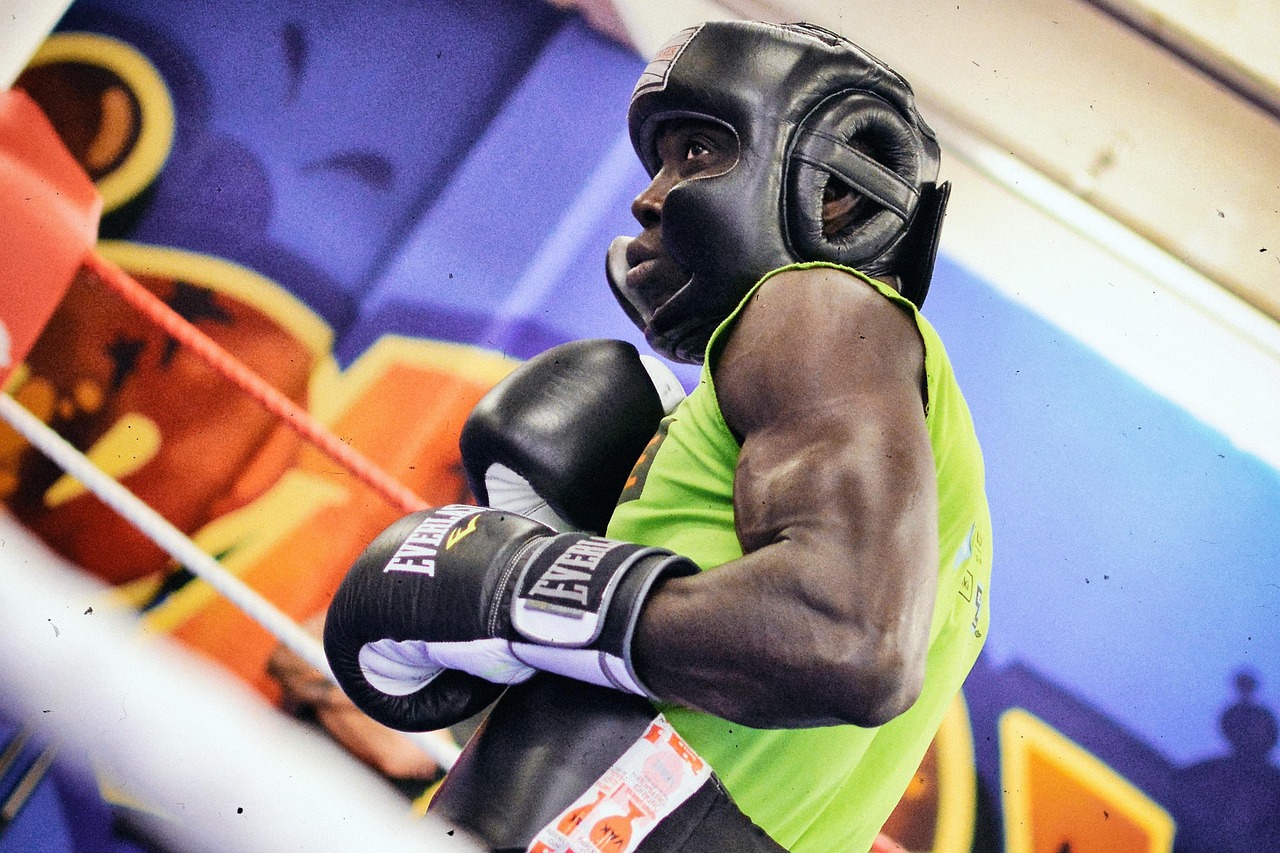
Munich’s own local boxing scene is more about clubs and training than a single famous lineage of world champions. The city has boxing gyms, martial arts schools, university sports participation, and fitness boxing options. As in many affluent European cities, boxing serves multiple audiences. Some train for competition. Some use boxing for conditioning. Some arrive through kickboxing, MMA, or self-defense. The sport lives inside a broad combat-sports ecosystem where boxing technique remains essential even when athletes do not become pure boxers.
Amateur boxing in Munich connects into the Bavarian and German federation structure. That means clubs matter. Local development depends on coaches, disciplined training rooms, regional tournaments, and the ability to move athletes from recreational participation into sanctioned competition. Germany has a long amateur boxing tradition, but its recent international profile has not always matched the strongest Olympic systems from Cuba, Uzbekistan, Kazakhstan, Russia, Britain, or Ireland. For Munich boxers, the pathway is real, but it is demanding.
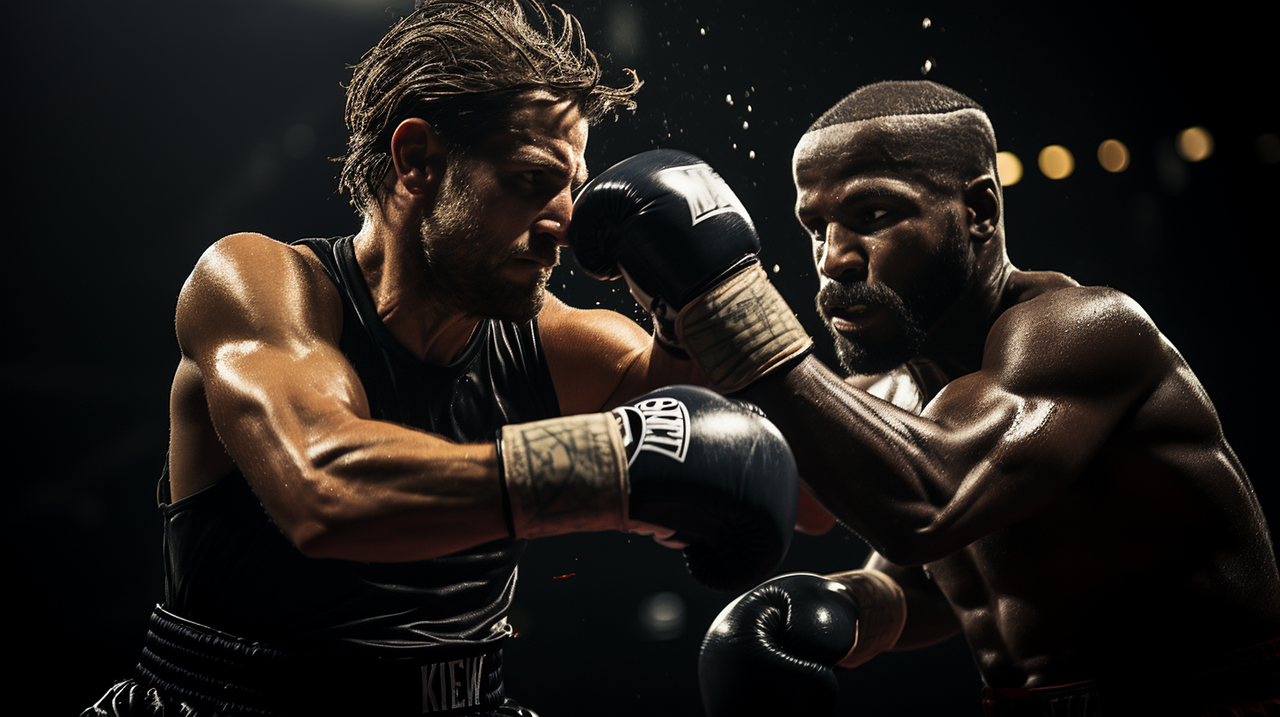
Professional boxing in Munich is shaped by opportunity. When Germany has major stars, cities like Munich can host high-visibility shows. When the national professional scene is quieter, boxing retreats toward smaller halls, club shows, and regional promotions. That cycle is common across Europe. The city’s infrastructure is strong enough to support major boxing, but boxing’s presence depends on promoters, broadcast interest, and the available fighters who can sell tickets.
Munich’s boxing future may come through a combination of old and new models. Traditional amateur clubs will remain important, but the city’s fitness economy and combat-sports crossover culture can bring new people into the sport. Women’s boxing, youth boxing, and boxing-for-fitness programs all help broaden the base. The challenge is converting participation into competitive depth.
Munich is not a rough-edged boxing city in the romantic sense. Its identity is more organized, European, and event-capable. Boxing there is part Olympic memory, part German professional infrastructure, part club sport, and part modern urban training culture. That gives Munich a quieter but durable place in the boxing world: not always at the center of the story, but always capable of hosting, developing, and sustaining the sport.