Michigan boxing is Detroit boxing first. The state has produced and shaped fighters from multiple cities, including Flint, Grand Rapids, Ann Arbor, and Lansing, but Detroit gives Michigan its global boxing identity. The city’s boxing reputation is built on heavyweight history, Kronk Gym, Emanuel Steward, Thomas Hearns, the blue-collar aura of the Motor City, and a training culture that became recognizable far outside Michigan.
Joe Louis is the starting point. Born in Alabama and raised in Detroit, Louis became one of the most important heavyweight champions in sports history. His career gave Detroit a boxing hero whose meaning extended beyond the ring. Louis was a champion during a period when heavyweight boxing carried enormous national and racial symbolism, and Detroit became part of his identity as he rose into American sporting legend. For Michigan, Louis remains the bridge between local fight culture and global sports history.
Then came Kronk. No boxing institution defines Michigan more clearly than Detroit’s Kronk Gym. Under Emanuel Steward, Kronk became one of the most famous gyms in the world, producing champions, contenders, and a distinct style associated with conditioning, aggression, sharp punching, and professional discipline. Thomas “Hitman” Hearns became the great Kronk symbol: tall, dangerous, electric, and tied forever to Detroit’s image as a city that produced serious fighters. Steward’s broader legacy reached well beyond Michigan, as he trained and guided numerous world champions and became one of boxing’s most respected trainers.
Detroit’s list does not stop with Hearns. Hilmer Kenty, Milton McCrory, Jimmy Paul, Duane Thomas, Tony Harrison, and others helped make the city a recurring presence in championship boxing. James Toney, born in Grand Rapids and associated with Michigan, added another layer to the state’s reputation: defensive craft, toughness, and old-school ring intelligence. Claressa Shields, from Flint, expanded Michigan boxing into a new era. Her Olympic success and professional titles made her one of the central figures in modern women’s boxing and gave the state a champion whose importance goes far beyond local pride.
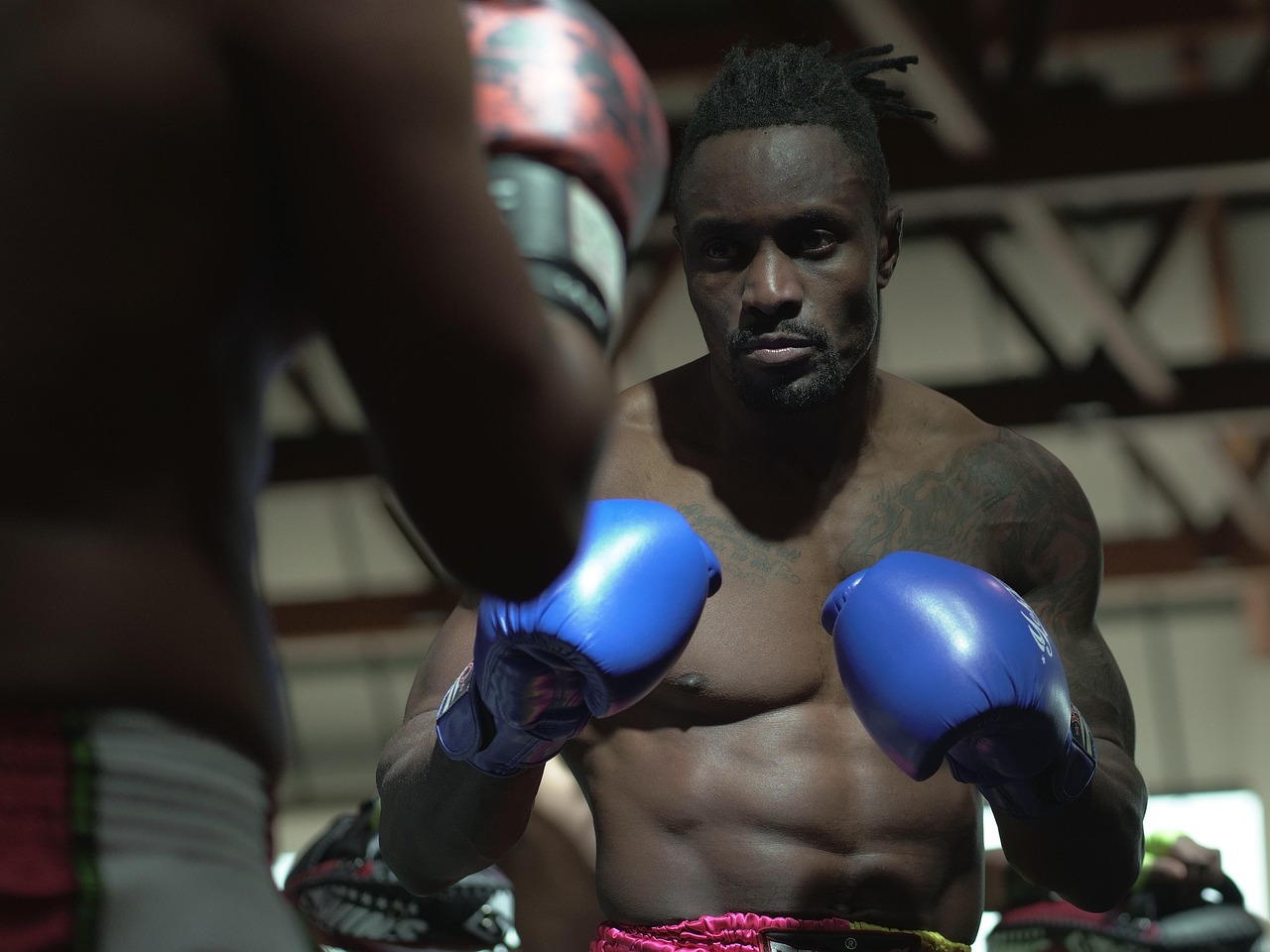
Michigan boxing is not just famous names. It is gym culture. The state’s best boxing identity comes from the idea that fighters are built in hard rooms, through repetition, sparring, roadwork, and the daily seriousness of coaches who expect discipline. Detroit’s boxing gyms have historically been tied to recreation centers, neighborhoods, youth programs, and the possibility of turning athletic talent into structure. The Kronk model made that visible: a local gym became an international brand because the fighters and trainer behind it kept winning.
The reopening of Kronk in Detroit in 2025 was symbolically important because it tied the city’s current boxing landscape back to its most famous institution. Axios reported that the reopened gym is located at the former Brewster-Wheeler Recreation Center, a historic site where Joe Louis once trained, and that the new operation aims to rebuild a quality amateur program for local, national, and international competition.
Michigan’s current boxing scene has to balance legacy with renewal. Detroit will always carry the memory of Louis, Hearns, Steward, and Kronk. Flint has Shields. Grand Rapids and other cities have contributed their own fighters. The challenge is whether the state can turn nostalgia into a pipeline. If amateur development, youth coaching, and local shows remain healthy, Michigan can continue to be more than a museum of great boxing names. It can remain one of America’s most serious fight states.