Togo’s MMA scene is small, but it is not invisible. The country is best understood as a grassroots West African market where mixed martial arts exists through individual gyms, regional competition, and continental amateur opportunities rather than through major professional names. For a country of Togo’s size, that is a realistic stage of development. The question is not whether Togo has a large MMA industry. It does not. The better question is whether the country has enough combat-sports activity to begin forming a pathway.
The clearest signs are at the amateur and regional level. Togo was listed among the countries involved when MMA appeared as a demonstration sport at the 2023 African Games in Accra, Ghana, with competition held in March 2024. That matters because continental events give smaller MMA nations a reason to organize teams, prepare athletes, and connect with a broader African structure.
Domestically, the scene appears centered around modest gym infrastructure rather than a large promotion circuit. Pitbull Gym in Lomé is listed as a mixed martial arts gym, with recorded association to local fighter activity. For a small scene, a gym like that is important because it can become a gathering point for athletes who might otherwise train separately in boxing, judo, kickboxing, karate, taekwondo, or general fitness spaces.
Togo also has a limited but traceable fighter footprint. Databases list Togolese MMA fighters such as Cynthia “The Queen” Jibidar and several lightly documented names with small or undeveloped records. That kind of record base should be read carefully. It does not prove a deep professional scene, but it does show that Togolese athletes have entered the MMA system enough to be recorded internationally. In smaller countries, that first layer of visibility is often where the sport begins.
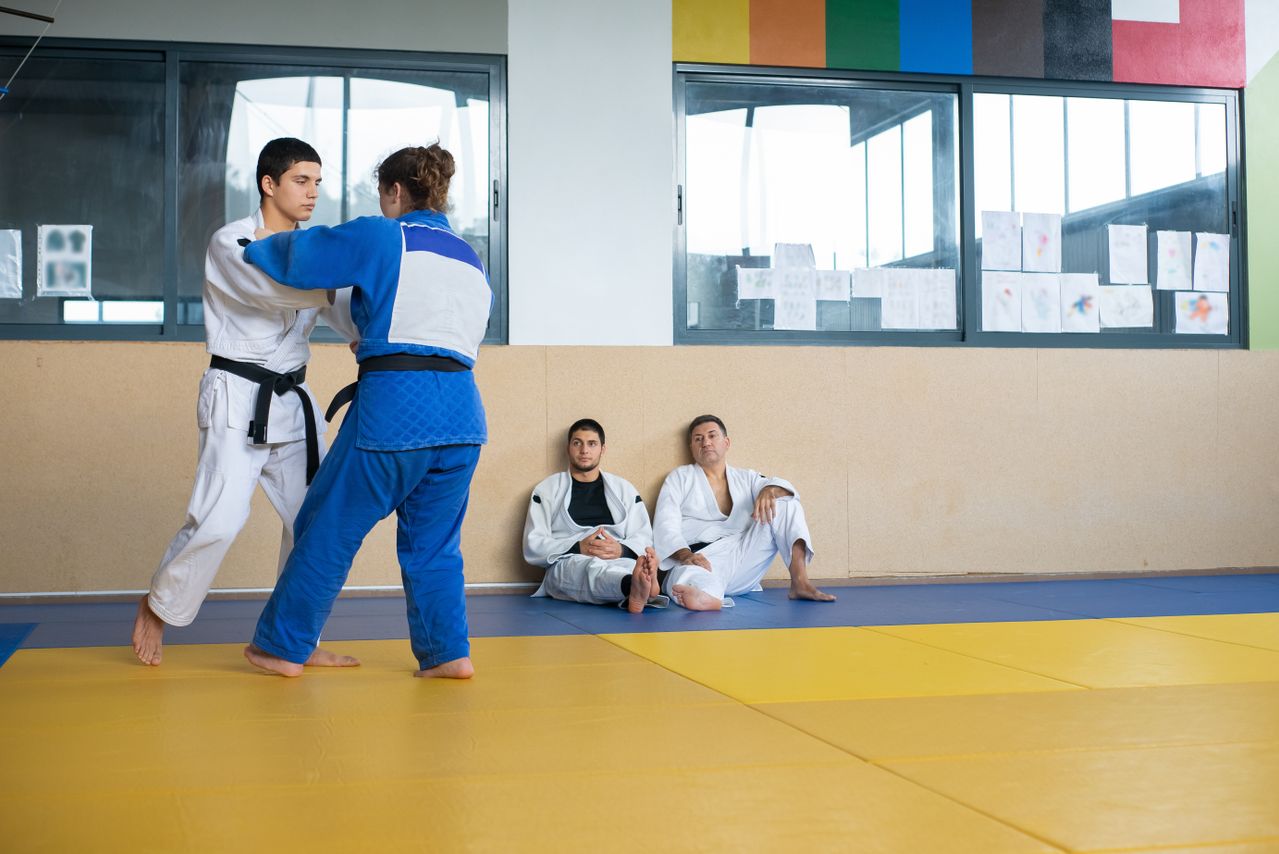
The country’s broader combat-sports foundation likely matters more than its current MMA record book. In West Africa, boxing, judo, taekwondo, karate, and traditional strength sports often provide the first competitive experience for athletes who later become interested in MMA. Togo’s challenge is converting those separate disciplines into complete fight training. A boxer needs takedown defense. A judoka needs striking defense. A kickboxer needs grappling rounds. A strong athlete needs cage craft, rules familiarity, and live MMA sparring under trained supervision.
Regional geography could help Togo. Lomé is close to Ghana and Benin, and Ghana’s role as host of the African Games MMA demonstration gives Togolese athletes a nearby reference point for continental competition. For small West African MMA countries, neighboring markets are essential. A fighter may train locally but need Ghana, Nigeria, Ivory Coast, or other regional circuits to gain experience.
Togo’s MMA future will probably be slow and practical. It will depend on whether gyms can develop more complete training programs, whether amateur events become more consistent, and whether athletes can afford travel to regional competitions. The country is not yet known for producing major global MMA names, but that does not make the scene meaningless. It makes it early-stage. Togo’s MMA identity is the identity of a small national program trying to connect local combat-sports athletes to a wider African MMA calendar.