Tampa Bay’s MMA identity is not built around one single superstar or one legendary arena. It is built around training rooms. The region has the feel of a practical fight market: Brazilian jiu-jitsu academies, MMA gyms, American Top Team affiliates, veterans, prospects, and fighters moving through Florida’s larger combat-sports ecosystem. In a state where South Florida gets much of the attention because of American Top Team’s Coconut Creek headquarters, Tampa Bay has carved out its own identity as a serious grappling and MMA training area.
The strongest local name in that identity is Rob Kahn and the Gracie Tampa lineage. Gracie Tampa identifies Kahn as Royce Gracie’s first black belt, an MMA veteran, a former Golden Gloves boxer, and a coach who has produced UFC fighters and ADCC competitors. That is the core of Tampa Bay’s MMA character: jiu-jitsu with a fighting application, not just recreational grappling. The region’s better gyms tend to blur the line between BJJ, no-gi grappling, striking, self-defense, and cage preparation.
Gracie Tampa South reflects that broader combat-sports model. Its program offerings include Brazilian jiu-jitsu and MMA classes, with training positioned for both competition and fitness. This matters because Tampa Bay’s MMA scene is not only about professional fighters. It also depends on the large middle layer of serious hobbyists, amateur competitors, grapplers, coaches, and regional fighters who keep gyms active even when no UFC star is attached to a local card.
American Top Team also gives the area a recognizable MMA brand. American Top Team Tampa describes itself as an elite martial arts school with adult taekwondo, jiu-jitsu, and MMA training, and Tapology lists fighters associated with the Tampa affiliate. The broader ATT network is headquartered elsewhere in Florida, but its statewide influence helps shape Tampa Bay’s fight culture. Florida fighters often move between cities, gyms, and affiliations, and Tampa benefits from being part of that larger combat-sports corridor.
Tampa Bay’s fighter identity is more distributed than concentrated. Some markets have a clean list of hometown UFC champions. Tampa is different. It functions more as a training and development area, with fighters, coaches, BJJ black belts, and regional competitors moving through the ecosystem. Billy Quarantillo, for example, has publicly tied himself to Tampa through his coaching and gym work, listing himself as owner and coach of Gracie PAC while identifying with both Buffalo and Tampa. That kind of mixed identity is common in Florida MMA: fighters may be born elsewhere, train in one city, fight out of another, and build their coaching life in a third.
The event side is becoming more visible. Tampa has hosted major combat-sports attention through UFC and PFL activity, including PFL Tampa at Benchmark International Arena, announced as the site of Cris Cyborg’s retirement fight against Ketlen Vieira on August 22, 2026. UFC Tampa has also served as a meaningful stage for veteran fighters and nationally visible matchups. These events do not make Tampa the same kind of MMA capital as Las Vegas, but they do show that the city can support high-level fight cards when promotions look beyond the usual major markets.
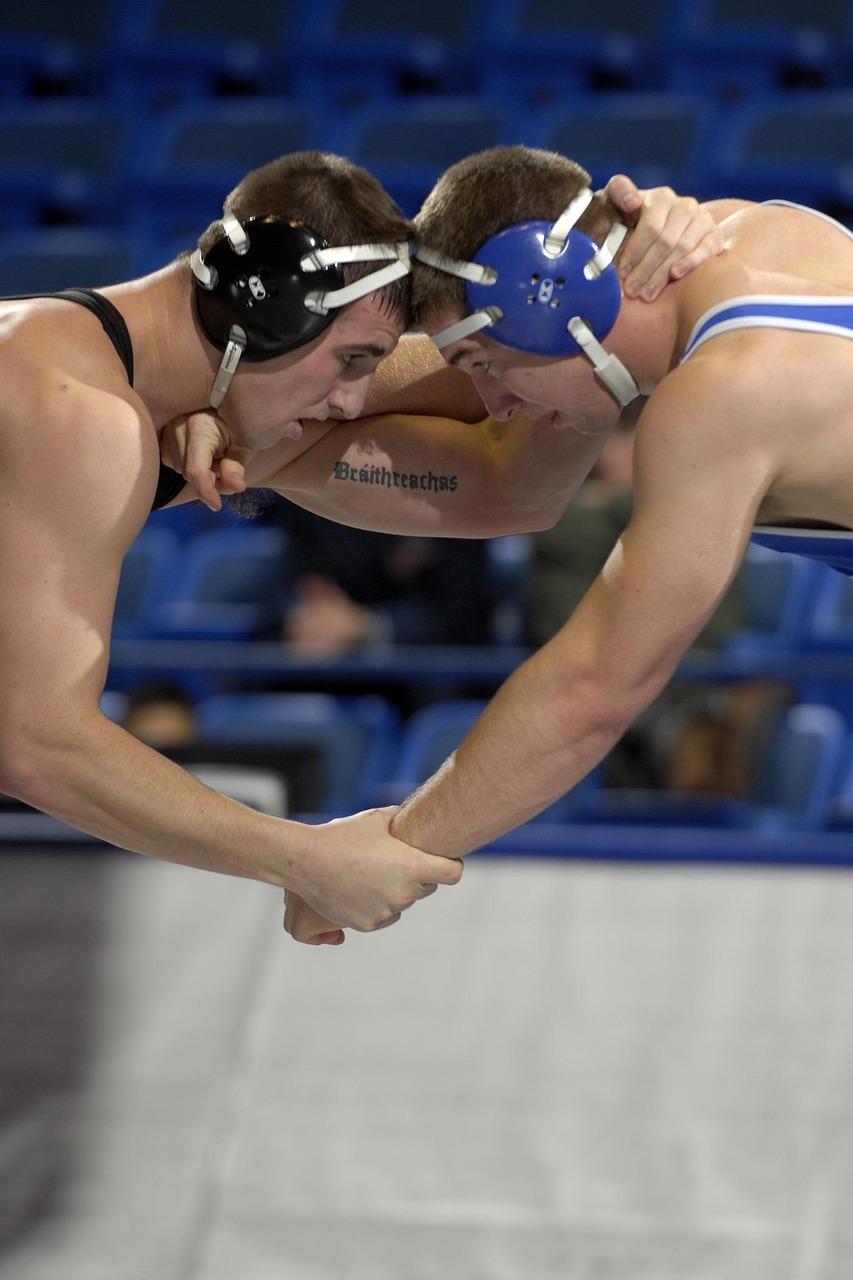
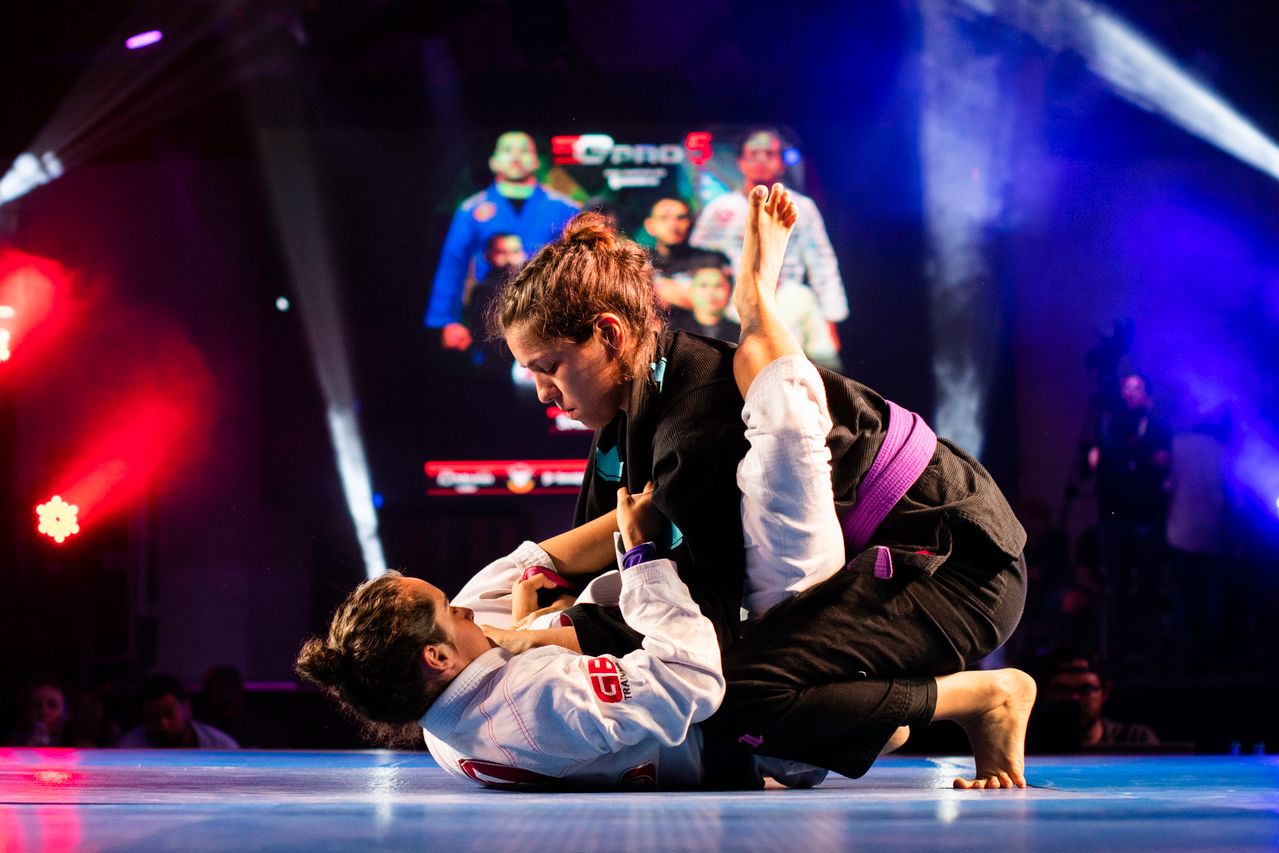
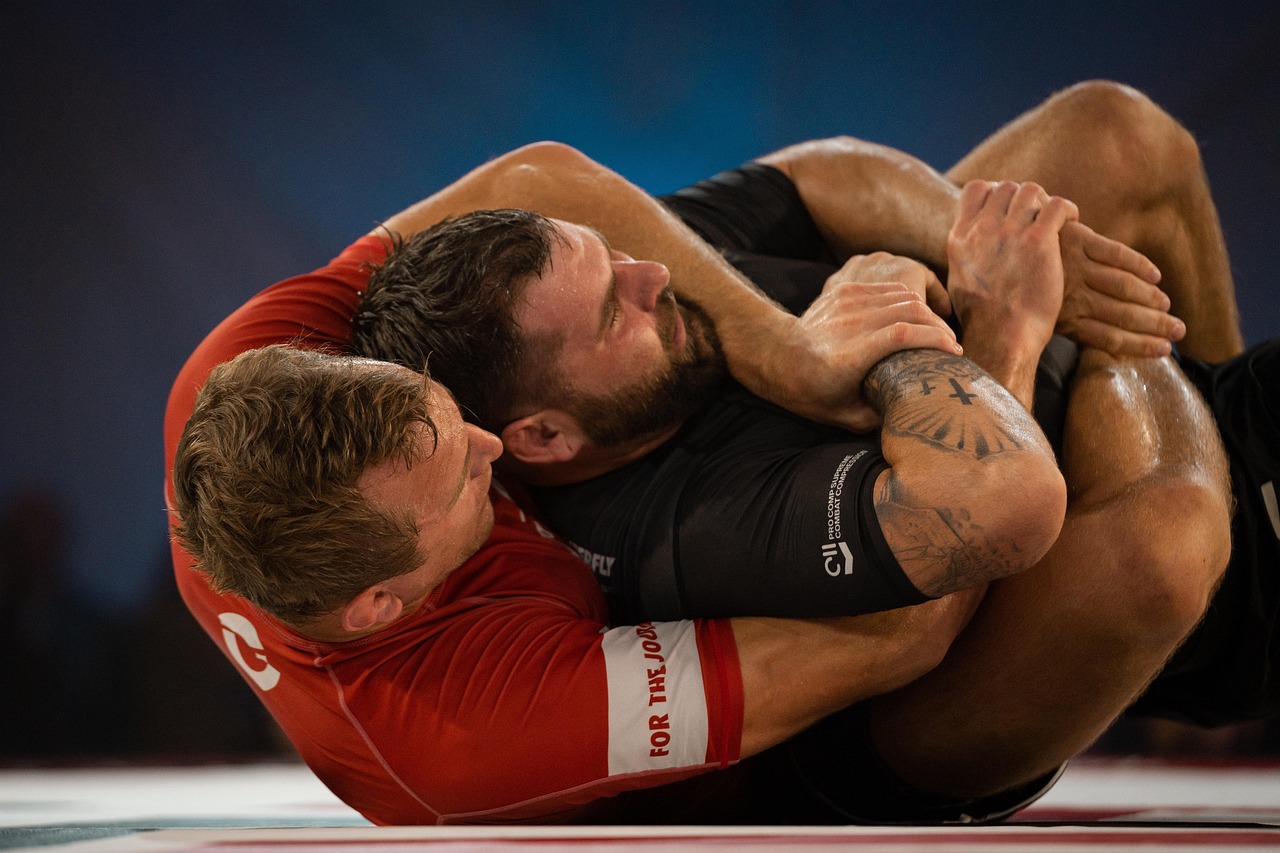
The region’s foundation is especially strong in grappling. Tampa Bay has enough BJJ and no-gi culture to support both competitive athletes and MMA fighters who need functional ground skills. That gives local MMA a certain technical base. Fighters from the area are less likely to be raw brawlers only; they are usually exposed early to positional grappling, submission defense, wrestling adaptation, and the specific demands of cage work.
The challenge for Tampa Bay is visibility. The region sits inside a crowded Florida MMA map that includes Miami, Orlando, Coconut Creek, Fort Lauderdale, and Jacksonville. To stand out, Tampa Bay does not need to become the biggest fight city in the state. Its stronger path is to keep developing as a durable gym-and-grappling market, one where athletes can train seriously, fight regionally, and connect to the broader Florida professional pipeline.
MMA in Tampa Bay is best described as infrastructure-rich rather than celebrity-driven. It is a place of mats, coaches, affiliates, and regional competition. That makes it less flashy than some MMA destinations, but also more stable. Scenes built around one star can fade quickly. Scenes built around gyms tend to last.