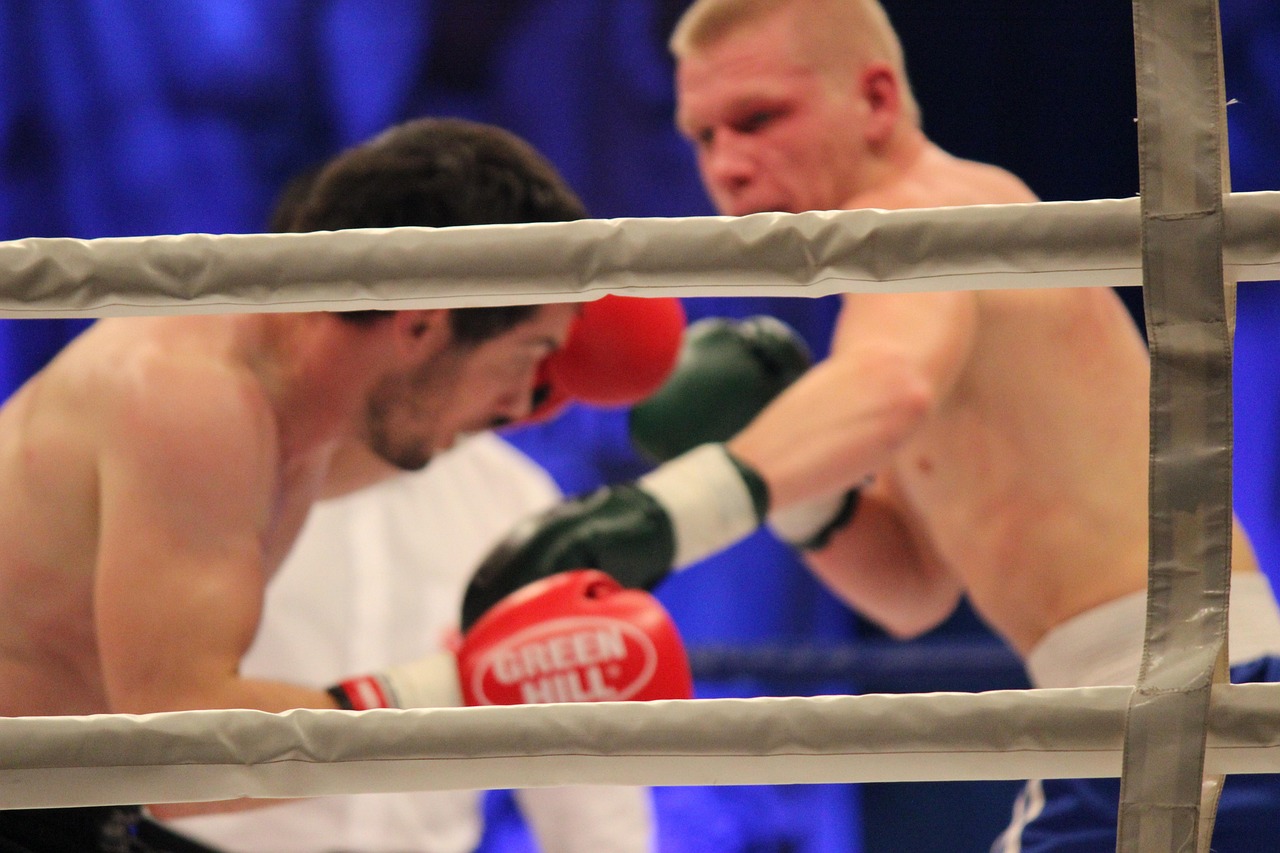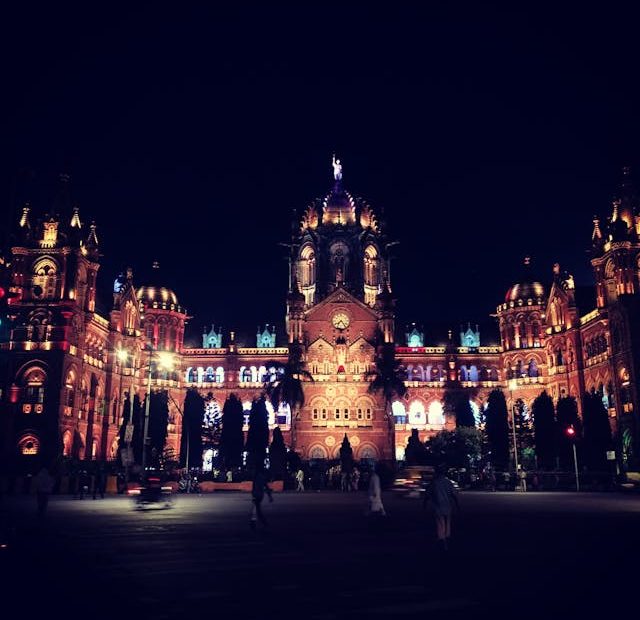
Mumbai boxing lives inside a crowded sporting city where cricket dominates public attention, but where combat sports have always found space through discipline, local clubs, police and services structures, school competitions, and ambitious young fighters looking for a path upward. The city is not India’s only boxing center, and it is not as closely associated with the country’s Olympic boxing story as places like Haryana, Manipur, Assam, or the services programs. Its identity is different. Mumbai is an urban boxing market: dense, aspirational, fitness-aware, commercially active, and connected to Maharashtra’s wider amateur structure.
Boxing in Mumbai has to compete for oxygen. Cricket takes the headlines. Football, kabaddi, badminton, martial arts, running, and fitness culture all claim space. But that competition has also shaped the way boxing survives. In Mumbai, boxing is not only a competitive sport. It is also a training discipline, a youth-development tool, a fitness product, and a route into wider Indian combat-sports culture. The same city that produces corporate gyms and boutique fitness studios also sustains smaller boxing rooms where young athletes learn footwork, defense, conditioning, and the hard routine of amateur preparation.
The Maharashtra boxing ecosystem gives Mumbai its competitive frame. District associations, state-level tournaments, school and youth categories, and affiliated clubs create the ladder that matters most for developing boxers. The pathway often starts locally, moves through district and state events, and then points toward national championships, Sports Authority of India structures, or the broader Indian amateur system. Mumbai’s fighters are part of that Maharashtra pipeline, even when the city itself is better known as a commercial and media capital than a national boxing factory.
Famous Indian boxing names are not usually Mumbai-first stories. Mary Kom’s legacy is tied to Manipur and Indian women’s boxing. Vijender Singh’s rise came from Haryana and the services-amateur tradition before his professional career. Lovlina Borgohain, Nikhat Zareen, Amit Panghal, and other major figures show how geographically broad Indian boxing has become. Mumbai’s importance is less about having one defining world champion and more about being a major urban node in the national fight ecosystem. It supplies athletes, audiences, facilities, sponsors, and visibility.
The city’s boxing gyms and clubs reflect that layered identity. Some operate as serious amateur-development spaces. Others lean toward boxing fitness, self-defense, or mixed martial arts crossover. This blend is important because Mumbai’s sports market is highly commercial. Boxing appeals not only to competitive teenagers but also to working adults, actors, models, students, and fitness-minded residents who want conditioning without necessarily entering the ring. That can sometimes blur the line between boxing as sport and boxing as workout, but it also keeps the discipline visible.
For competitive boxing, Mumbai’s challenge is depth. Producing elite boxers requires more than enthusiasm. It requires experienced coaches, sparring partners, tournament access, medical support, travel funding, and administrative stability. Indian boxing has periodically dealt with governance and selection issues at the national level, and state associations can also become complicated spaces. For a Mumbai boxer, talent is only one part of the equation. Navigation matters: choosing the right coach, entering the right competitions, and getting enough bouts against strong opposition.
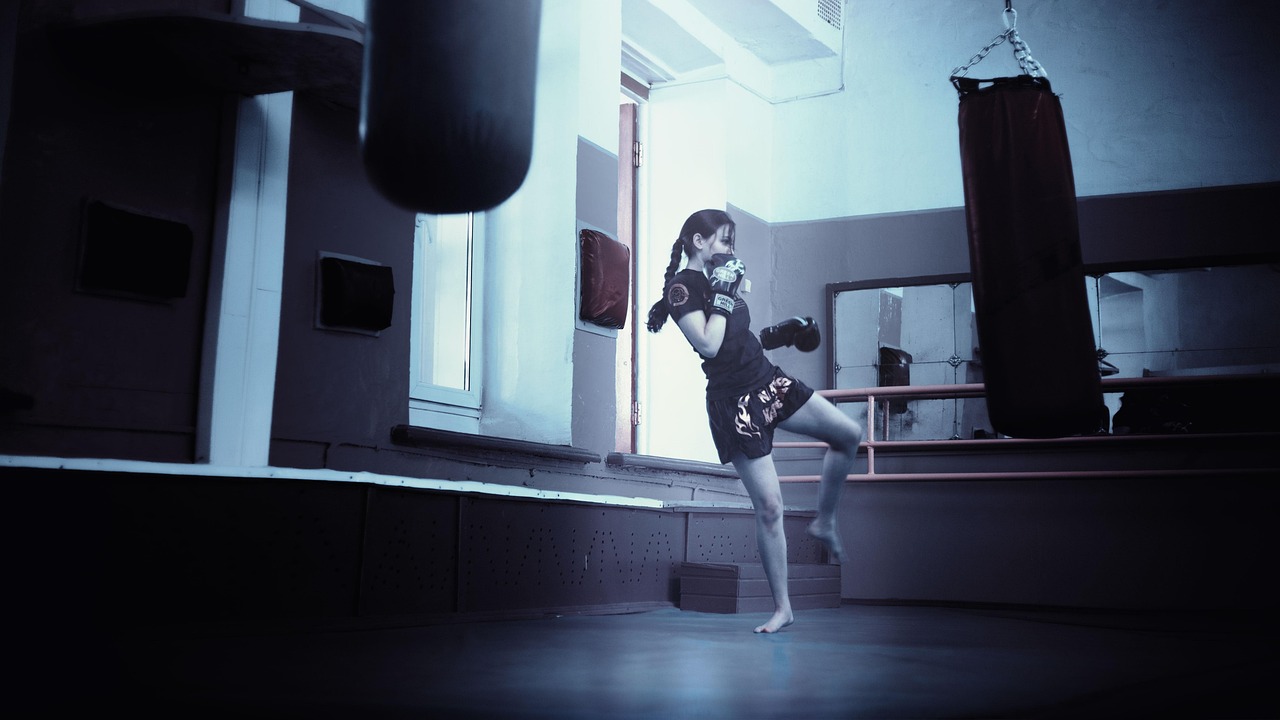
Women’s boxing is one of the clearest growth areas. India’s international success through Mary Kom, Lovlina Borgohain, Nikhat Zareen, and other women has changed the imagination of the sport. In a city like Mumbai, where media, education, and commercial fitness intersect, that matters. Boxing can be presented not only as a male combat tradition but as a serious athletic path for girls and women. State youth competitions and school-level development can help turn that visibility into participation.
Mumbai’s boxing future depends on whether the city can connect its scale to a stronger competitive pipeline. The audience is there. The fitness interest is there. The clubs and state framework are there. What separates a boxing city from a city with boxing classes is the ability to produce hardened amateurs and credible professionals over time. Mumbai has the raw ingredients: density, ambition, money, media, and access. Its boxing identity is still being built, but it is being built in one of the most powerful urban sports markets in India.